Can an aquarium be too clean for cherry shrimp? Learn five signs your tank may be too sterile and why biofilm, algae films, and biological maturity are important for healthy Neocaridina shrimp colonies.
Aquascape Oasis Team
Planted Tank Specialists
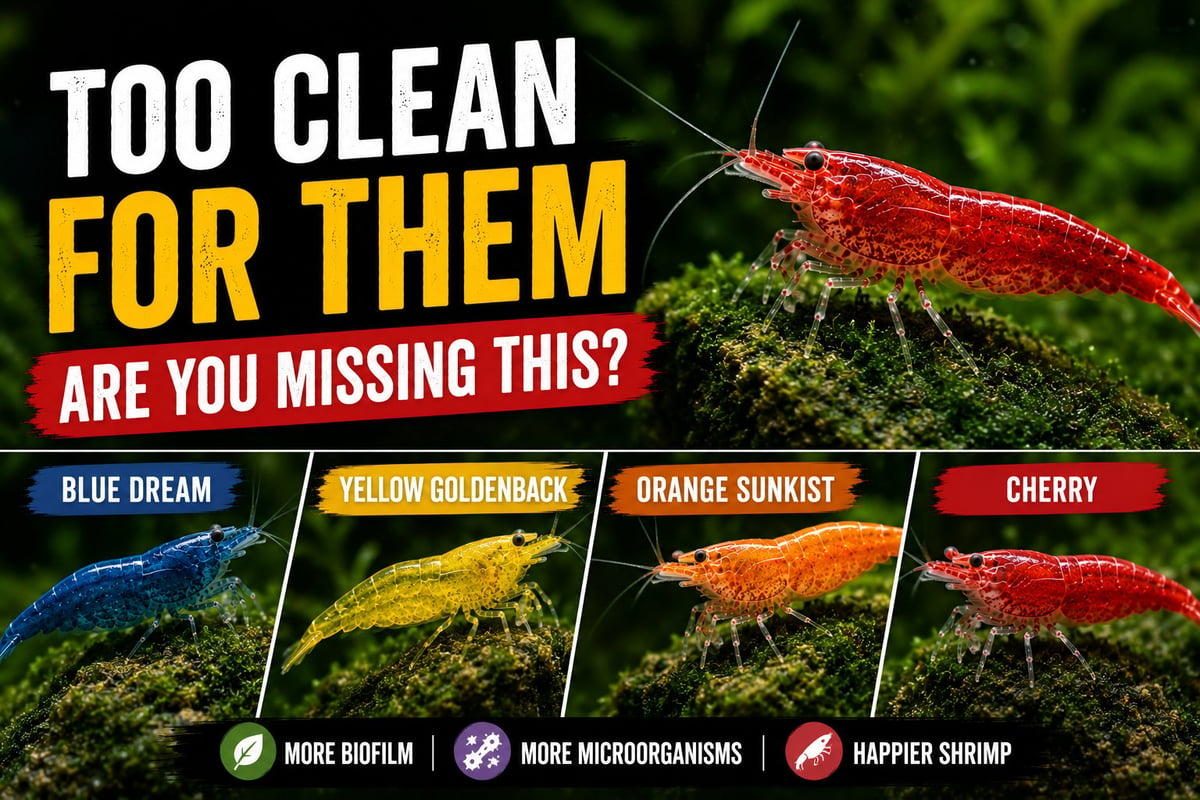
A mature shrimp aquarium with Blue Dream, Yellow Goldenback, Orange Sunkist, and Cherry Shrimp grazing on established surfaces rich in biofilm and microorganisms.
Want to build a shrimp tank with healthier colonies, richer biofilm, and a more stable ecosystem? Download our free checklist.
Send Me the ChecklistAbsolutely. Cherry shrimp are natural grazers. They spend much of their day feeding on biofilm, algae films, microorganisms, decaying plant matter, and tiny organic particles.
A perfectly spotless aquarium may actually remove many of the things shrimp rely on. This doesn't mean you should stop maintaining your tank. It simply means that shrimp often prefer mature ecosystems rather than sterile ones.
The goal isn't perfection. The goal is balance.
Building a balanced shrimp tank takes more than luck. Grab the free stability checklist →
Many beginners panic the moment they see algae. Out comes the algae scraper. Then the toothbrush. Then the cleaning session. While major algae outbreaks can certainly become problematic, a thin film of algae isn't automatically bad.
In fact, shrimp often love it. Cherry shrimp spend hours grazing on:
Many experienced shrimp keepers intentionally allow small amounts of natural growth to remain. Why? Because it creates grazing opportunities. If every surface in your aquarium is spotless, your shrimp may simply have less natural food available.
A little natural growth often isn't the enemy. Sometimes it's part of a healthy shrimp ecosystem.
Learn the key factors for a thriving shrimp ecosystem
Shrimp are always eating. That's normal. However, there is a difference between normal grazing and desperately searching for food.
Healthy shrimp tanks often have abundant microscopic food sources. Shrimp move from moss to rocks, wood to leaves, plant surfaces — grazing throughout the day.
In overly sterile aquariums, shrimp may seem like they're constantly looking for something to eat. This can happen because there simply aren't enough natural food sources available.
In mature aquariums, shrimp don't rely entirely on prepared foods. They supplement their diet by grazing on the ecosystem itself. This is one reason self-sustaining shrimp tanks often perform so well — the aquarium becomes a giant buffet.
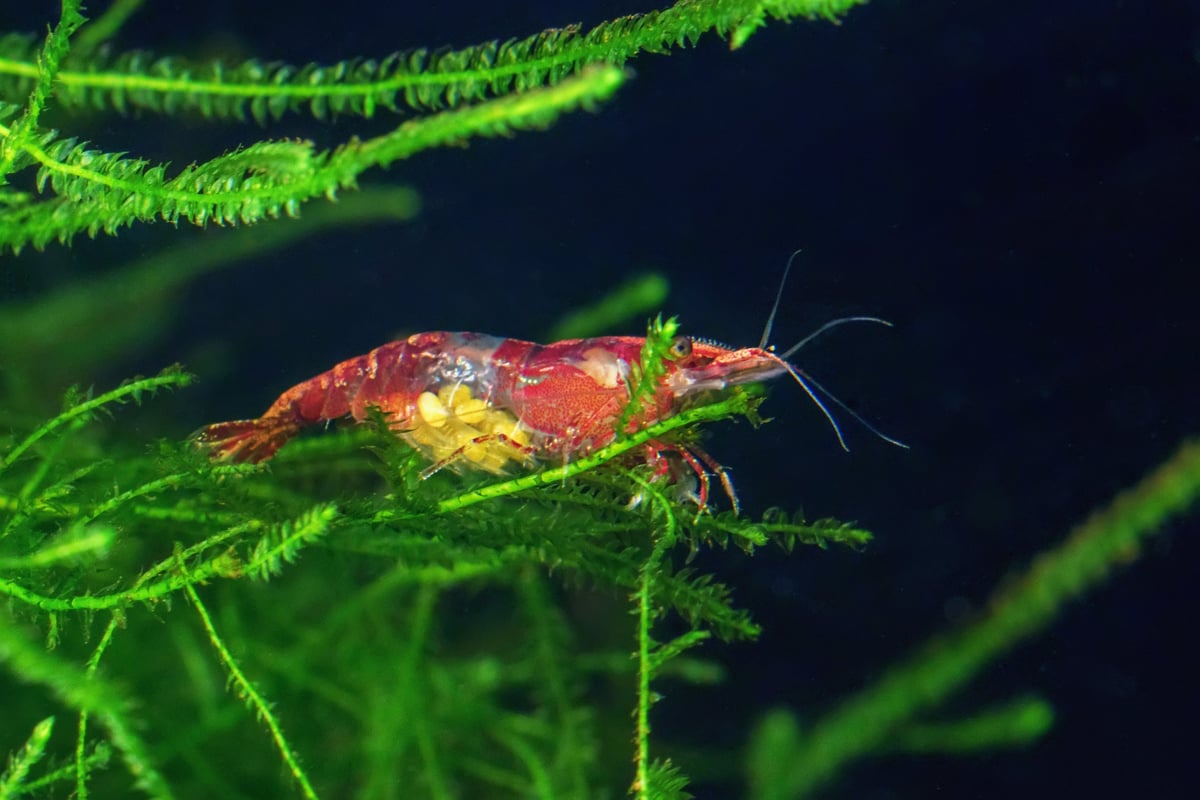
This sounds strange, but experienced shrimp keepers often like aquariums that look established. Over time, healthy ecosystems usually develop biofilm, slight algae films, mature hardscape, and rich microbial communities.
A tank that always looks freshly set up may never have time to develop these biological systems. Many beginners unintentionally reset their ecosystem by:
Imagine trying to grow a forest while someone removes the trees every week. The ecosystem never gets a chance to mature. Shrimp often thrive in aquariums that have had time to develop some character.
Want to know the signs of a stable, mature aquarium? Get the free checklist →
This is one of the most common beginner mistakes. You see a little algae. You clean. You see a little debris. You clean. You see some natural growth. You clean again.
The problem is that many of these surfaces are where microscopic life develops. Biofilm communities need:
Constant deep cleaning can remove many of the things shrimp naturally graze on. This doesn't mean you should never perform maintenance. It simply means there is a difference between maintaining an aquarium and sterilizing an aquarium. Shrimp often prefer the first one.
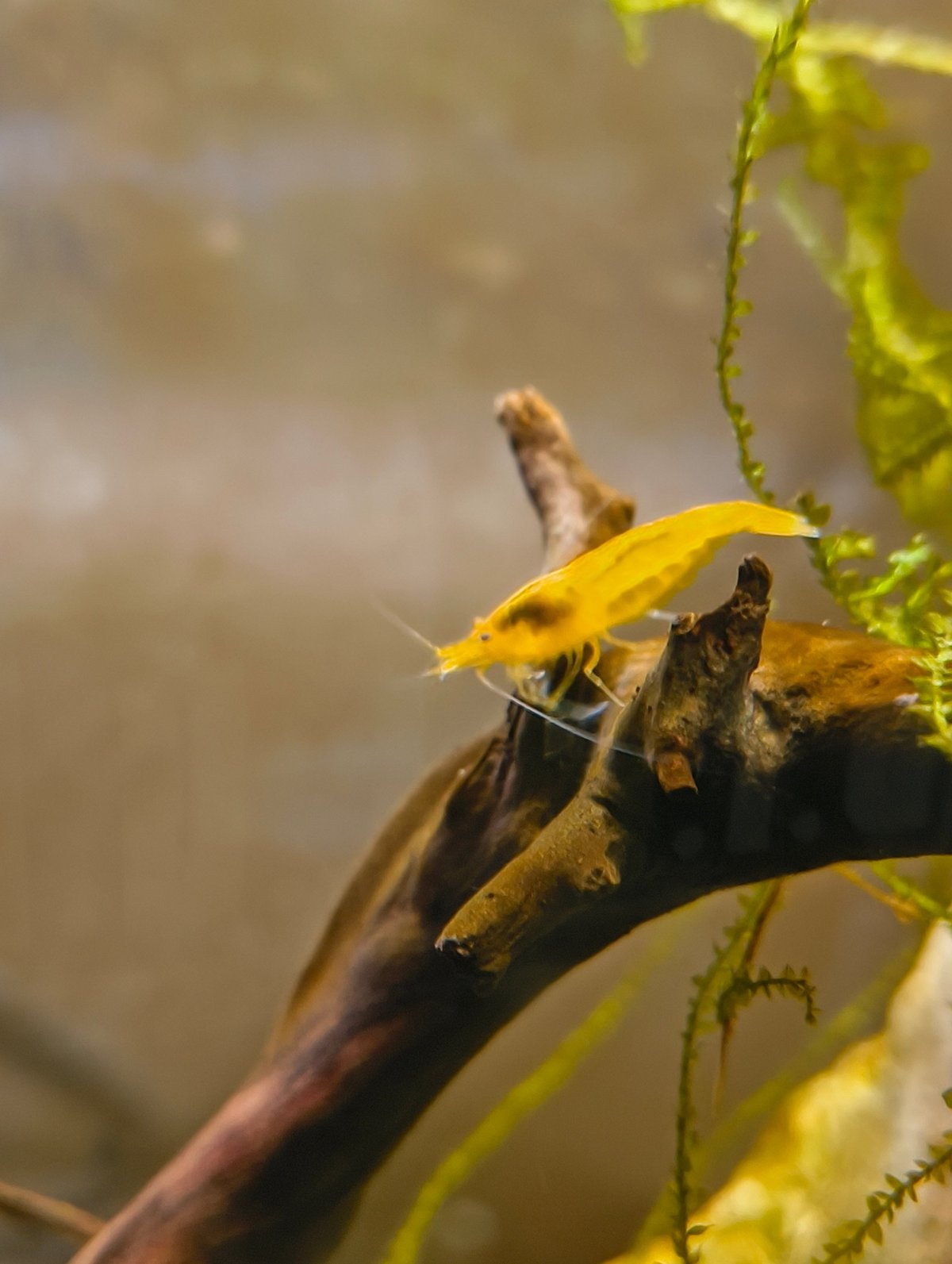
This is harder to describe, but experienced hobbyists know exactly what it means. Some tanks feel alive. Others feel like a box of water.
Mature shrimp tanks often contain:
Everything begins supporting everything else. The aquarium starts behaving like an ecosystem. These tanks often become more stable, easier to maintain, more predictable, and better for shrimp colonies.
This is one of the reasons Aquascape Oasis focuses so heavily on self-sustaining aquariums. The goal isn't to constantly fight nature — the goal is to build an ecosystem that works with nature.
Want a shrimp tank that feels more like an ecosystem?
Download our free Self-Sustaining Tank Stability Checklist and learn what successful aquarists monitor.
Baby shrimp are tiny. Really tiny. They can't always compete for food the same way adults can. Biofilm provides constant access to food, natural grazing surfaces, and microscopic nutrition sources.
Many shrimp keepers notice that baby survival improves as their aquariums mature. One reason may be the increased availability of natural food. This is why a tank that looks slightly "lived in" can actually be beneficial.
The biggest mistake is assuming: Clean = Sterile = Healthy. In reality, healthy shrimp tanks often have slight algae films, mature surfaces, rich biofilm, tiny organisms, and established ecosystems.
The goal isn't to create a dirty aquarium. The goal is to allow biological systems to develop. Many of the things shrimp love don't look perfect to humans.
A healthy shrimp tank usually has:
It doesn't necessarily look messy. But it usually doesn't look sterile either.
If your aquarium feels too clean, consider asking yourself:
Sometimes the answer isn't doing more. Sometimes it's simply allowing nature to do its thing.
Self-sustaining aquariums usually prioritize stability, biological maturity, healthy plant growth, rich microbial communities, and natural food sources. As these ecosystems develop, shrimp often become more active, more comfortable, more successful breeders, and easier to maintain.
The aquarium begins doing more of the work. That's one of the biggest reasons mature shrimp tanks can feel almost effortless compared to new, constantly cleaned aquariums.
Most beginners don't build a mature ecosystem overnight. It takes time. Healthy shrimp tanks are usually built slowly. They become established gradually.
The goal isn't to stop maintaining your aquarium. The goal is to stop fighting every bit of natural growth. Sometimes the healthiest thing you can do for your shrimp is simply allow the ecosystem to mature.
Because when an aquarium starts developing biofilm, microorganisms, and natural grazing opportunities, it often becomes exactly what cherry shrimp love most: a stable, living ecosystem.
Ready to build a shrimp tank that thrives naturally? Get the free Self-Sustaining Tank Stability Checklist →
Quick answers to common questions about aquarium cleanliness and shrimp health
Want to build a shrimp tank with healthier colonies, richer biofilm, and a more stable ecosystem? Our free checklist helps you identify common stability issues before they lead to shrimp stress, poor colony growth, or recurring aquarium problems.
Simple, actionable steps for any experience level
No purchase necessary — just valuable aquarium knowledge
We respect your inbox. Unsubscribe anytime.
Join hundreds of aquarists building healthier, more stable shrimp tanks