
CO2 Systems
CO2 Systems: Pressurized vs DIY Guide
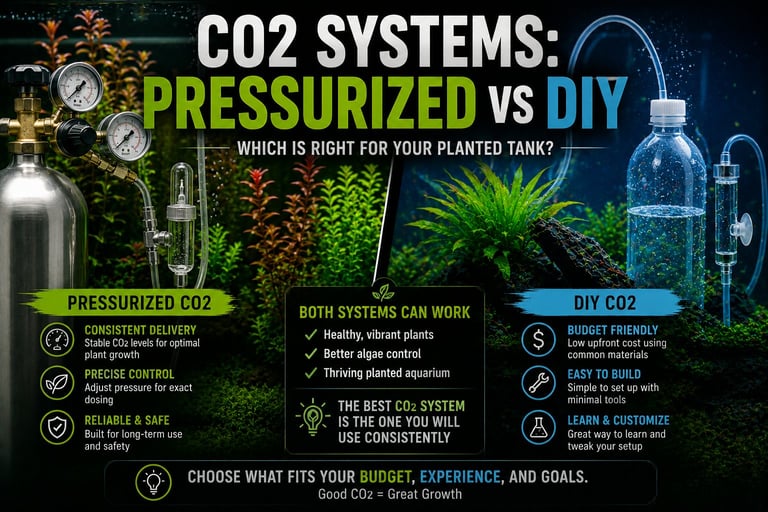
Light drives photosynthesis, but CO2 is the fuel. Learn how to match CO2 levels to your lighting for explosive growth without algae.
Read Article
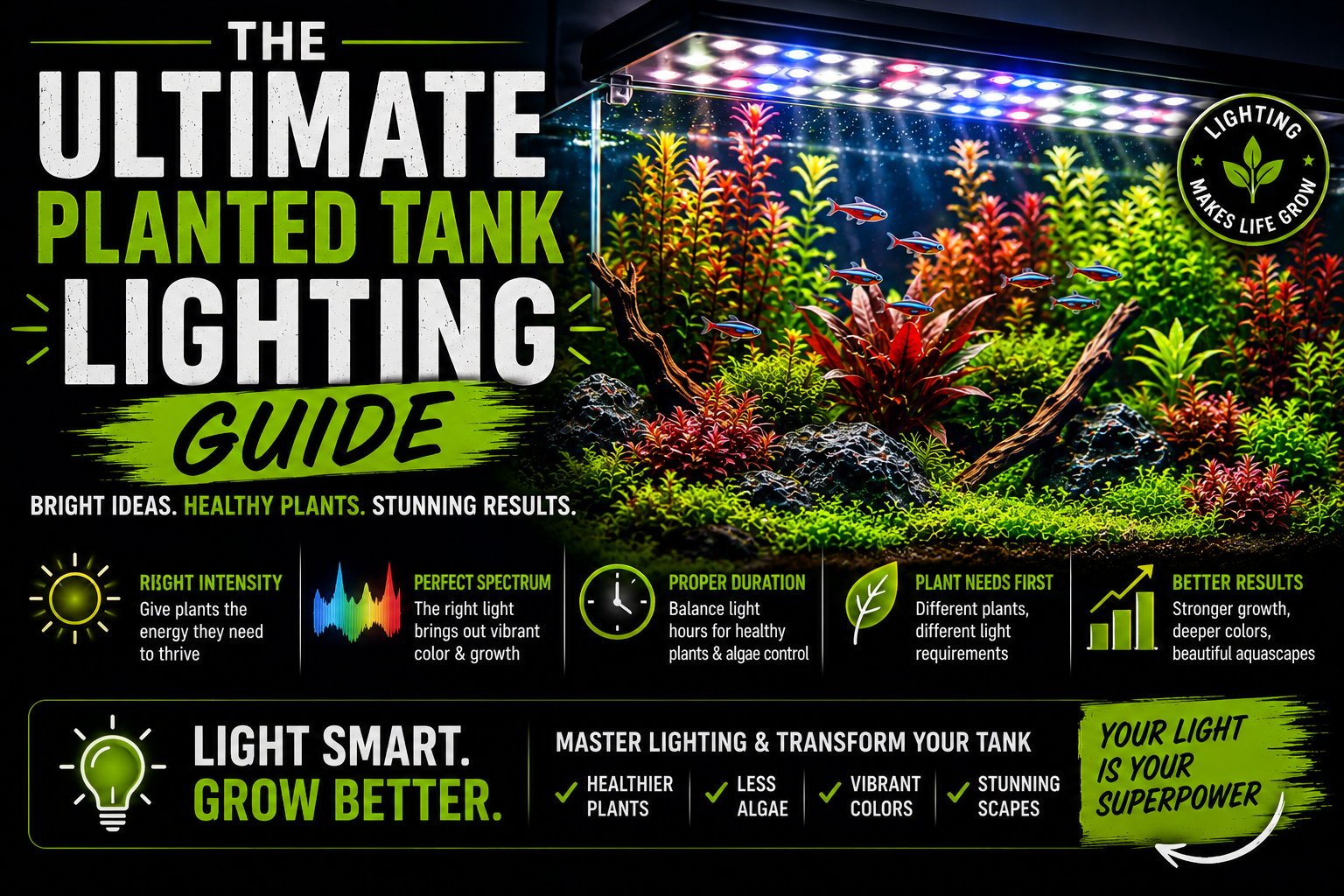
Master the art of aquarium lighting with this comprehensive guide inspired by aquascaping experts like Fatherfish. Learn PAR values, spectrum selection, and timing for thriving planted tanks.
Get Free Self-Sustaining Aquarium ChecklistAs aquascaping legends like Fatherfish have shown us, proper lighting isn't just about making your tank look good—it's the foundation of a thriving aquatic ecosystem. Light drives photosynthesis, influences plant growth patterns, and creates the stunning visual appeal that makes planted tanks so captivating. See also best aquarium lights for low-tech planted tanks.
Understanding Photosynthetically Active Radiation (PAR) is crucial for plant health. Learn the optimal ranges for different plant species and tank depths.
Different wavelengths affect plant growth differently. Discover how red, blue, and full-spectrum lighting impact your aquatic plants.
Timing is everything. Learn optimal lighting schedules, ramp-up periods, and how to prevent algae while promoting healthy plant growth.
Want thriving plants without the guesswork?
Our free checklist walks you through every step of building a balanced aquarium.
Download Free Checklist"Lighting is where most beginners get overwhelmed, but it doesn't have to be complicated. Start with understanding your plants' needs, then match your lighting accordingly. It's not about having the most expensive light—it's about having the right light for your specific setup."
PAR (Photosynthetically Active Radiation) measures the light intensity your plants actually use for photosynthesis. Here's everything you need to know about getting it right.
Perfect for easy plants like Anubias, Java Fern, and Cryptocoryne. Minimal CO2 requirements.
Ideal for most planted tanks. Supports a wide variety of plants with moderate CO2 supplementation.
For demanding red plants and carpet species. Requires CO2 injection and careful nutrient management.
PAR decreases with water depth. A light providing 50 PAR at the surface might only deliver 25 PAR at 18 inches deep. Always measure at plant level!
PAR values decrease with depth due to water absorption and reflection
Master your tank's lighting setup today
Get our free self-sustaining aquarium checklist — everything you need in one place.
Download Free ChecklistDifferent wavelengths of light trigger specific responses in aquatic plants. Understanding spectrum is key to promoting healthy growth, vibrant colors, and preventing algae issues.
Balanced daylight spectrum, perfect for most planted tanks. Mimics natural sunlight.
Enhanced red spectrum for colorful plants like Rotala and Ludwigia. Warmer appearance.
Blue-heavy spectrum for tight, compact growth. Prevents stretching in stem plants.
Light spectrum is just one piece of the puzzle
Download our free checklist to see how lighting, CO2, nutrients, and substrate all work together.
Download Free ChecklistBased on years of aquascaping experience and plant testing
Start with 6500K full spectrum LEDs. Simple, effective, and forgiving for new aquascapers.
Mix 6500K with 3000K or add supplemental red LEDs for enhanced red coloration.
Programmable LED systems with adjustable spectrum throughout the day for optimal growth.
From budget-friendly options to high-end programmable systems, here's everything you need to know about aquarium lighting equipment.
Based on community feedback, expert reviews, and real-world performance value
Outstanding starter investment with timer and dimming. Perfect for 20-40 gallon tanks with low to medium light plants. Pays for itself quickly in energy savings.
Exceptional build quality with outstanding PAR output that rivals much more expensive options. Multiple sizes available for any tank.
Revolutionary smartphone app control, natural sunrise/sunset simulation, and fully customizable spectrum. Transforms your aquascaping experience completely. Fatherfish approved!
Professional-grade lighting system with incredible PAR output and surgical precision spectrum control. The ultimate investment for serious aquascapers seeking perfection.
The right light + the right system = success
Our free checklist helps you choose and configure everything for a thriving planted tank.
Download Free Checklist| Investment Factor | LED | Fluorescent | Metal Halide |
|---|---|---|---|
| 5-Year Total Investment | Lowest | Medium | Highest |
| Maintenance Requirements | Minimal | Regular | Regular |
| Plant Growth Results | Excellent | Good | Excellent |
| Flexibility & Control | Maximum | Limited | Medium |
| Long-term Value | Outstanding | Good | Good |
While LEDs may require a higher upfront investment, they typically pay for themselves within 12-18 months through energy savings alone. Factor in no bulb replacements for 5-10 years, and the total value becomes undeniable.
Follow this step-by-step approach to upgrade your planted tank lighting like a pro. No more guesswork!
Measure your tank dimensions, identify your plants, and determine your current PAR levels if possible.
Based on your plant species and tank depth, determine the PAR range you need to achieve.
Select lighting based on your budget, tank size, and desired features. LED is recommended for most setups.
Start with 6-8 hours daily, adjust based on plant response and algae growth. Use timers for consistency.
Track your progress with these key indicators
Take photos weekly to track your progress. Lighting changes can take 2-4 weeks to show full effects!
Now that you understand lighting fundamentals, explore our other guides to learn about complementary aspects of planted tank care.
Quick answers to the most common lighting questions from planted tank enthusiasts
Lighting is just one piece of the planted tank puzzle — master the full picture
Light drives photosynthesis, but CO2 is the fuel. Learn how to match CO2 levels to your lighting for explosive growth without algae.
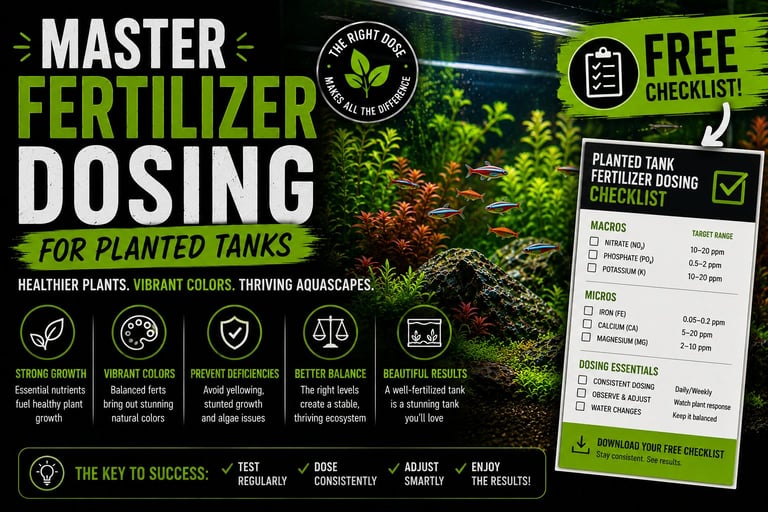
More light means plants consume nutrients faster. Master your dosing schedule to prevent deficiencies and keep plants thriving.