
Planted Aquarium Problems
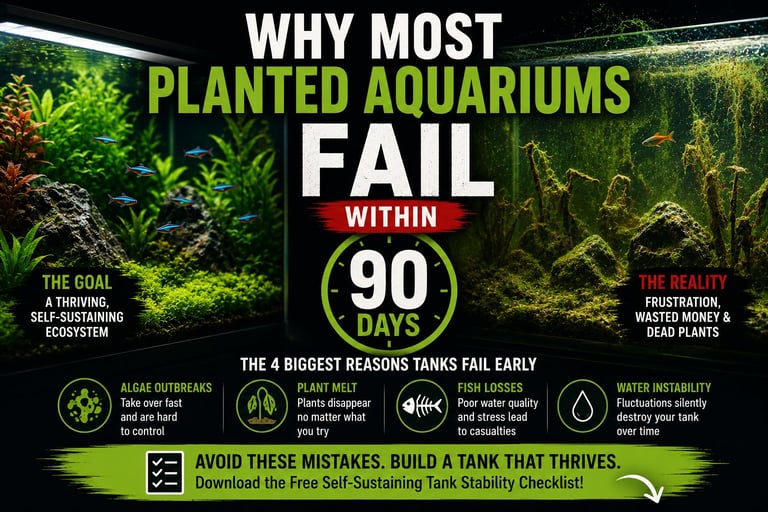
Why Most Planted Aquariums Fail Within 90 Days
Plant melt, algae outbreaks, fish deaths, and water instability — discover why most tanks crash and how to avoid it.
Looking for the best aquarium lights for low-tech planted tanks? Compare beginner-friendly LED lights, timers, and fertilizers that help grow healthy aquarium plants without CO₂.
Aquascape Oasis Team
Planted Tank Specialists
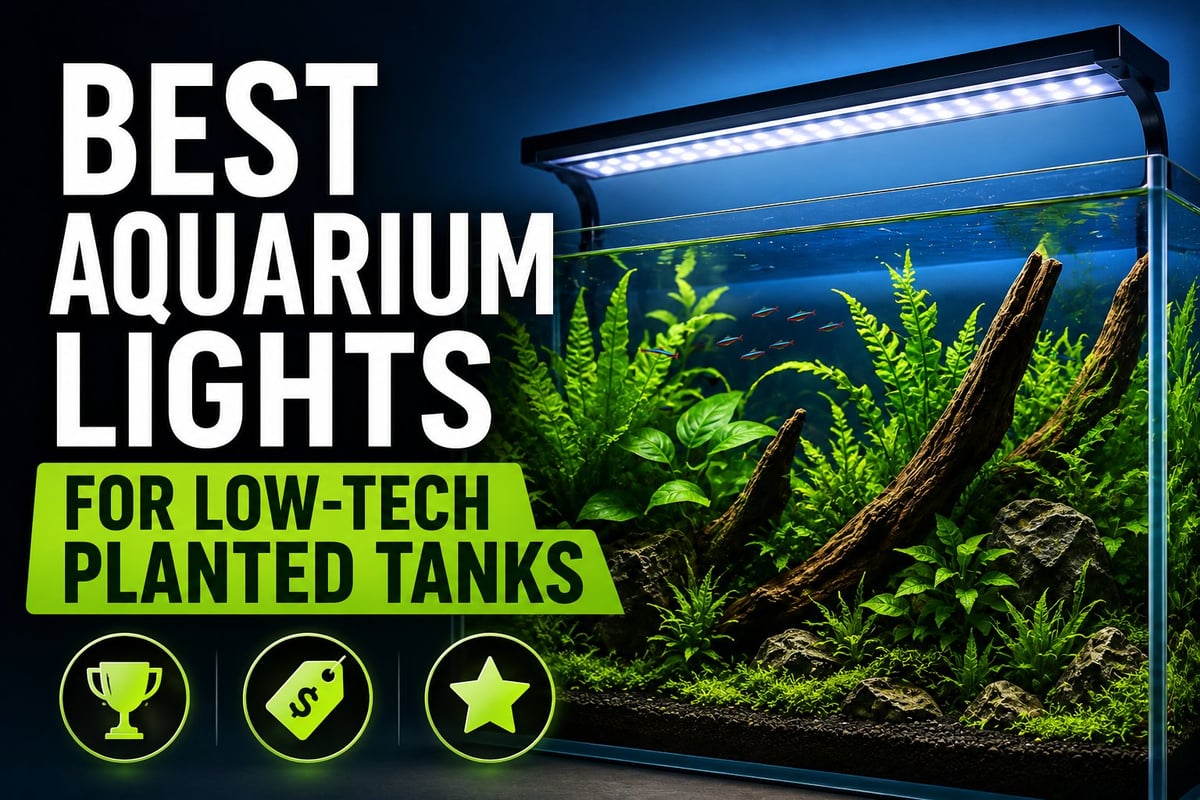
A vibrant low-tech planted aquarium illuminated by a modern LED fixture, showcasing healthy beginner-friendly plants and balanced lighting for easy aquarium maintenance.
The right aquarium light can make or break your planted tank. Download our free checklist covering the lighting principles that keep plants healthy and algae under control.
Send Me the ChecklistIf you're building a low-tech planted aquarium, one of the biggest mistakes you can make is buying the wrong light. A lot of beginners think: "More light = better plant growth." Unfortunately, that's often how people end up with algae outbreaks, melting plants, frustration, constant maintenance, and a tank that feels impossible to balance.
The truth is that most low-tech planted tanks do best with moderate, controllable lighting. You don't need a $500 light. You don't need a complicated app. And you definitely don't need reef-level lighting to grow beginner aquarium plants. In fact, many self-sustaining aquariums become easier to maintain when lighting is kept simple and balanced.
In this guide, I'll walk you through the best aquarium lights for low-tech planted tanks, which lights I recommend for beginners, and which timers and fertilizers pair best with each setup.
Affiliate Disclosure
Some links in this guide are affiliate links. If you click through and make a purchase, we will earn a small commission at no extra cost to you. We only recommend products we've researched or used and believe will help you build a better aquarium.
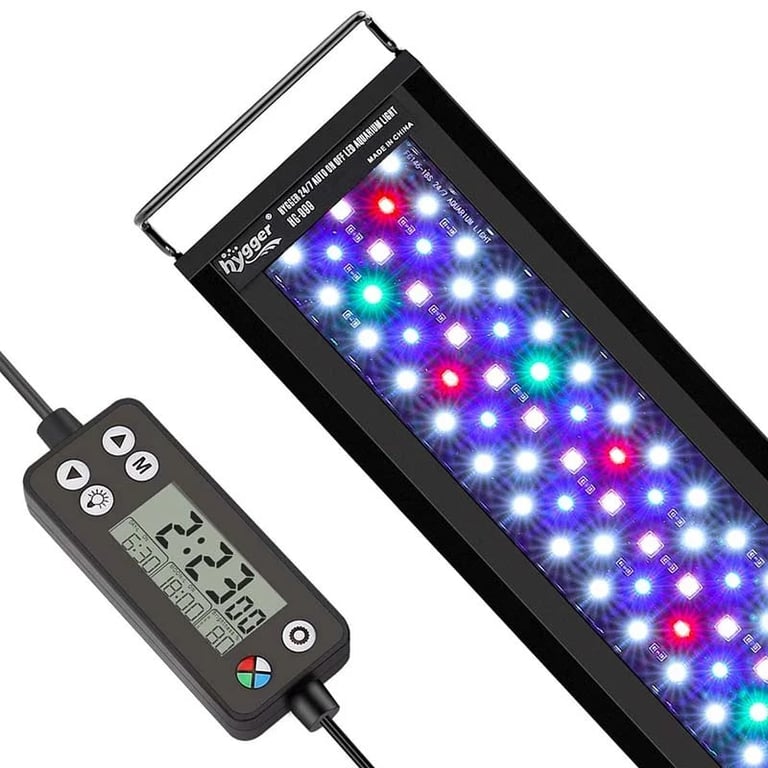
Hygger 24/7 LED Aquarium Light
Built-in timer, sunrise/sunset modes, adjustable brightness — the perfect balance for beginners.
AQUANEAT LED Aquarium Light
Also GreatFluval Plant 3.0
Also GreatNICREW SkyLED Plus
Also GreatChihiros WRGB II Slim
Want a stable, low-maintenance planted tank? Grab the free checklist that shows you how.
Get the Free ChecklistLow-tech aquariums generally contain plants like Anubias, Java Fern, Java Moss, Cryptocoryne, Amazon Sword, Water Wisteria, Bacopa, and floating plants. These plants don't need extremely intense lighting.
Instead, the best low-tech aquarium lights provide:
In my experience, consistency is usually more important than raw power. A balanced light schedule often creates healthier plants, fewer algae issues, more stable aquariums, and lower maintenance over time. That's exactly what we're trying to build at Aquascape Oasis.
| Product | Best For | Price | Timer |
|---|---|---|---|
| Hygger 24/7 LED 🏆 Top Pick | Best Overall | $$ | Yes |
| AQUANEAT LED | Budget Tanks | $ | No |
| Fluval Plant 3.0 | Premium Growth | $$$ | Yes |
| NICREW SkyLED Plus | Nano Tanks | $ | No |
| Chihiros WRGB II Slim | Display Aquascapes | $$$ | App Control |
If I were helping someone build their very first self-sustaining planted aquarium, this is probably the light I'd recommend first. The Hygger 24/7 (HG999) strikes an excellent balance between price, plant growth, ease of use, features, and control.
It features WRGB full-spectrum LEDs — white, red, green, and blue — which means it doesn't just grow low-light plants. The red spectrum supports photosynthesis in demanding red plants too. With 0–100% adjustable brightness per period and up to 8 programmable time slots in DIY mode, you can dial in exactly the right intensity for your tank.
One of the biggest mistakes beginners make is buying a light that's far too powerful. The Hygger gives you enough control to start conservatively and ramp up as your plants establish — without turning your aquarium into an algae farm.
Most popular choice for beginners this year
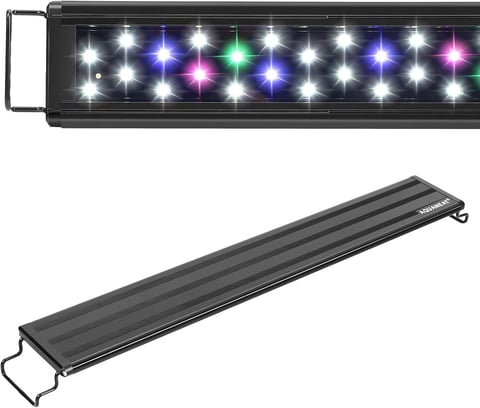
Not everyone wants to spend hundreds of dollars on an aquarium light. The AQUANEAT LED is one of my favorite budget recommendations because it keeps things simple. It gives beginners enough light to grow many low-tech plants without spending a fortune.
Great for first planted tanks, 10-gallon aquariums, shrimp tanks, kids' aquariums, and budget builds. It can grow Anubias, Java Fern, Java Moss, Cryptocoryne, and floating plants.
The wrong light is the #1 reason beginners get algae. Want to avoid that?
Get the Free Stability Checklist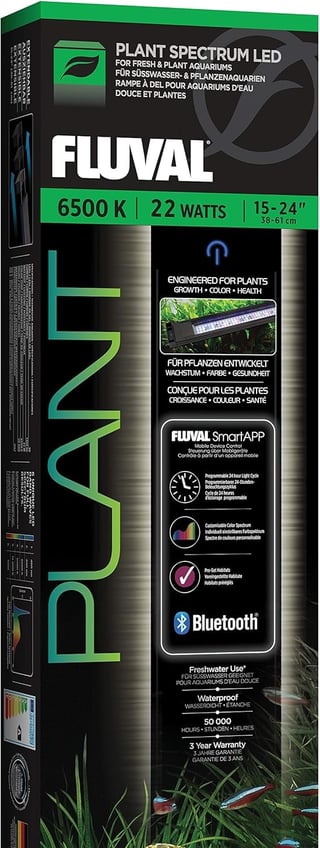
If you want complete control over your lighting, the Fluval Plant 3.0 is hard to beat. The app allows you to customize brightness, light schedule, sunrise, sunset, and color channels. However, beginners should be careful — this light is extremely capable, and too much intensity can quickly lead to algae problems.
Great for larger aquariums, intermediate hobbyists, future high-tech tanks, and display aquariums.
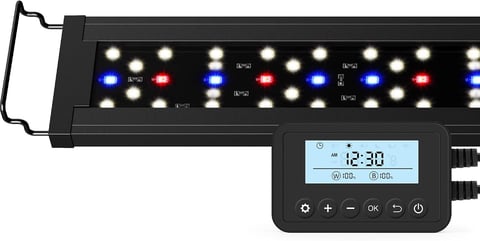
Small shrimp tanks and nano aquariums don't need massive lighting systems. The SkyLED Plus is simple, inexpensive, and works well for many beginner plants.
Great for 5-gallon tanks, 10-gallon tanks, shrimp-only setups, and Betta aquariums.
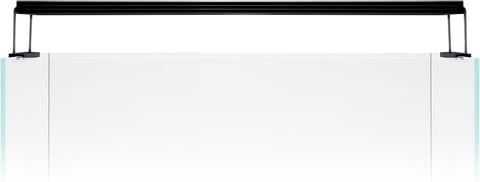
If your goal is creating an absolutely stunning aquascape, the Chihiros WRGB II Slim deserves consideration. This light can produce incredible colors. However, I generally recommend it for hobbyists with some experience because powerful lights can create maintenance challenges.
Great for display aquariums, aquascaping enthusiasts, photography, and experienced plant keepers.
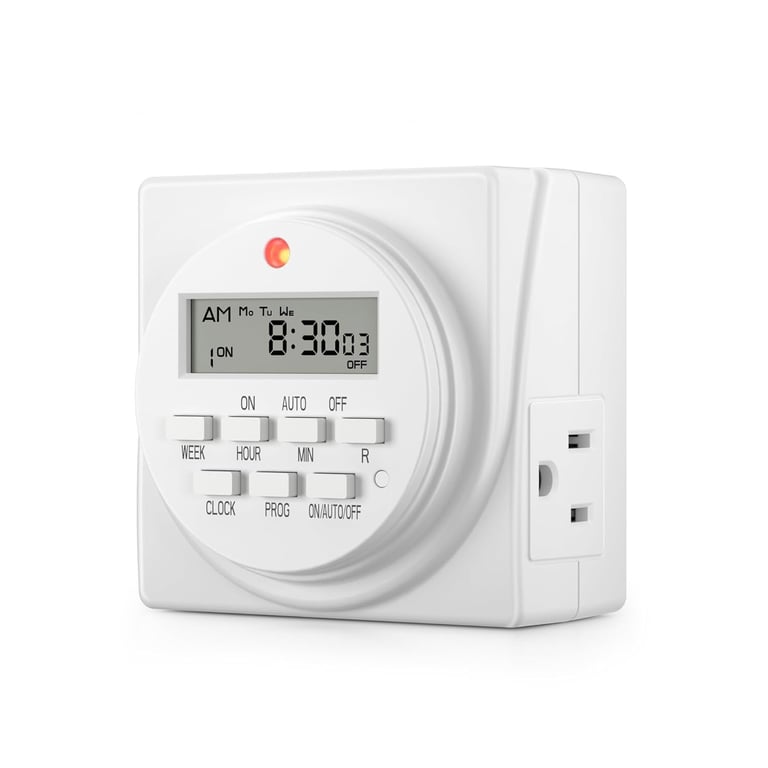
One of the best Amazon upsells for this article is a simple timer. Many algae problems happen because beginners leave lights on too long, forget to turn them off, or use inconsistent schedules.
A timer helps create stability. And stable aquariums often become easier to maintain.
Great for low-tech planted tanks, shrimp tanks, and beginner aquariums.
Check Price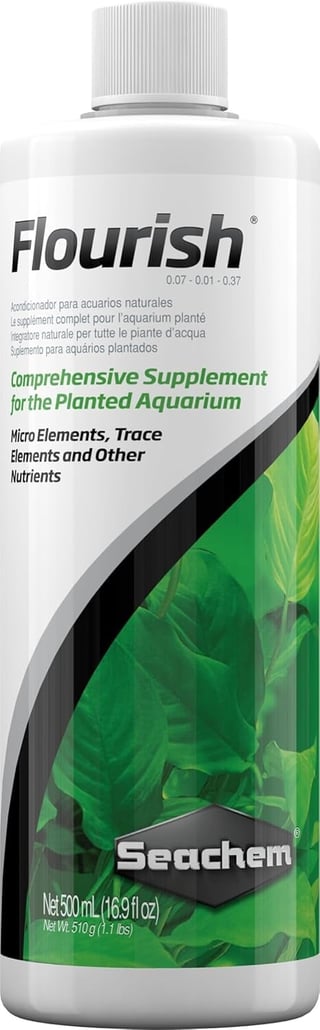
Great for beginner planted tanks, shrimp tanks, low-tech aquariums, and community tanks.
Check Price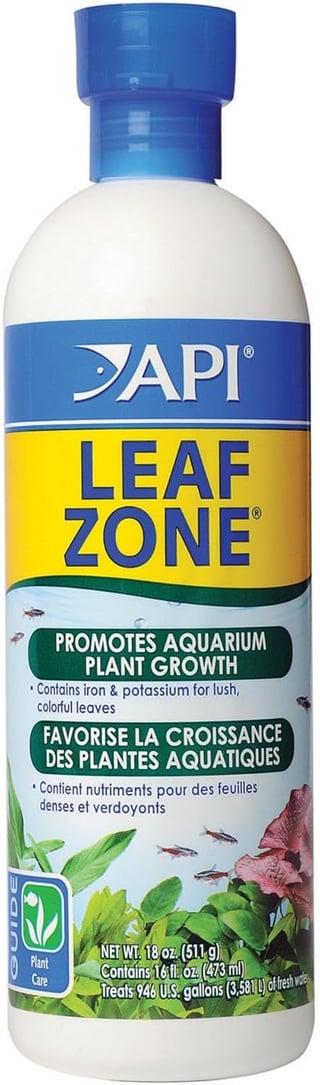
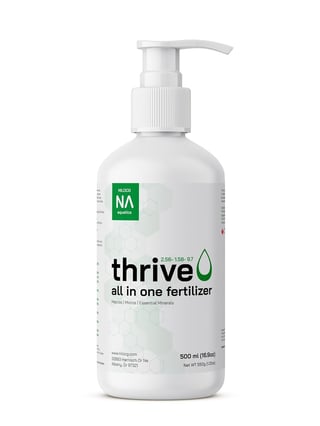
Great for shrimp tanks, planted community tanks, self-sustaining aquariums, and heavily planted tanks.
Check PriceThe best aquarium light for a low-tech planted tank isn't necessarily the most expensive one. It's the light that helps you grow healthy plants while keeping the aquarium stable and easy to maintain.
For most beginners, I'd recommend starting with the Hygger 24/7 LED Aquarium Light or AQUANEAT LED. Pair it with a timer, fertilizer, and lots of plants — and you'll be well on your way to building a beautiful, low-maintenance, self-sustaining aquarium.
Want to build a planted aquarium that stays stable and requires less maintenance? Download our FREE Self-Sustaining Tank Stability Checklist and learn the exact principles that help aquarium plants thrive while preventing algae and unnecessary work.
Get the Free ChecklistNo spam. Unsubscribe anytime.
Common questions about aquarium lighting for low-tech planted tanks
No, low-tech planted tanks don't need special or expensive lighting. Most beginner-friendly plants like Anubias, Java Fern, and Cryptocoryne thrive under moderate, full-spectrum LED lighting. The key is consistency and avoiding lights that are too intense, which often lead to algae problems. A quality budget light like the NICREW ClassicLED Plus or a mid-range option like the Hygger 24/7 provides everything most low-tech tanks need.
For most low-tech planted tanks, 6–8 hours of light per day is ideal. Longer photoperiods often lead to algae outbreaks. Using a timer creates a consistent schedule, and many successful low-tech aquarists use a "siesta" period where lights turn off for 1–2 hours mid-afternoon, which can help disrupt algae growth cycles.
While some household LED lights can grow low-light plants, aquarium-specific LED lights are designed with the correct spectrum for aquatic plant photosynthesis. They also include features like waterproofing, mounting brackets, and adjustable brightness that make them far more suitable. For the small price difference, an aquarium-specific light is well worth the investment.
Yes, a timer is strongly recommended even for budget setups. Consistent lighting schedules are one of the most important factors in preventing algae and maintaining plant health. A simple digital timer costs around $10–15 and eliminates the risk of forgetting to turn lights on or off, which can quickly destabilize a low-tech tank.
Lumens measure total visible light output as perceived by the human eye, while PAR (Photosynthetically Active Radiation) measures the light that plants can actually use for photosynthesis. For aquarium plants, PAR is the more relevant measurement. Most low-tech plants need around 20–40 PAR at the substrate level, which all the lights recommended in this guide can provide.
Continue learning about planted aquarium care and maintenance
Plant melt, algae outbreaks, fish deaths, and water instability — discover why most tanks crash and how to avoid it.
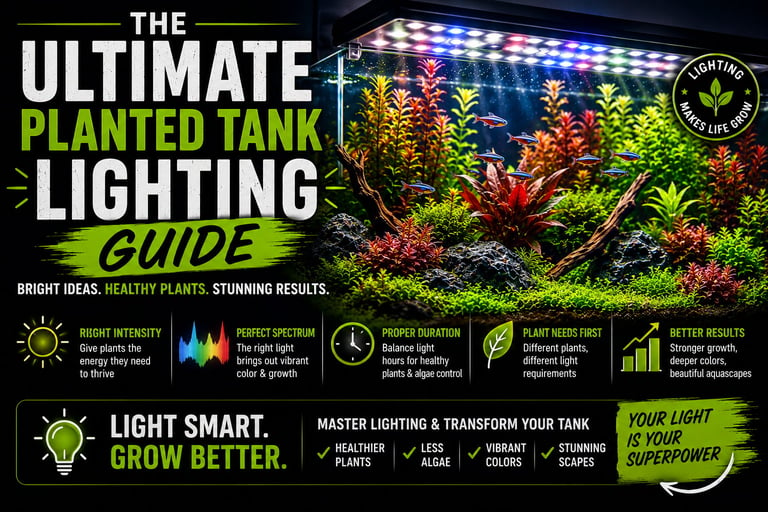
Master aquarium lighting with our comprehensive guide covering PAR, spectrum, and timing for healthy plant growth.
Download our free Self-Sustaining Tank Stability Checklist and learn the principles that help aquarium plants thrive while preventing algae and unnecessary work.
No payment required. Your information is never shared.