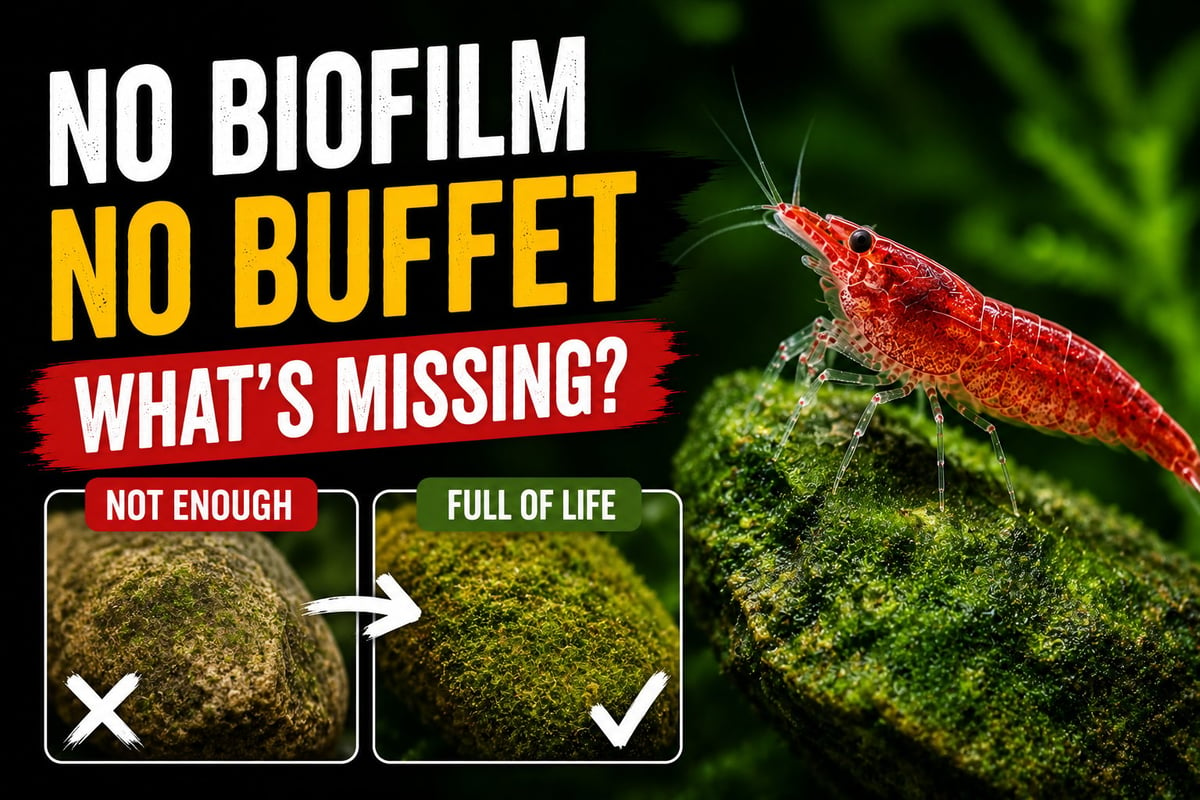
Wondering why your aquarium never grows enough biofilm for shrimp? Learn what biofilm is, why it matters, and how biological maturity and stability help support healthy shrimp colonies.
Aquascape Oasis Team
Planted Tank Specialists
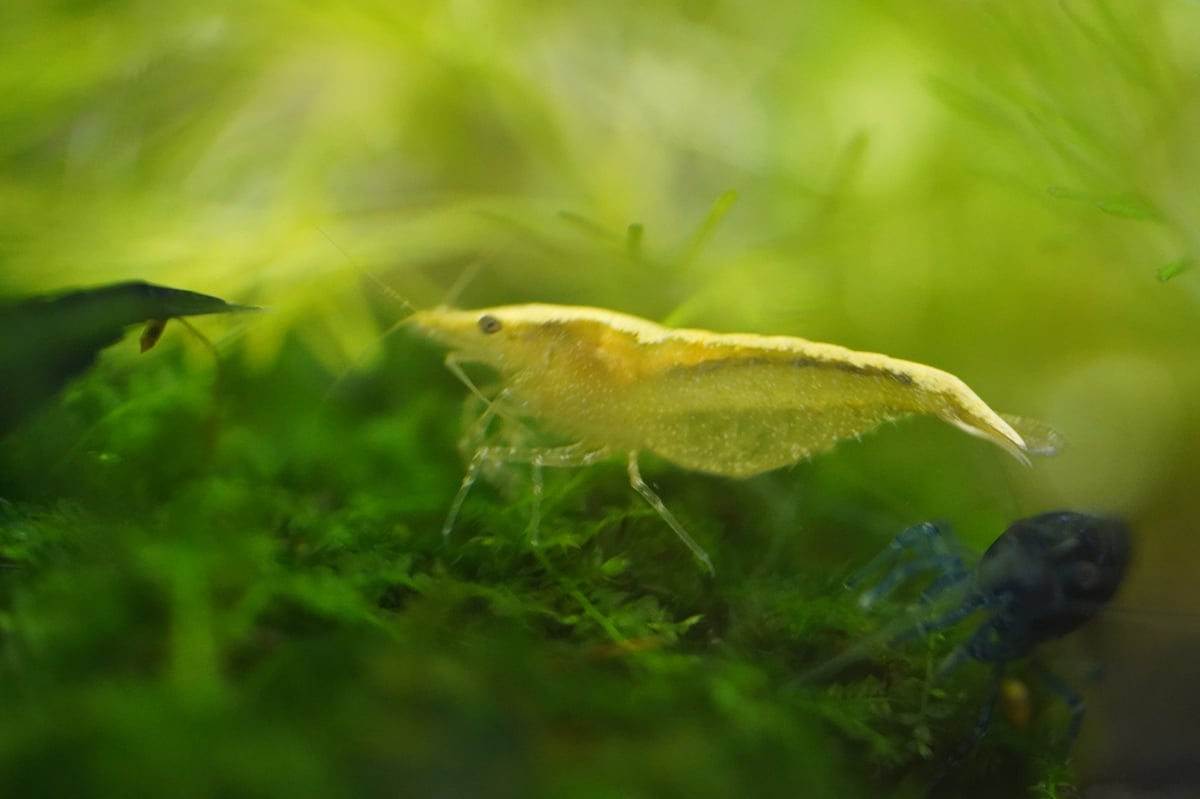
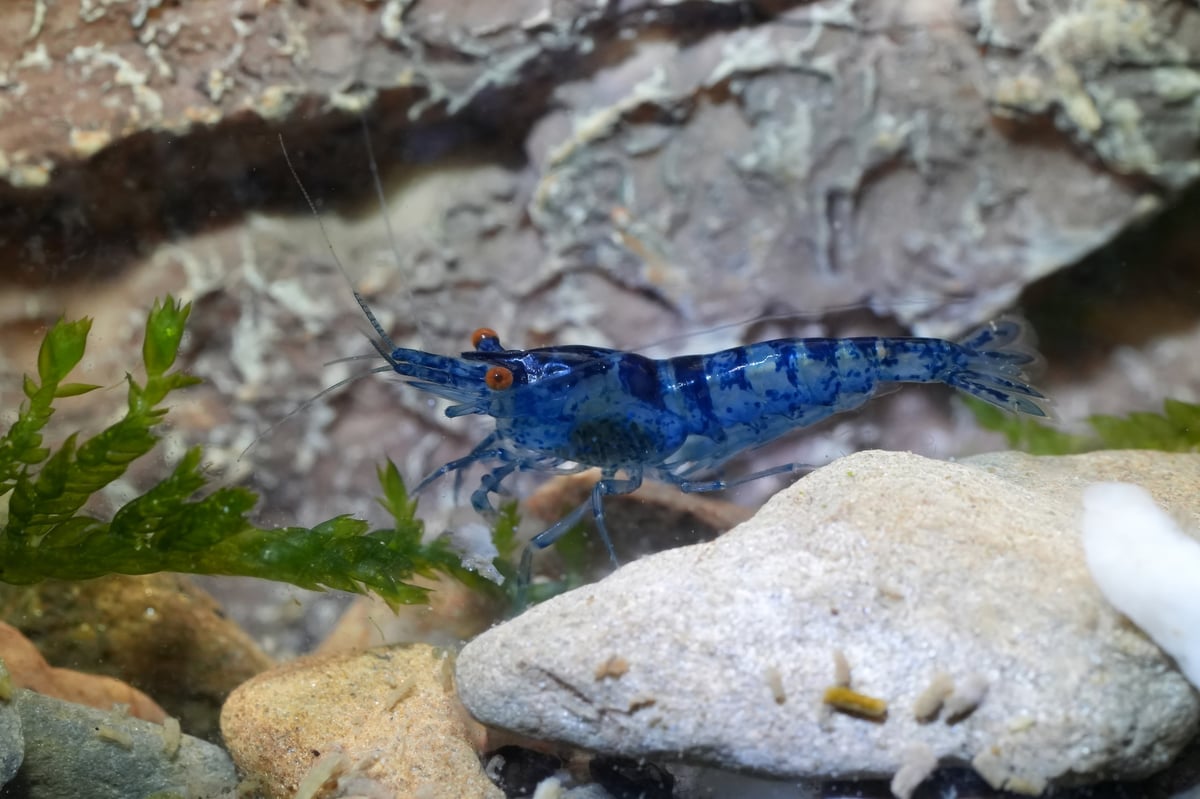
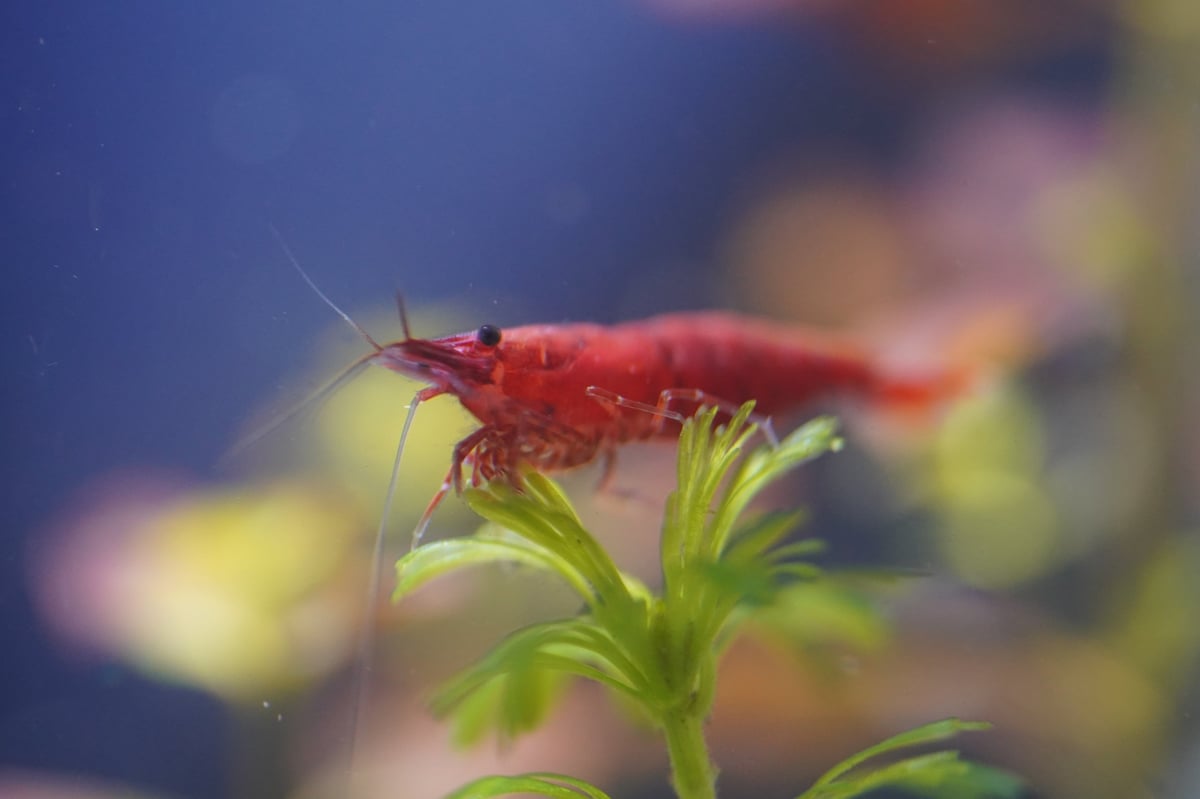
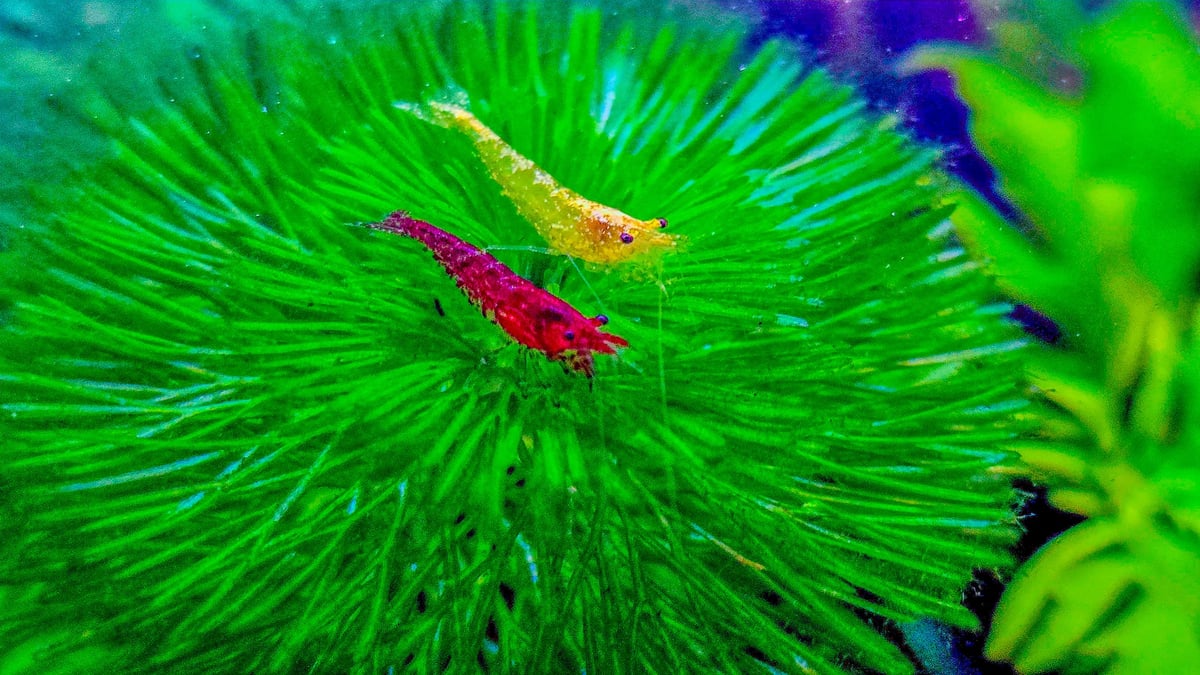
A mature Neocaridina shrimp aquarium with algae and biofilm-covered surfaces that provide natural grazing opportunities and support healthier, more stable shrimp colonies.
Want to build a shrimp tank with richer biofilm, healthier colonies, and a more stable ecosystem? Download our free checklist.
Send Me the ChecklistYou set up a shrimp tank. You add moss. You add plants. Maybe you even throw in some driftwood or leaf litter. Then you wait. And wait.
But your aquarium never seems to develop that rich, mature look that experienced shrimp keepers talk about. Your shrimp are constantly searching for food. You don't see much algae. You don't see much biofilm.
And you start wondering: "Why does my aquarium never grow enough biofilm for shrimp?"
If this sounds familiar, you're definitely not alone. Biofilm is one of the most misunderstood parts of shrimp keeping. Many beginners don't even know it exists until they start researching why their shrimp aren't thriving or breeding.
The good news is that most aquariums can eventually develop healthy biofilm. The challenge is understanding what biofilm is and why some tanks struggle to produce enough of it. Let's dive in. Related: 5 reasons your aquarium never develops natural biofilm and 5 signs your aquarium is too clean for cherry shrimp.
Biofilm is a thin layer of life that develops on surfaces inside an aquarium. It can include beneficial bacteria, algae, fungi, microorganisms, organic matter, and tiny microbes that shrimp graze on.
To us, biofilm often looks like:
To shrimp, however, biofilm is basically an all-you-can-eat buffet. Cherry shrimp spend much of their day grazing on these microscopic food sources. In mature aquariums, biofilm can become an important part of the ecosystem.
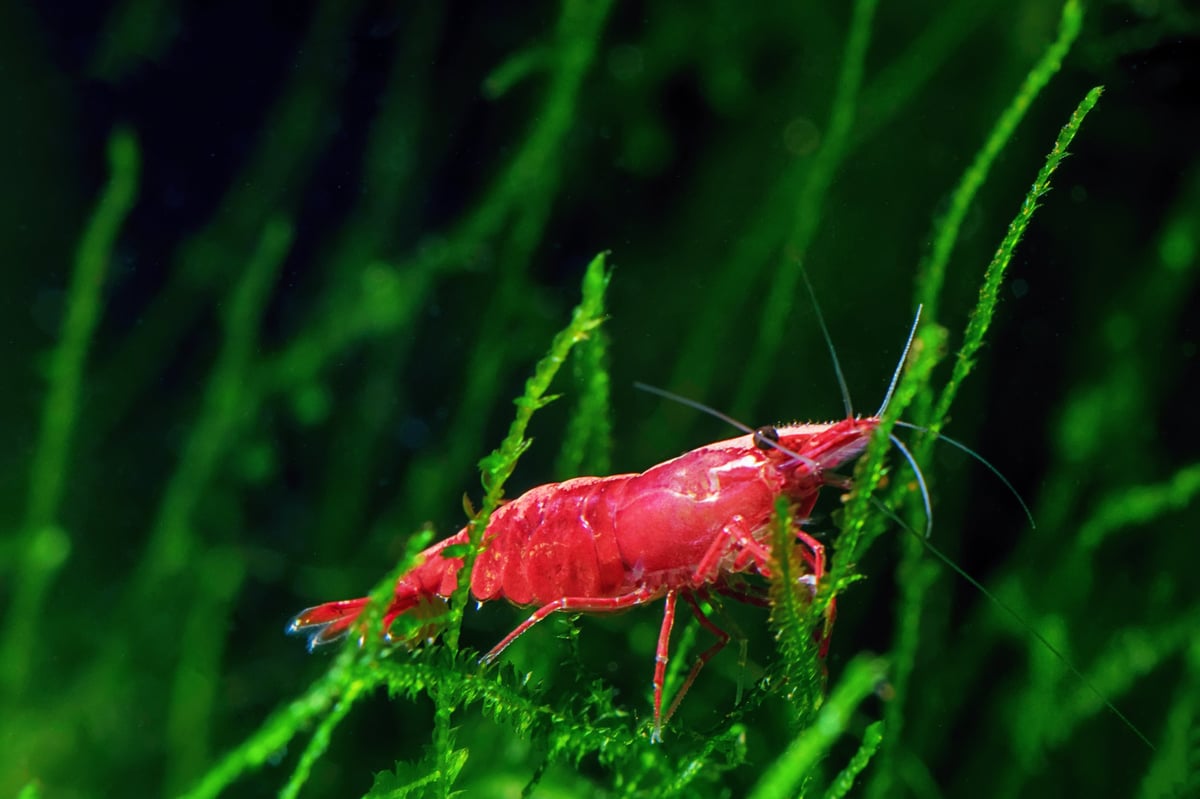
Shrimp don't just eat fish food. They constantly graze. In the wild and in mature aquariums, shrimp spend hours feeding on biofilm, algae, decaying plant matter, and microorganisms.
This constant food source helps support:
This is one reason experienced shrimp keepers often say: "The older the tank, the better the shrimp do." Older aquariums often have richer biofilm communities.
Building a shrimp tank? Don't miss our free checklist.
Learn the key factors successful aquarists monitor when creating stable ecosystems for thriving shrimp colonies.
This is probably the most common reason. Biofilm takes time. New aquariums simply haven't had enough time to develop the biological communities that produce rich biofilm.
A new tank may have:
Many beginners expect their aquarium to function like a six-month-old ecosystem after only a few weeks. Unfortunately, ecosystems don't work that way. Maturity takes time. This is one reason patience is one of the most valuable tools in shrimp keeping.
This surprises a lot of people. Many beginners are taught that perfectly clean equals healthy. For shrimp tanks, that's not always true.
Some hobbyists:
Unfortunately, these actions can remove many of the surfaces where biofilm develops. Shrimp often prefer tanks that look a little "lived in." That doesn't mean dirty. It means biologically mature. Some of the healthiest shrimp tanks would actually look slightly messy to a beginner.
Biofilm needs places to grow. Shrimp tanks with limited surfaces often struggle to produce abundant grazing opportunities.
Biofilm commonly develops on:
A bare aquarium with minimal hardscape may simply have fewer places for microorganisms to colonize. This is one reason mature, heavily planted tanks often support thriving shrimp colonies. There are simply more surfaces available.
Want a more stable shrimp tank?
Download our free checklist and learn what successful aquarists monitor to build healthier ecosystems.
Biofilm communities take time to develop. Constant disruptions can slow this process.
Examples include:
Imagine trying to build a forest while someone uproots the trees every week. Biofilm communities can experience something similar. Stability often allows biological systems to become richer and more diverse. This fits perfectly with the philosophy behind self-sustaining aquariums. The ecosystem needs time to develop.
Plants do much more than look pretty. Healthy plants contribute to biological stability, organic matter, surface area, and microbial diversity.
Plant-heavy aquariums often become richer ecosystems over time. They create more opportunities for life to develop. Many shrimp keepers notice that heavily planted tanks seem to produce healthier colonies. Biofilm may be one of the reasons.
This is where many beginners struggle. A self-sustaining aquarium isn't created overnight. It's built slowly.
Over time, mature aquariums often develop:
Eventually, these systems begin supporting one another. The aquarium starts becoming an ecosystem instead of simply a glass box containing water. This is one of the reasons mature shrimp tanks often seem to "run themselves." The ecosystem becomes increasingly self-supporting.
One reason biofilm matters so much is baby shrimp. Newly hatched shrimp are tiny. They're not always able to compete for food the way adults can.
Biofilm provides:
Many experienced shrimp keepers believe rich biofilm contributes to better baby survival. This is another reason mature tanks often outperform newer setups.
Ready to build a healthier shrimp tank?
Get our free Self-Sustaining Tank Stability Checklist and start building a more resilient ecosystem today.
One thing many self-sustaining aquariums have in common is biological maturity. Over time, stable aquariums often develop rich biofilm, natural food webs, greater biodiversity, and more resilient ecosystems.
These systems frequently require less intervention because the ecosystem itself is doing more of the work. This is why biofilm fits perfectly with the idea of building low-maintenance aquariums. You're not trying to force nature. You're trying to support it.
The moment they don't see biofilm, many hobbyists start buying products, scrubbing less one week and more the next, rearranging decorations, and changing routines repeatedly.
Ironically, these actions can create even more instability.
Instead, ask yourself:
The answer is often patience.
You may notice:
Biofilm often becomes more noticeable over time. Sometimes you won't even realize it's there until your shrimp start behaving differently.
Biofilm isn't always visible. And that's important to remember. Many healthy shrimp tanks have thriving microscopic communities that you can barely see.
The goal isn't necessarily to create fuzzy layers on every surface. The goal is to build an ecosystem that supports biological maturity, natural food sources, stability, and healthy shrimp behavior.
In many cases, biofilm arrives gradually as the aquarium matures. The healthiest shrimp tanks usually aren't built quickly. They're built slowly. And that's often what makes them so successful.
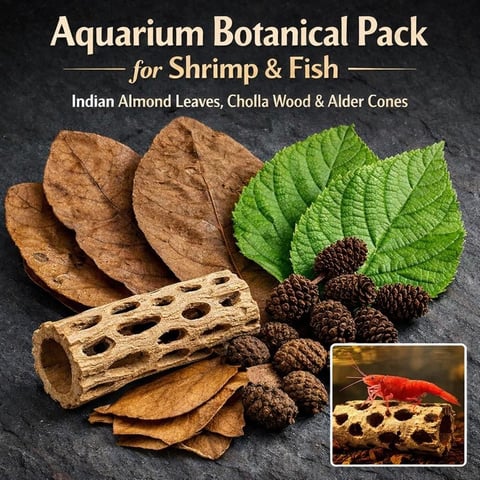
Indian almond leaves, cholla wood, and alder cones — everything your shrimp need to promote healthy biofilm and create a thriving, natural ecosystem.
As an affiliate, we may earn a commission from qualifying purchases at no extra cost to you.
Quick answers to common questions about aquarium biofilm and shrimp health
Want to build a shrimp tank with richer biofilm, healthier colonies, and a more stable ecosystem? Learn the key factors successful aquarists monitor when creating stable ecosystems.
Identify what your tank needs to support healthy biofilm growth naturally
Spot stability issues before they lead to shrimp stress or poor colony growth
Build a resilient aquarium that requires less intervention over time
No spam. Unsubscribe anytime.