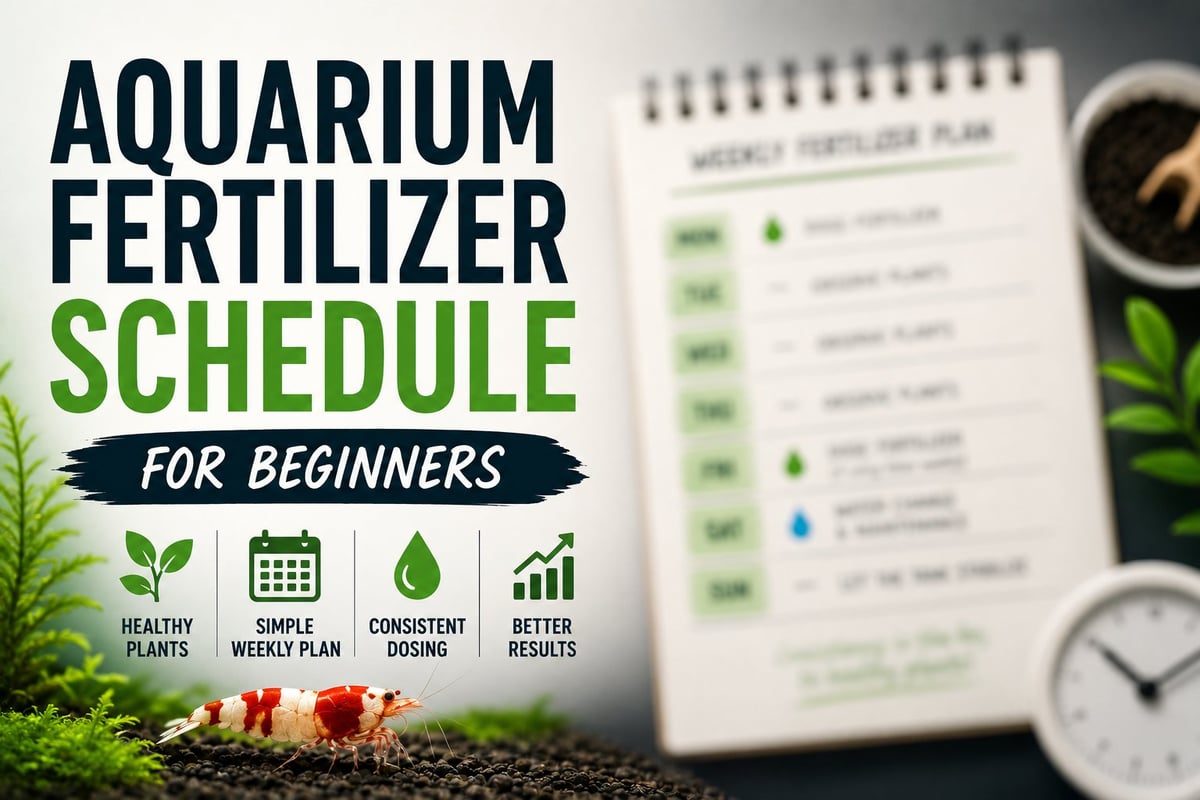
Not sure when to fertilize your planted aquarium? Learn a simple aquarium fertilizer schedule that promotes healthy plant growth while helping prevent algae — designed specifically for beginners.
Aquascape Oasis Team
Planted Tank Specialists
A beginner-friendly visual introducing a simple aquarium fertilizer schedule while keeping the weekly plan intentionally blurred to encourage readers to explore the full guide.
Want healthier plants with fewer algae problems? Download our free checklist covering the key principles behind balanced planted aquariums.
Send Me the ChecklistPlants need nutrients just like garden plants.
Some nutrients come from:
But over time, fast-growing plants can use nutrients faster than they're naturally replaced.
That's where fertilizer comes in.
Key point: The goal isn't to dump as much fertilizer into the tank as possible. The goal is to replace nutrients your plants are using while keeping the aquarium balanced.
One mistake beginners often make is trying to follow advanced dosing schedules they see online.
Daily dosing, multiple bottles, and complicated nutrient calculations can work well for experienced hobbyists — but they're often unnecessary for a typical low-tech planted aquarium.
If you're just getting started, keep it simple. A consistent routine is usually more important than a complicated one.
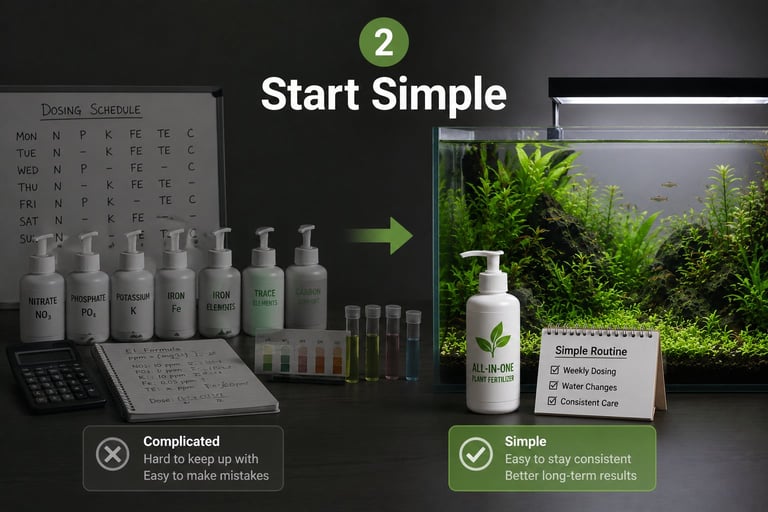
When you're starting a planted aquarium, a simple and consistent fertilizer routine is often more effective than trying to copy advanced dosing methods. Focus on building healthy habits before adding complexity.
The right schedule makes all the difference. Grab the free checklist →
For many low-tech planted aquariums, this is a great place to start.
Dose your liquid fertilizer according to the manufacturer's instructions. Observe your plants over the next few days.
No fertilizer. Check for new growth, healthy leaf color, and any signs of algae.
No fertilizer. Simply enjoy the tank and avoid making unnecessary changes.
Continue observing your plants. Healthy plants are often the best indicator that your routine is working.
If your fertilizer recommends multiple weekly doses, add another dose today. Otherwise, continue observing.
Perform your regular maintenance if needed. Many hobbyists choose this day for water changes, trimming plants, and cleaning glass.
Let the aquarium stabilize. Consistency is more important than constantly changing your routine.
Many fertilizer bottles recommend different schedules. Some suggest daily, every other day, or weekly.
Neither approach is automatically better.
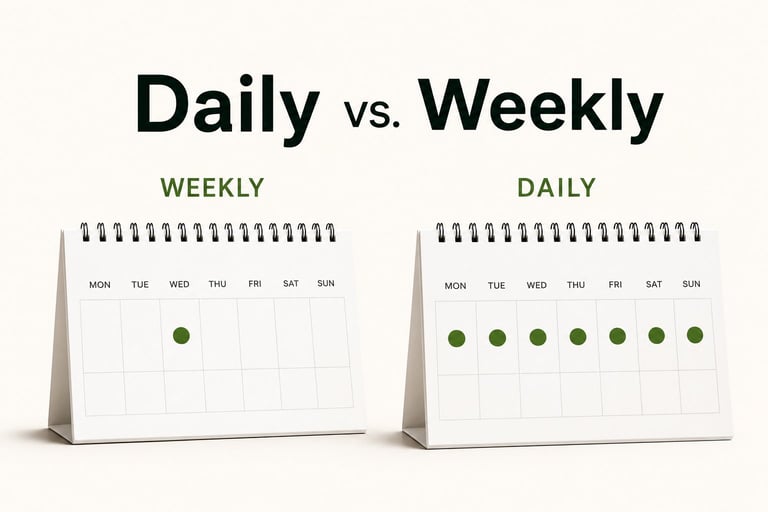
The ideal fertilizer schedule depends on your aquarium. Weekly dosing is often sufficient for many low-tech planted tanks, while high-tech aquariums with CO₂ and faster plant growth may benefit from daily dosing.
Daily dosing often works well for heavily planted, high-tech aquariums with injected CO₂. Weekly dosing is often perfectly adequate for beginner low-tech tanks.
Remember: The important part is following the product instructions while paying attention to how your own plants respond.
Plants often tell you when something is becoming limited. Watch for:
Keep in mind: These symptoms can have several causes, including lighting, CO₂ availability, or water quality — not just fertilizer.
Adding more fertilizer isn't always the answer.
Excess nutrients don't automatically cause algae, but dosing far beyond your plants' needs isn't helpful either.
If you're constantly increasing fertilizer without considering lighting, plant mass, or overall tank balance, you may be making things more complicated than they need to be.
Instead of adding more products, ask:
Balance is everything. See the full stability checklist →
Many aquarists choose to dose fertilizer after a water change because fresh water can dilute nutrients already in the aquarium.
If your fertilizer manufacturer recommends dosing after water changes, that's generally a good routine to follow.
The important part is staying consistent from week to week.
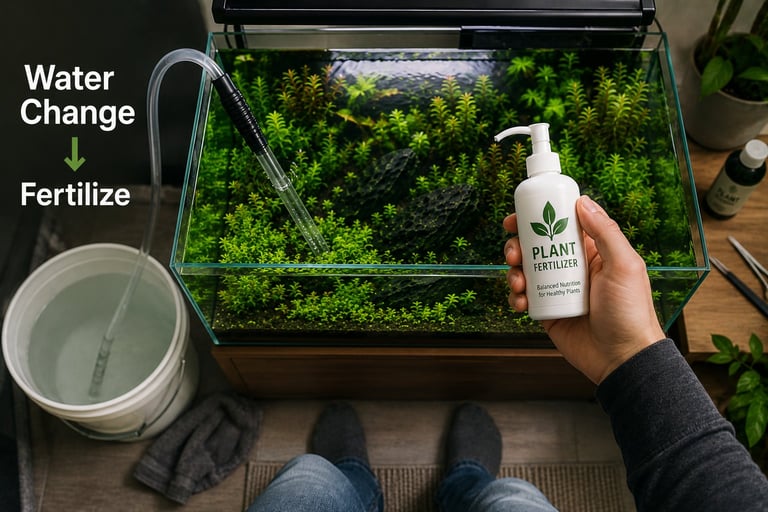
Many planted aquarium hobbyists choose to fertilize after a water change to replenish nutrients that may have been diluted. The most important habit is following a consistent routine that matches your aquarium and fertilizer manufacturer's recommendations.
Not all plants feed the same way.
Best for heavy root feeders like:
Placed beneath the substrate near roots.
Best for water column feeders like:
Absorbed primarily from the water column.
Many planted aquariums use both for the best results.
Fertilizer is only one piece of the puzzle.
Healthy plant growth also depends on:
Many beginners try to solve every plant problem with more fertilizer when the real issue lies elsewhere.
The best fertilizer schedule isn't necessarily the most complicated one.
It's the one you'll actually follow.
Plants thrive on consistency. Small, regular doses paired with stable aquarium conditions often produce better long-term results than constantly changing products or schedules.
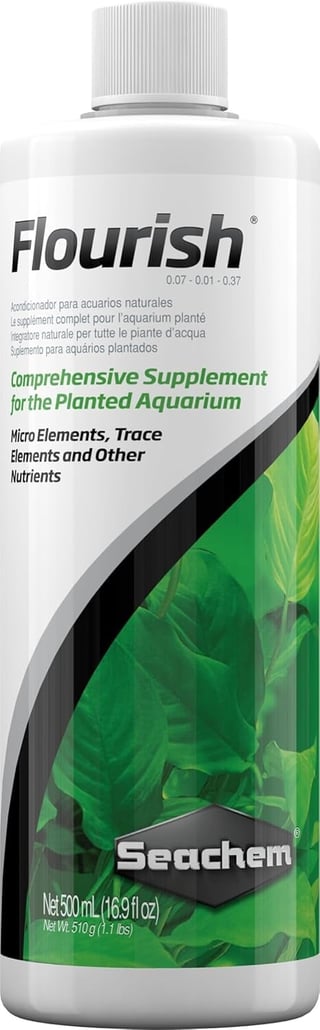
Great for beginner planted tanks, shrimp tanks, low-tech aquariums, and community tanks. A comprehensive blend of micro elements and trace nutrients.
Check PriceAs an affiliate, we may earn a commission from qualifying purchases at no extra cost to you.
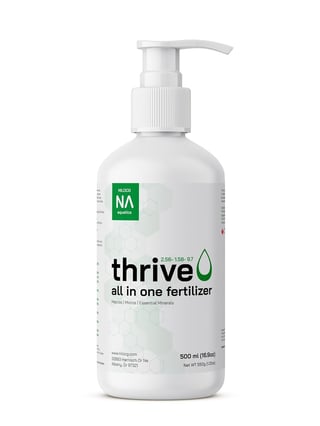
An all-in-one liquid fertilizer that covers both water column feeders and root feeders. Great for shrimp tanks, planted community tanks, self-sustaining aquariums, and heavily planted tanks.
Check PriceAs an affiliate, we may earn a commission from qualifying purchases at no extra cost to you.
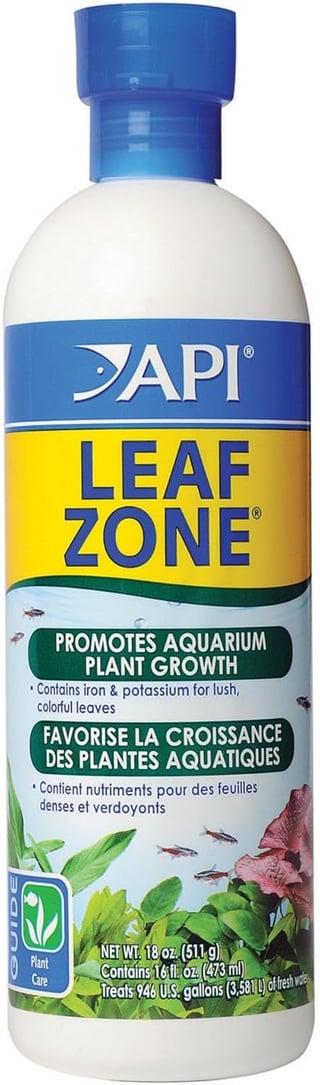
Formulated to promote lush plant growth with bioavailable iron and potassium. Great for Java Fern, Anubias, and low-light plants showing signs of deficiency.
Check PriceAs an affiliate, we may earn a commission from qualifying purchases at no extra cost to you.
Common questions about aquarium fertilizer schedules, answered.
Follow the manufacturer's instructions and observe your plants. Many beginner low-tech aquariums do well with once- or twice-weekly dosing.
Some fertilizers are designed for daily dosing, particularly in high-tech planted aquariums. Beginners usually don't need daily dosing unless the product specifically recommends it.
Many hobbyists do because water changes dilute nutrients. Check the directions for your fertilizer and keep your routine consistent.
Algae is usually caused by an imbalance rather than fertilizer alone. Lighting, plant health, nutrient availability, and aquarium stability all work together.
Most planted aquariums benefit from supplemental nutrients over time, especially as plants grow and consume available nutrients.
Macro fertilizers provide nitrogen (N), phosphorus (P), and potassium (K) — the nutrients plants need in large amounts. Micro fertilizers supply trace elements like iron, manganese, and zinc that plants need in smaller quantities. Most all-in-one fertilizers include both.
Common signs include sudden algae blooms (especially green water or hair algae), melting or browning leaf tips, cloudy water, and stressed fish gasping at the surface. If you notice these, pause dosing and do a partial water change to reset nutrient levels.
It depends on your plants. Heavy root feeders like Amazon Swords and Cryptocorynes benefit most from root tabs placed in the substrate. Column feeders like stem plants and floating plants absorb nutrients directly from the water and do better with liquid fertilizers. Many planted tanks use both.
Yes, missing an occasional dose won't harm your plants. Consistency matters more than perfection — plants store nutrients and can handle small gaps. Just get back on schedule the next day rather than doubling the dose to "catch up."
Most liquid aquarium fertilizers have a shelf life of 1–2 years after opening. Signs of expired fertilizer include a foul smell, mold growth, or precipitate settling at the bottom that won't dissolve when shaken. Store bottles in a cool, dark place to extend their life.
Still have questions about your fertilizer routine?
Get the free checklist for more guidance →Want healthier plants with fewer algae problems? Download the FREE checklist and learn the key principles behind balanced planted aquariums that become easier to maintain over time.
Whether you're just starting your first planted tank or looking to improve an existing one, the checklist will help you identify common stability issues before they become bigger problems.
Free • Instant Access • Beginner Friendly
Dive deeper into aquarium plant care and maintenance.
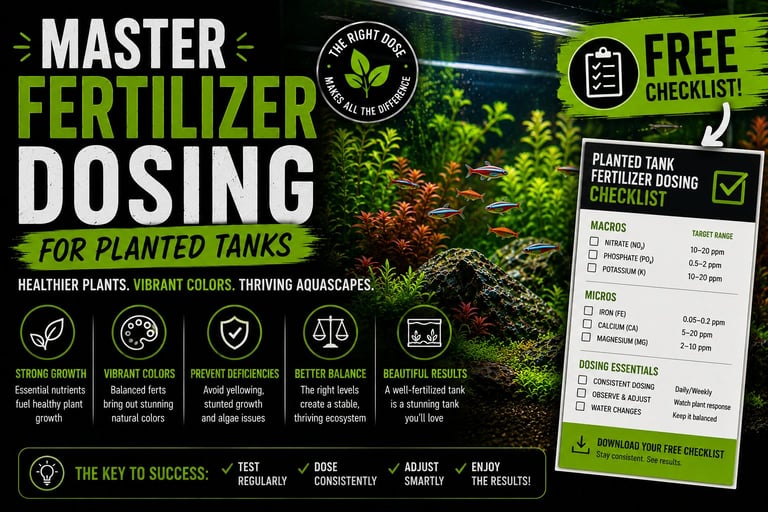
Master plant nutrition with precise dosing schedules and troubleshooting techniques.
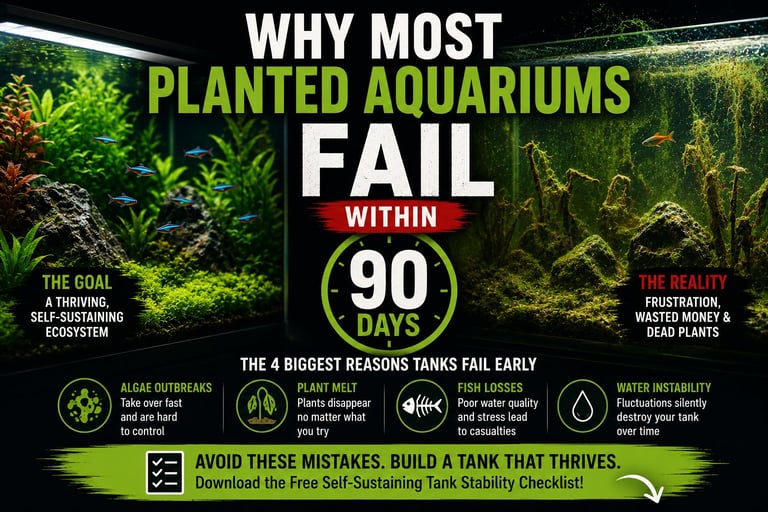
Discover why most tanks crash in the first 90 days and how to avoid it.
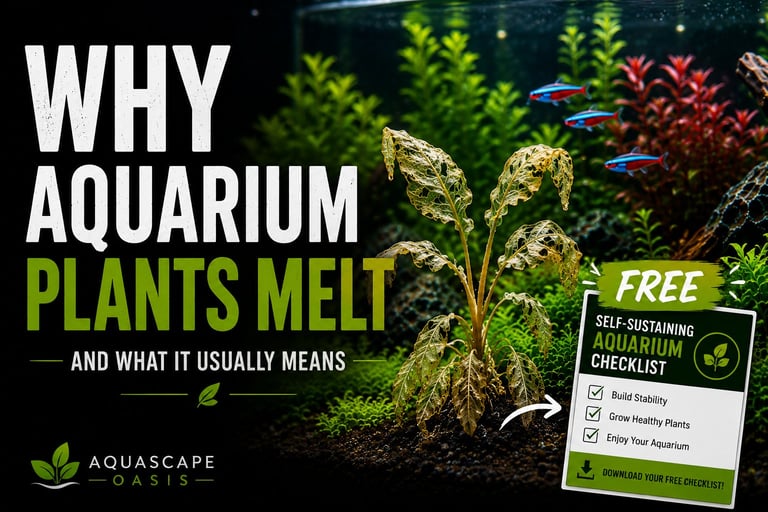
Learn the real reasons plants melt and why it's often part of a healthy adaptation process.
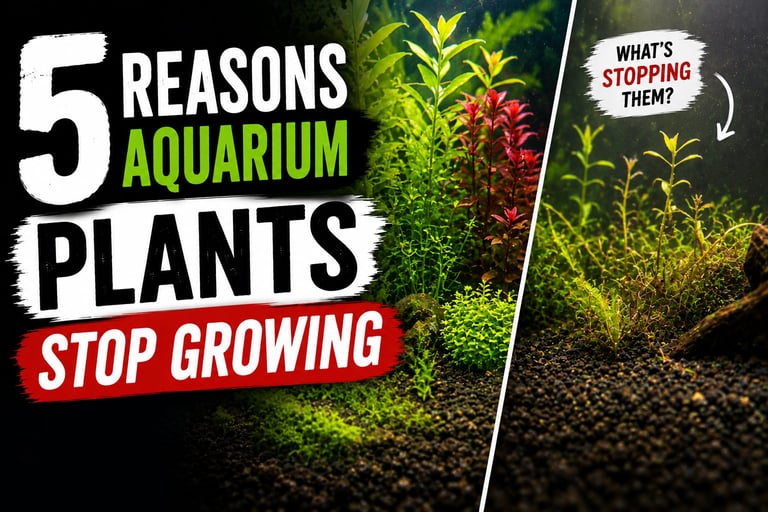
Identify what's stalling your plant growth and how to get your planted tank thriving again.