Planted Aquarium Problems
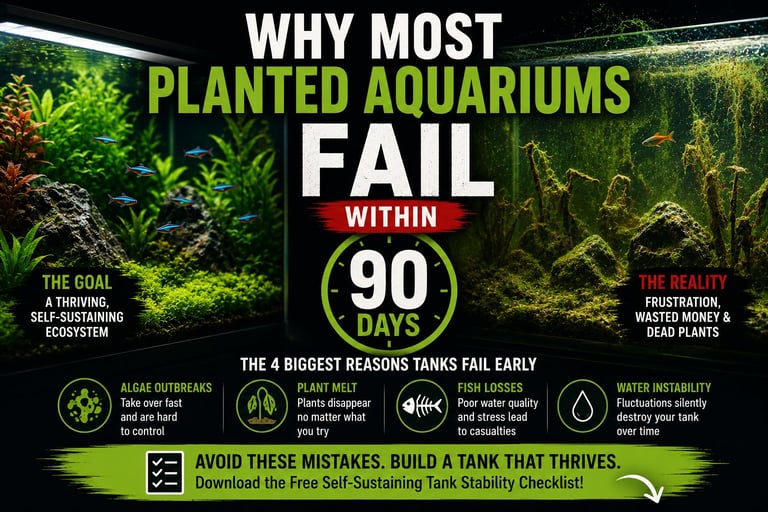
Why Most Planted Aquariums Fail Within 90 Days
The truth about plant melt, algae outbreaks, and water instability that catches most new hobbyists off guard.
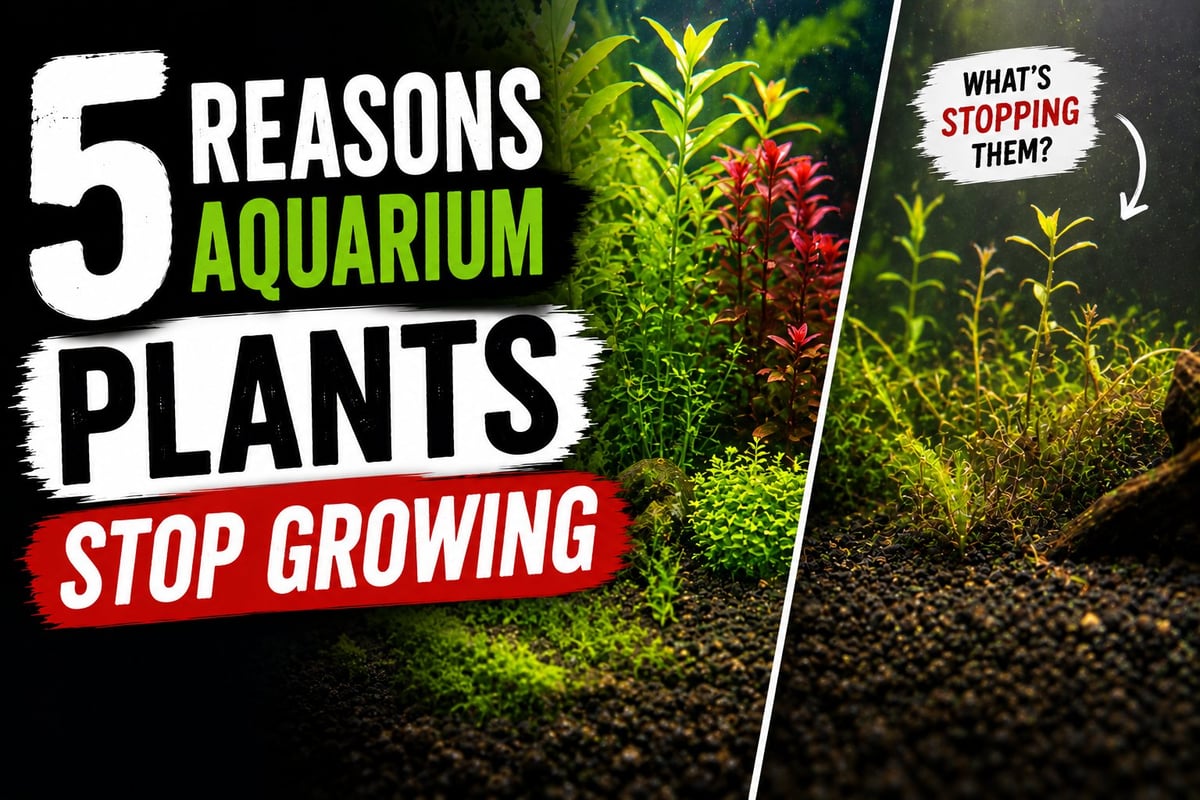
Wondering why your aquarium plants stopped growing? Learn five common causes of slow or stalled plant growth and why stability is critical for planted tank success.
Aquascape Oasis Team
Planted Tank Specialists
Don't let your aquarium plants decline without understanding why. Download our free checklist covering the key stability factors most aquarists overlook — so your planted tank thrives long-term.
Send Me the ChecklistFew things are more frustrating than watching aquarium plants thrive for weeks or months, only to suddenly stop growing.
New leaves stop appearing. Growth slows dramatically. Colors begin fading. And before long, the aquarium starts looking less healthy than it once did.
If you've been searching for answers because your aquarium plants stopped growing, you're not alone. Plant growth issues are one of the most common challenges aquarium hobbyists face.
The good news is that plants usually provide clues when something in the aquarium ecosystem has changed. Let's look at five common reasons aquarium plants stop growing. Related: 7 signs your aquarium plants are struggling and why aquarium plants melt (and how to prevent it).
Healthy plant growth depends on balance. When conditions within the aquarium begin shifting, plants are often among the first organisms to respond. This imbalance can develop gradually and may not be obvious at first.
Common warning signs include:
Many hobbyists focus on individual problems while overlooking the larger ecosystem. In reality, plant health is often closely tied to overall aquarium stability.
Plants rely on light to grow. Even small changes in lighting can affect plant development over time.
Examples include:
Plants generally respond best when lighting remains consistent. When lighting conditions become unpredictable, growth may slow or stop altogether.
As aquariums mature, plants compete for available resources. Fast-growing species may begin dominating slower-growing plants.
This can result in:
Many aquariums appear healthy on the surface while certain plants quietly struggle underneath the canopy. Observing individual plant performance can often reveal issues before they become severe.
Download our free checklist covering the key stability factors most aquarists overlook. Catch issues early before your plants show signs of decline.
Send Me the Free ChecklistPlants prefer stability. Unfortunately, many aquariums experience repeated disruptions.
Examples include:
While individual changes may seem harmless, the cumulative effect can create stress that impacts plant growth. Healthy ecosystems often support healthier plants because conditions remain predictable.
One of the most overlooked reasons aquarium plants stop growing is that the ecosystem is still developing.
New aquariums often experience periods of:
During these stages, plant growth may fluctuate. Some species thrive immediately. Others require more time to establish themselves.
Patience is frequently an important part of successful planted aquarium keeping.
The difference between struggling plants and thriving ones often comes down to stability. Get our free checklist and learn what makes a planted aquarium truly self-sustaining.
Send Me the Free ChecklistPlants often reveal problems before fish or shrimp show symptoms. Because plants are stationary, they continuously respond to their environment.
Changes in growth patterns can signal:
This is one reason many experienced aquarists pay close attention to plant growth trends. Healthy plants often indicate a healthy aquarium.
When plants stop growing, many aquarium owners immediately start changing things.
They may:
Unfortunately, multiple changes at once can make it difficult to identify the real cause. In some cases, additional adjustments create even more instability. Successful planted tanks are often built on consistency rather than constant experimentation.
One important thing to remember is that plant decline usually happens gradually. The warning signs often appear long before plants completely stop growing.
Pay attention to:
Early detection often provides valuable insight into the health of the aquarium ecosystem.
Many hobbyists focus exclusively on individual plants. Experienced aquarists often focus on the ecosystem as a whole.
When the aquarium becomes healthier, plants frequently respond with:
This is why long-term success often begins with stability.
The healthiest planted aquariums are rarely built through constant intervention. Instead, they develop through:
When these factors come together, plants often reward hobbyists with strong, consistent growth.
Common questions about why aquarium plants stop growing and what you can do about it.
More guides to help you build a thriving planted aquarium.
The truth about plant melt, algae outbreaks, and water instability that catches most new hobbyists off guard.
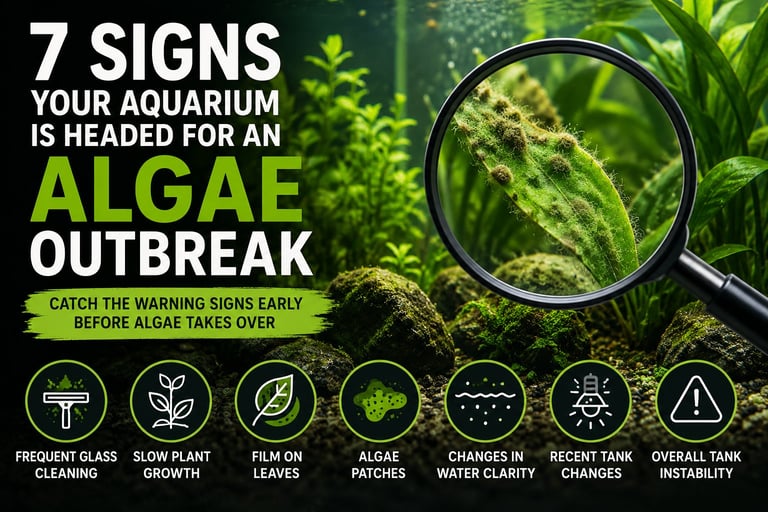
Learn to spot the early warning signs weeks before algae becomes a major problem.
Want to build a healthier aquarium that supports thriving plant growth? Download our Free Self-Sustaining Tank Stability Checklist and learn the key factors successful aquarists monitor when creating stable ecosystems.
The checklist helps you identify common stability issues before they lead to plant melt, algae outbreaks, fish stress, or stalled plant growth.
Healthier Plants
Tank Stability
Consistent Growth
No spam, ever. Just the checklist and helpful aquarium tips.