Shrimp Care Guide
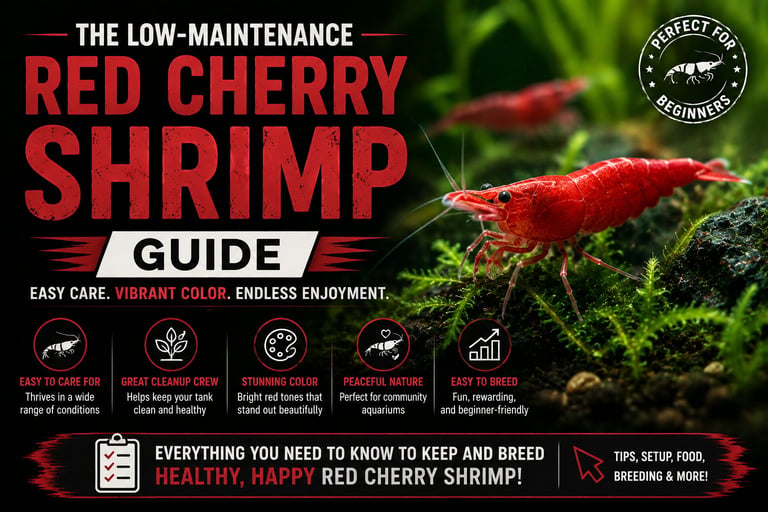
The Low-Maintenance Red Cherry Shrimp Guide
Learn the simple, proven methods for keeping thriving cherry shrimp colonies with minimal effort.
Read Article
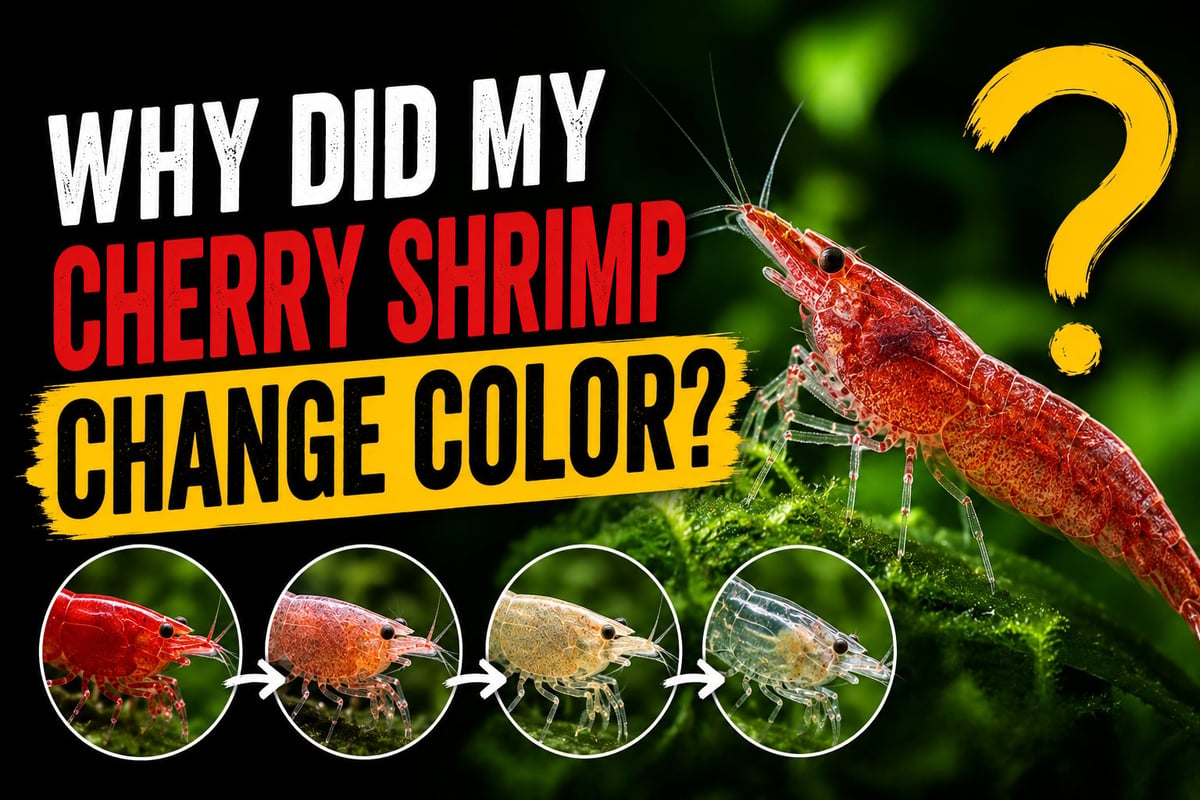
Did your bright red cherry shrimp suddenly turn pale, pink, transparent, or white? Learn the most common reasons cherry shrimp change color and when it's actually a cause for concern.
Aquascape Oasis Team
Shrimp & Planted Tank Specialists
Cherry shrimp can change color and appear pale, white, transparent, or less vibrant due to factors such as stress, molting, age, genetics, and environmental changes.
Sometimes, yes.
Cherry shrimp are surprisingly dynamic little creatures.
Their color can be influenced by:
A color change doesn't automatically mean your shrimp are sick.
The key is to look at the bigger picture. Are they still active? Are they eating? Are they behaving normally? Those clues are often just as important as the color itself.
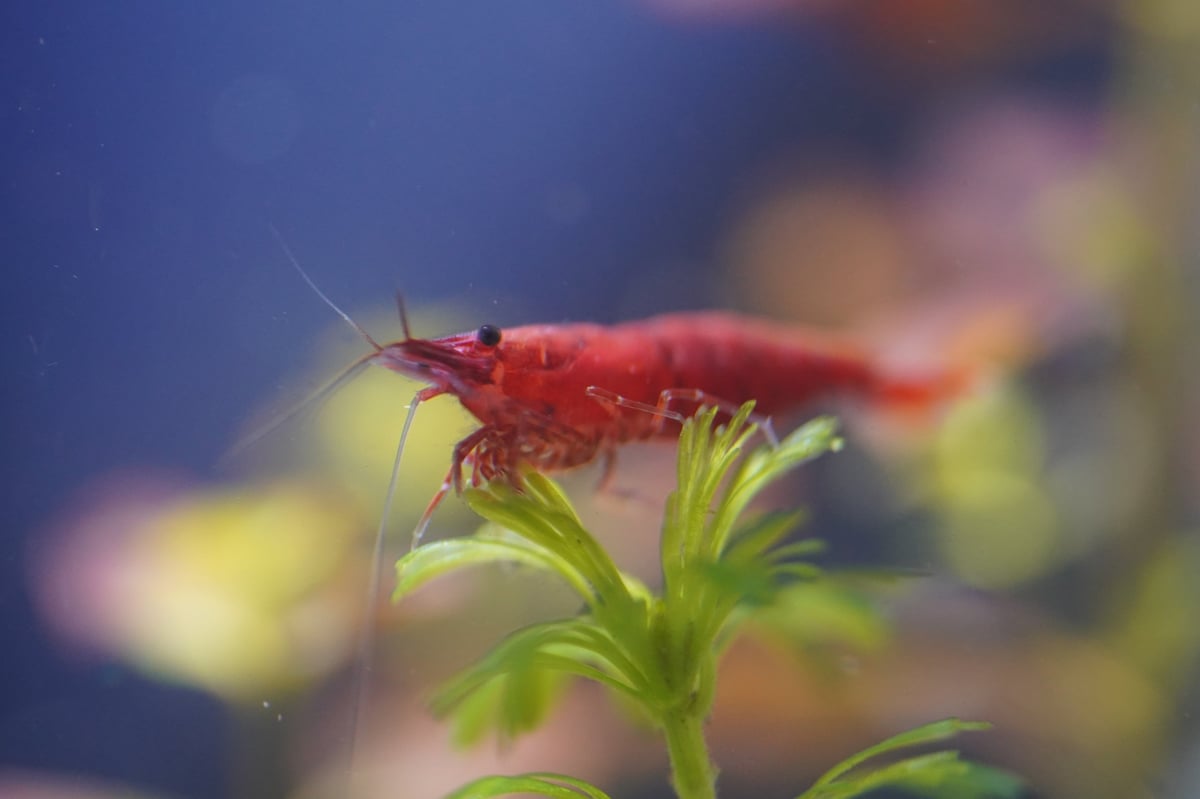
Even healthy cherry shrimp can display a wide range of coloration depending on genetics, age, and environment
Shrimp can become lighter in color when something changes in the aquarium.
Examples include:
Many shrimp temporarily lose some color when they're stressed. The good news is that healthy shrimp often regain their color once they settle back into a stable environment.
Stability is the antidote to stress. Grab our free stability checklist →
This one scares a lot of beginners. You buy beautiful red shrimp, and a few weeks later they suddenly look almost clear.
In many cases, this is related to genetics. Not all cherry shrimp have the same level of coloration.
Some shrimp naturally display:
Young shrimp can also appear less colorful than adults. As they mature, coloration may improve.
Transparent coloration doesn't automatically mean something is wrong.
Genetics vs. Environment: Not sure what's causing the change? Our free checklist helps you rule out common triggers. Get it here
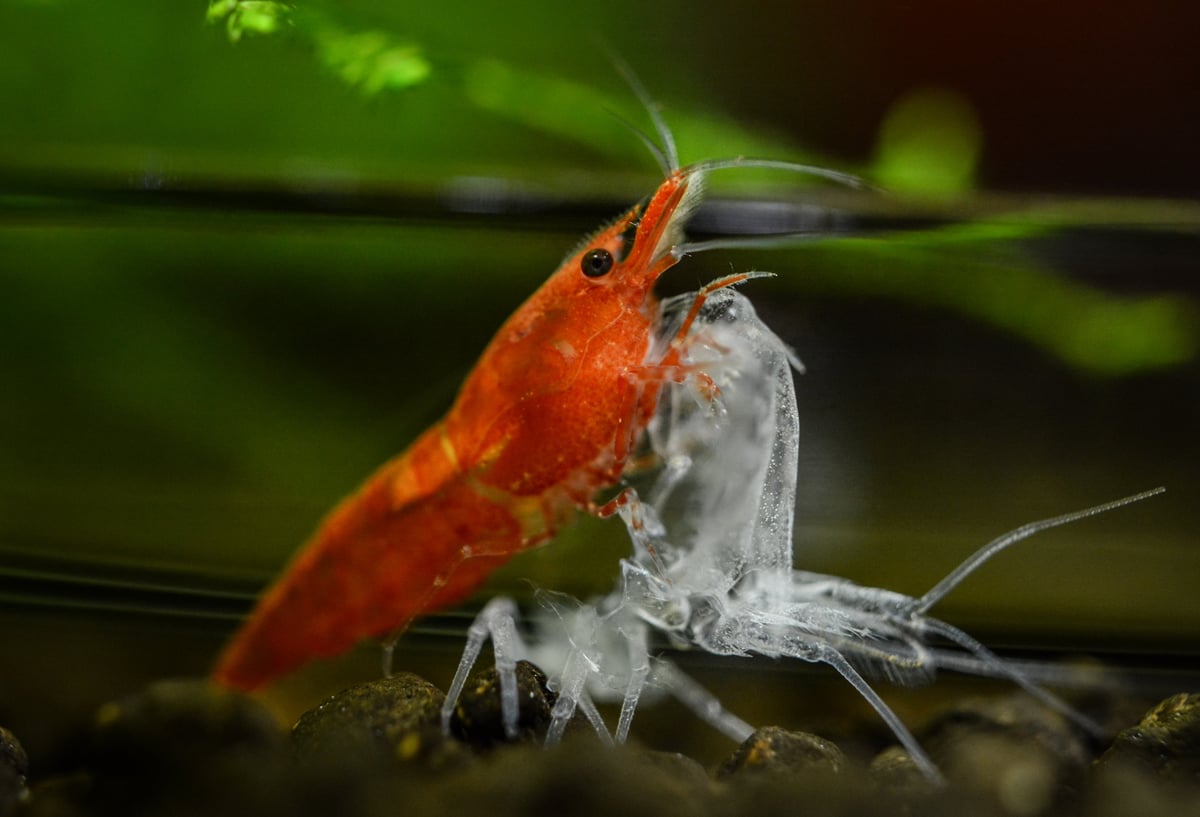
This question causes a lot of panic. Sometimes a shrimp simply appears lighter than usual. Other times, whitening may occur during normal biological processes.
Cherry shrimp often look different before and after molting.
You may notice:
Molting is a normal part of a shrimp's life. Because shrimp are replacing their exoskeleton, temporary color changes can happen. Many shrimp regain their normal appearance afterward.
New aquariums can sometimes produce unpredictable shrimp behavior.
New tanks often have:
Because of this, shrimp may appear less colorful, more stressed, and more inconsistent. Many hobbyists notice that shrimp coloration improves as the aquarium matures. Stable ecosystems often lead to healthier, more predictable behavior.
Want a stable tank faster? Grab the free checklistBelieve it or not, the environment can influence how shrimp appear.
Shrimp may look different depending on:
A shrimp that looked bright red in one tank may appear darker or lighter in another. This doesn't necessarily mean the shrimp changed health. Sometimes the surroundings simply make the colors appear different.
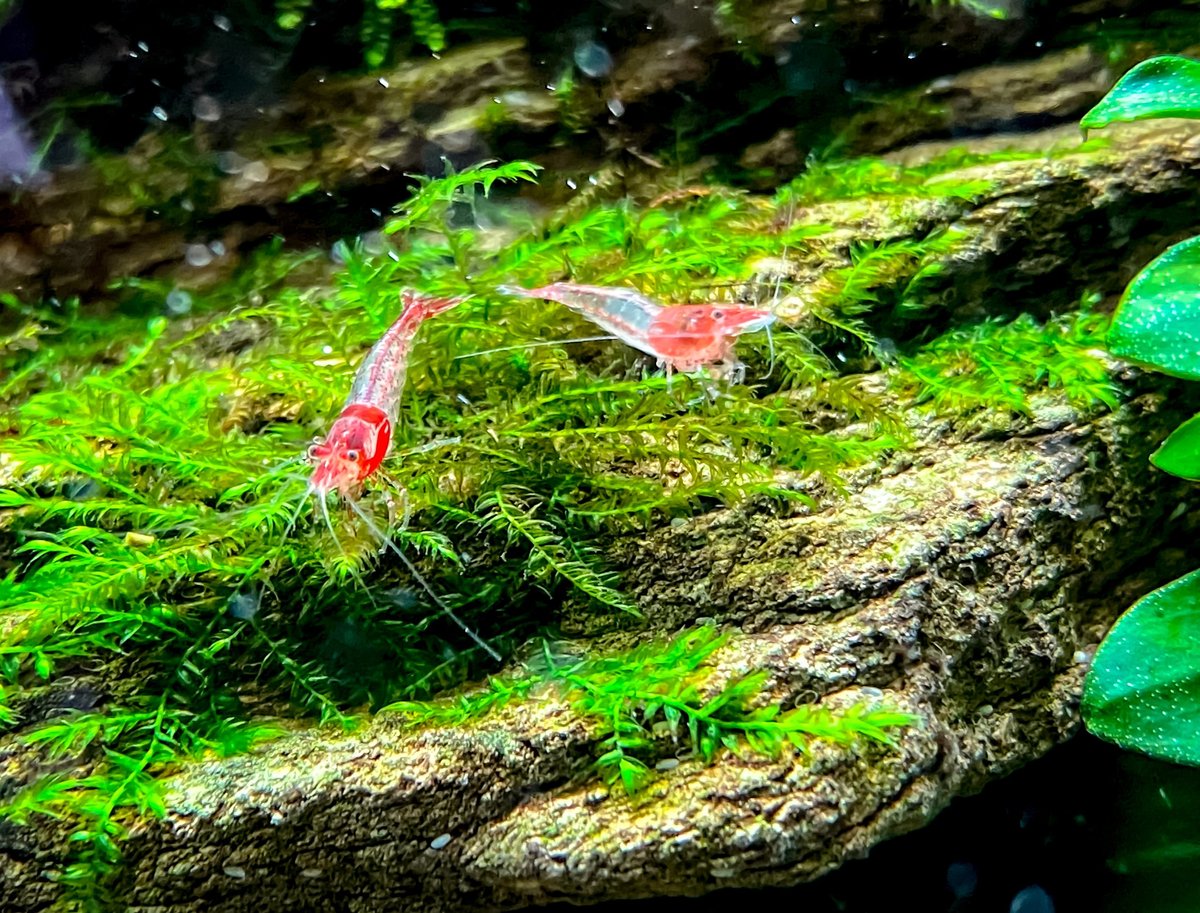
Cherry shrimp can change color as they age.
Some become:
Others may become:
Just like people, shrimp change over time. Aging alone doesn't automatically indicate a problem.
Most color changes are not emergencies. However, it's worth paying closer attention if color changes occur alongside other issues.
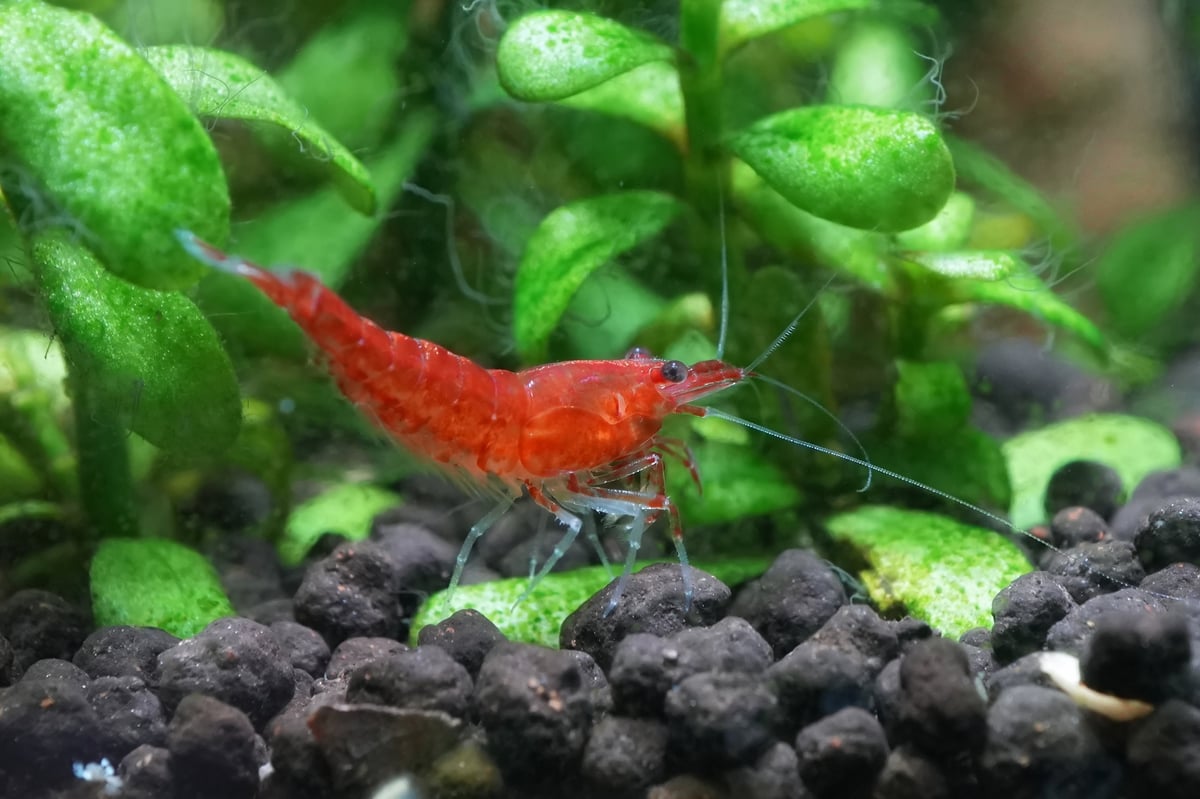
Color is only one piece of the puzzle. Behavior often tells us much more.
Download the free shrimp care checklist — 7 signs your tank is on track
One thing many experienced shrimp keepers notice is that stable, mature ecosystems often seem to produce healthier-looking shrimp.
These aquariums frequently provide:
As ecosystems mature, shrimp often become more comfortable, more active, and more consistent in appearance. This is one reason self-sustaining shrimp tanks can be so rewarding — the ecosystem itself begins supporting healthier livestock.
Ready to build a mature ecosystem? Discover how self-sustaining tanks create the perfect environment for vibrant shrimp.
Self-Sustaining Aquariums ExplainedThe moment shrimp change color, many hobbyists immediately start buying products, changing routines, rearranging the aquarium, and chasing solutions.
Ironically, these sudden changes can sometimes create more instability.
Instead, ask yourself:
Most of the time, the answer is less dramatic than you think.
Seeing your cherry shrimp change color can definitely be scary. But in many cases, they're simply molting, adjusting to a new environment, experiencing temporary stress, growing and aging, or showing natural variation. Healthy shrimp occasionally do strange things.
The goal isn't to panic every time their color changes. The goal is to understand what is normal and recognize when something truly deserves attention. Over time, you'll learn your colony's personalities and what normal coloration looks like in your aquarium. And honestly, that's one of the most enjoyable parts of keeping cherry shrimp.
Download Free Stability ChecklistCommon questions about cherry shrimp color changes
Go deeper into cherry shrimp keeping and aquarium stability
Learn the simple, proven methods for keeping thriving cherry shrimp colonies with minimal effort.
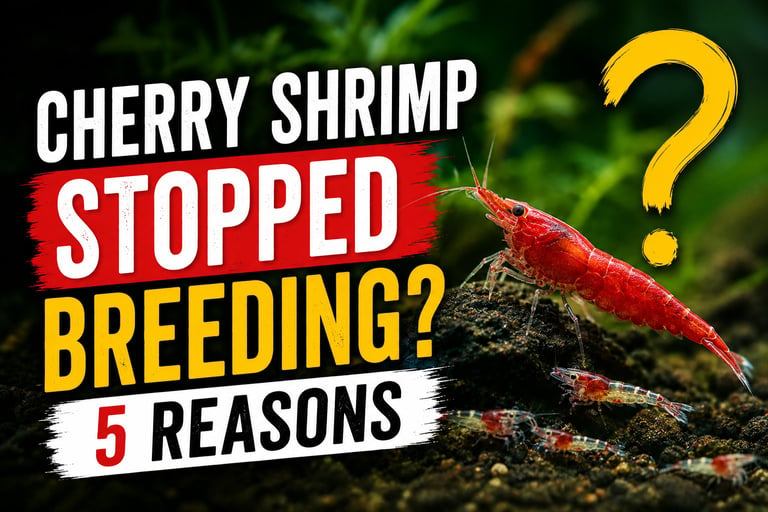
Learn the common reasons colonies stop reproducing and what you can do to encourage healthy population growth.