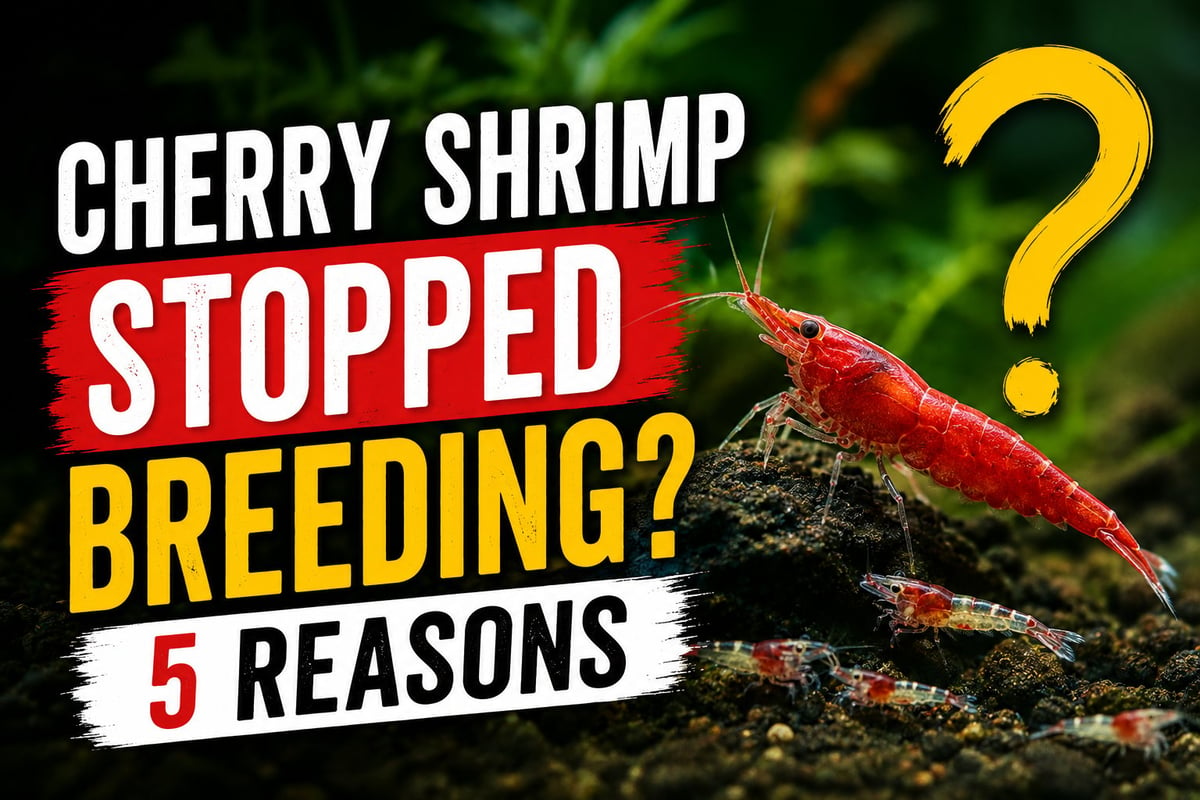
Did your cherry shrimp suddenly stop breeding? Learn five common reasons colonies stop reproducing and what you can do to encourage healthy, long-term population growth.
Aquascape Oasis Team
Shrimp & Planted Tank Specialists
Cherry shrimp colonies sometimes stop breeding due to changes in stability, food availability, biological maturity, or environmental conditions within the aquarium.
Yes.
Cherry shrimp colonies don't always reproduce at the same pace forever.
You may experience periods where:
Sometimes the colony simply goes through natural ups and downs.
Sometimes the colony simply goes through natural ups and downs.
Other times, there's an underlying reason. Understanding the difference can save you a lot of stress. See also 3 mistakes that stress cherry shrimp and the most common cause of cherry shrimp deaths.
Related: How Aquarium Stability Affects Everything in Your Tank → | 5 Reasons Cherry Shrimp Aren't Reproducing →
This is one of the biggest reasons shrimp colonies slow down.
Cherry shrimp love consistency.
They generally prefer:
Breeding often slows when the aquarium experiences:
Many hobbyists accidentally create instability while trying to improve the tank. Ironically, shrimp often breed best when we leave a healthy aquarium alone.
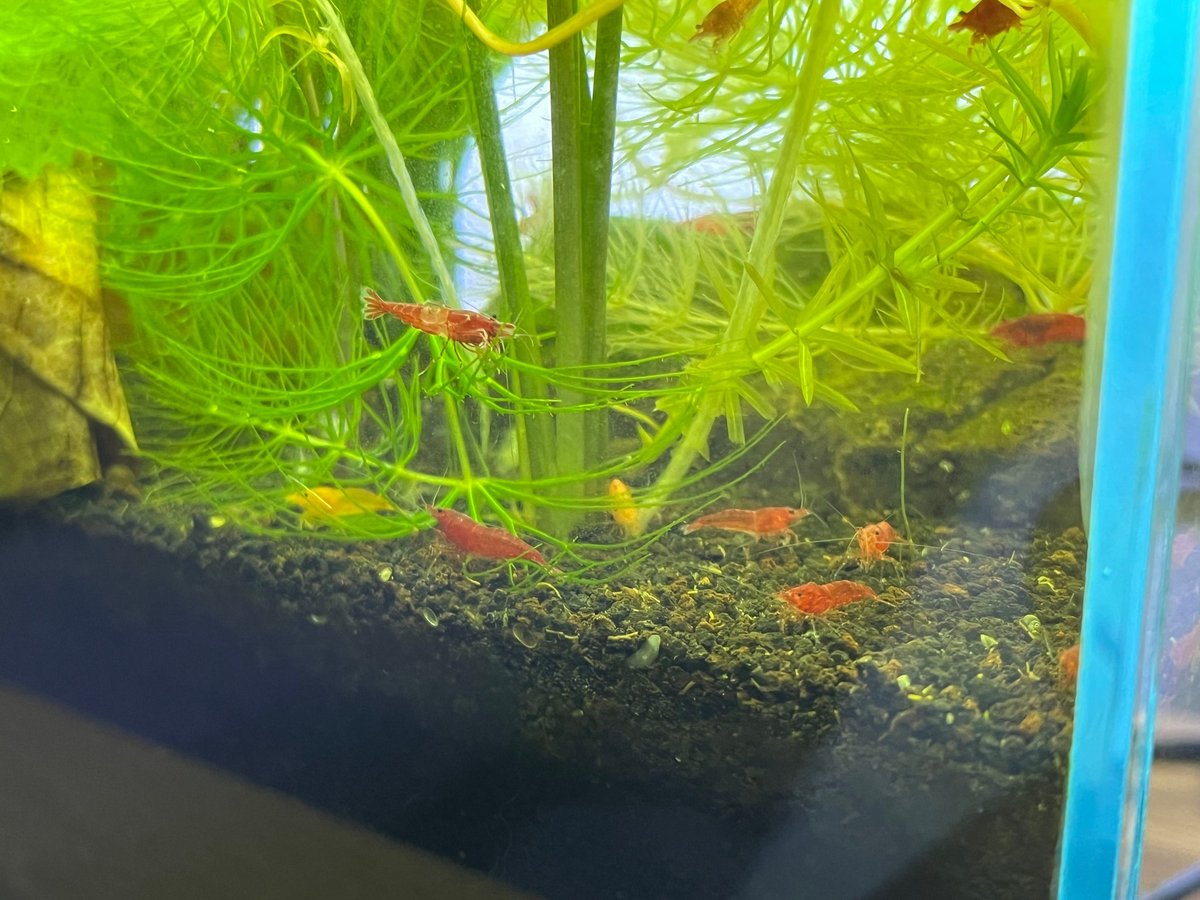
A stable, well-planted aquarium with neocaridina shrimp actively grazing — predictable environments encourage natural breeding behavior.
Stable aquariums frequently produce more predictable breeding results.
Deep Dive: Learn how self-sustaining ecosystems naturally stabilize and why that matters for breeding.
Read: Self-Sustaining Aquariums ExplainedBaby shrimp and breeding colonies rely heavily on natural food sources.
Mature aquariums often develop:
These natural foods can play an important role in supporting growing shrimp colonies.
Sometimes breeding slows because the aquarium has changed in ways that reduce available grazing opportunities. This is one reason mature, heavily planted aquariums often seem to breed shrimp more successfully.
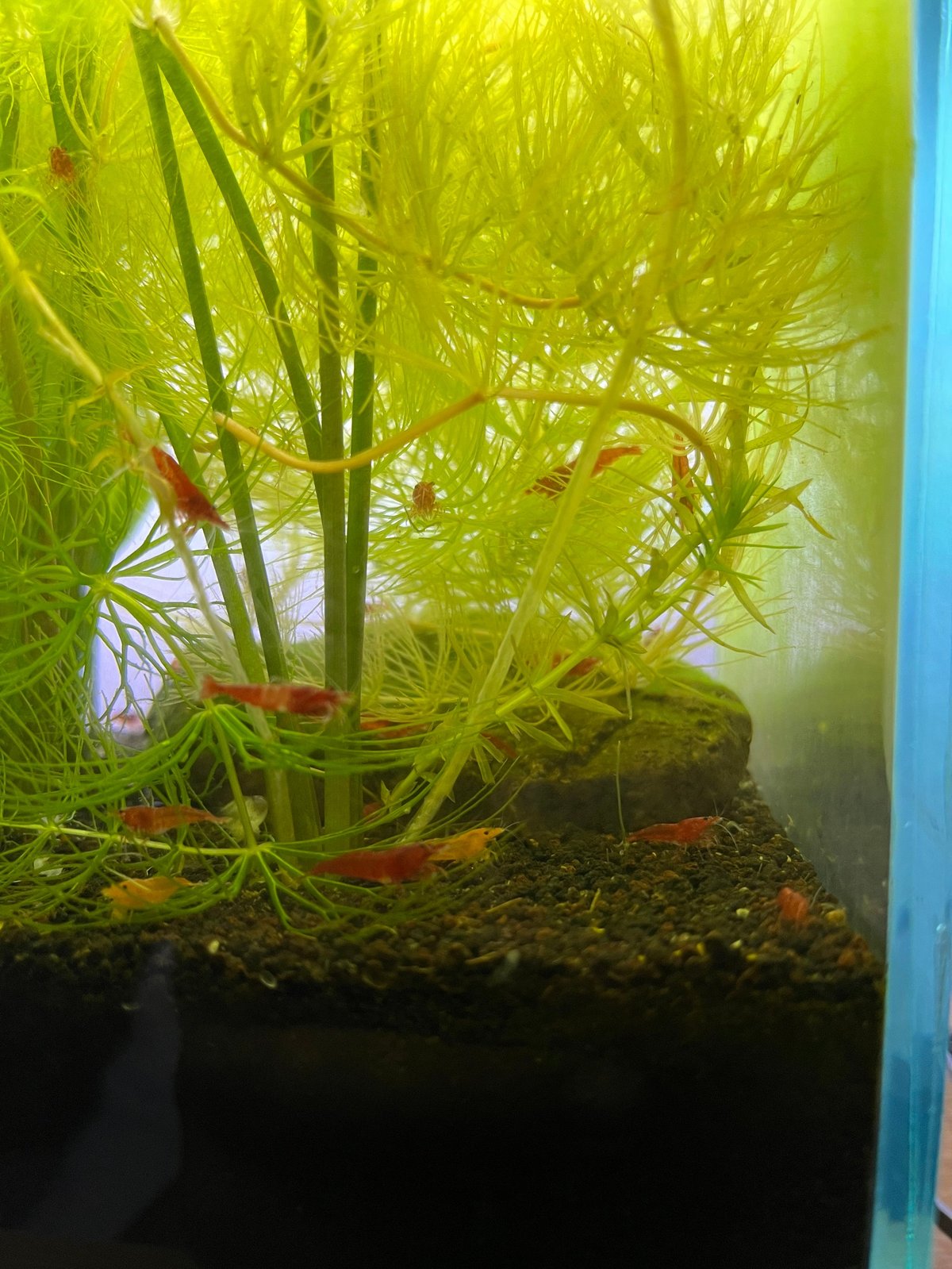
Neocaridina shrimp actively foraging on biofilm and natural food sources in a mature planted aquarium.
Shrimp are excellent grazers and often benefit from ecosystems that have developed natural food sources.
Related: What Is Aquarium Biofilm & Why It's Critical for Shrimp →
This one surprises a lot of beginners.
Cherry shrimp don't live forever. If your colony was booming several months ago and suddenly slows down, it may simply be getting older.
Over time:
This doesn't mean your colony is dying. It simply means colonies can change over time. Many shrimp tanks experience waves of population growth rather than constant expansion.
Aging colonies are normal and can often rebound once new generations establish themselves.
Wondering about colony growth? See what a thriving colony looks like.
Shrimp Colony Growth GuideThis sounds backward. Wouldn't more maintenance make shrimp happier?
Not always. Many experienced shrimp keepers discover that shrimp often thrive when conditions remain predictable.
Sometimes excessive maintenance can create:
Examples include:
Healthy shrimp colonies often do best in aquariums that have settled into a consistent rhythm.
Sometimes the best thing you can do is allow the ecosystem time to mature.
Related: 7 Aquarium Maintenance Mistakes That Hurt Shrimp Colonies →
One of the biggest secrets of shrimp keeping is that mature aquariums often perform differently than newer ones.
Over time, healthy ecosystems develop:
Many successful shrimp breeders notice that mature tanks often seem easier to maintain and more productive. The ecosystem itself begins supporting the colony.
Newer tanks may not yet have developed these characteristics.
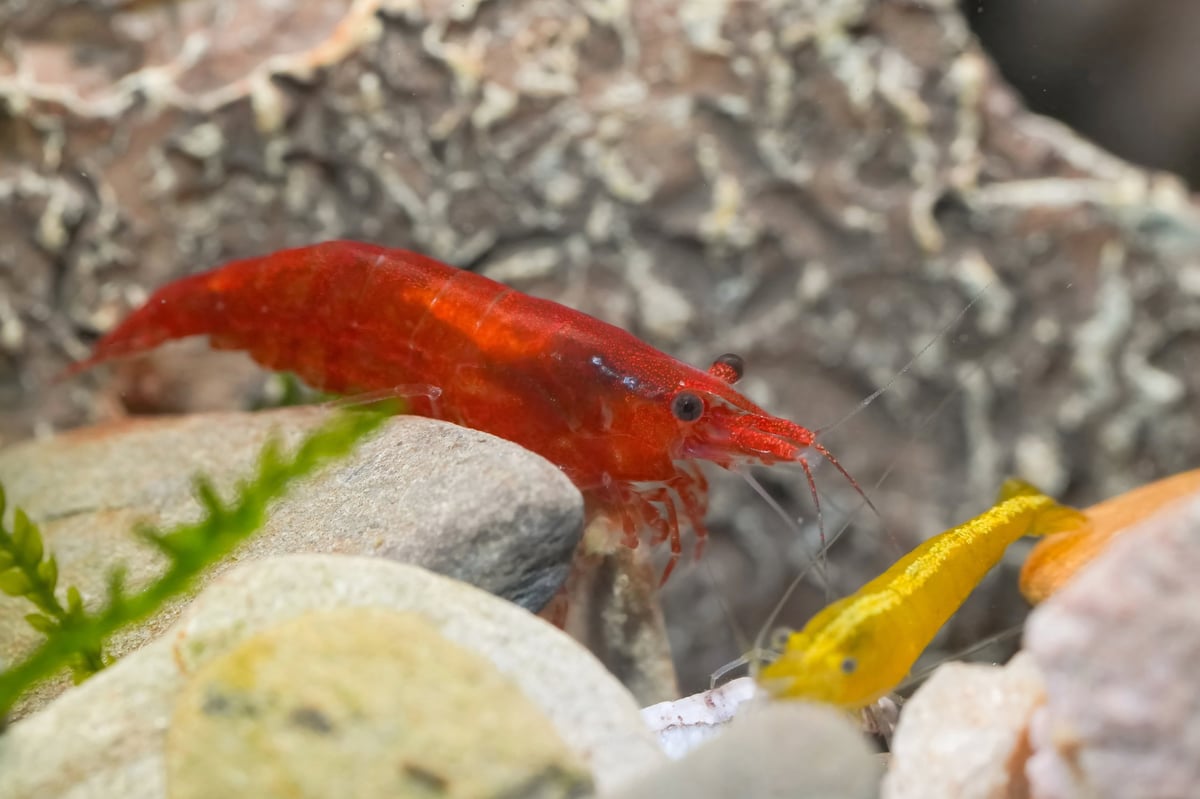
Neocaridina shrimp thriving among plants and rocks in a mature, stable aquarium ecosystem.
Patience often becomes one of the most important tools in shrimp keeping.
Ready to build a mature ecosystem? Discover how self-sustaining tanks create the perfect breeding environment.
Self-Sustaining Aquarium Setup GuideUsually, a breeding slowdown isn't an emergency.
However, it's worth paying attention if:
Look at the entire picture rather than focusing only on breeding. Shrimp often give us clues through changes in their overall behavior.
The moment breeding slows, many hobbyists immediately start:
Unfortunately, this can create even more instability.
Instead, ask yourself:
Want a simpler approach? Grab our free checklist that walks you through tank stability step by step.
Download the Free Stability ChecklistOne thing many shrimp keepers notice is that older, stable ecosystems often produce the healthiest colonies.
These aquariums frequently provide:
As ecosystems mature, shrimp often become more comfortable and breeding may become more consistent. This is one reason self-sustaining shrimp tanks are so appealing — the aquarium begins doing more of the work.
If your cherry shrimp suddenly stopped breeding, it doesn't necessarily mean something is wrong.
Sometimes the colony simply needs:
Healthy shrimp colonies often go through periods of rapid growth followed by temporary slowdowns.
The goal isn't to force breeding. The goal is to build an ecosystem where shrimp feel comfortable enough to do what shrimp naturally do. And sometimes, that simply means letting the tank settle and allowing nature to work.
Learn what a healthy, thriving cherry shrimp colony looks like →
Quick answers to common questions about cherry shrimp breeding and colony growth.
Sudden breeding stoppage usually indicates a change in aquarium conditions — whether stability, food availability, or environmental factors. Rather than making multiple changes at once, try to identify what may have shifted recently and address one factor at a time.
Focus on stability first. Maintain consistent routines, avoid frequent changes, and allow the ecosystem to mature naturally. Many shrimp keepers find that breeding resumes once the aquarium settles into a predictable rhythm and natural food sources become established.
Yes, it's completely normal. Colonies often experience waves of population growth followed by natural slowdowns. These pauses don't necessarily indicate a problem — they can simply reflect the colony's natural rhythm or the ecosystem going through different stages of development.
Recovery time varies depending on the underlying cause. Once stable conditions are restored, shrimp often begin showing signs of renewed breeding activity within a few weeks to a couple of months. Patience is key — forcing changes usually delays the process further.
Still have questions? Browse all of our cherry shrimp guides in one place.
Complete Cherry Shrimp Care GuideWant to build a shrimp tank with healthier colonies and more predictable breeding? Download our Free Self-Sustaining Tank Stability Checklist and learn the key factors successful aquarists monitor when creating stable ecosystems. The checklist helps you identify common stability issues before they lead to shrimp stress, population declines, or recurring aquarium problems.
Get Your Free ChecklistNo spam, unsubscribe anytime