3 Mistakes That Stress Cherry Shrimp | Aquascape Oasis
Cherry Shrimp Stress

3 Mistakes That Stress Cherry Shrimp

Cherry shrimp are often marketed as hardy, beginner-friendly aquarium inhabitants — but small stressors you don't even notice can keep your colony from truly thriving.

Aquascape Oasis Team

Shrimp Keeping Specialists

8 min read
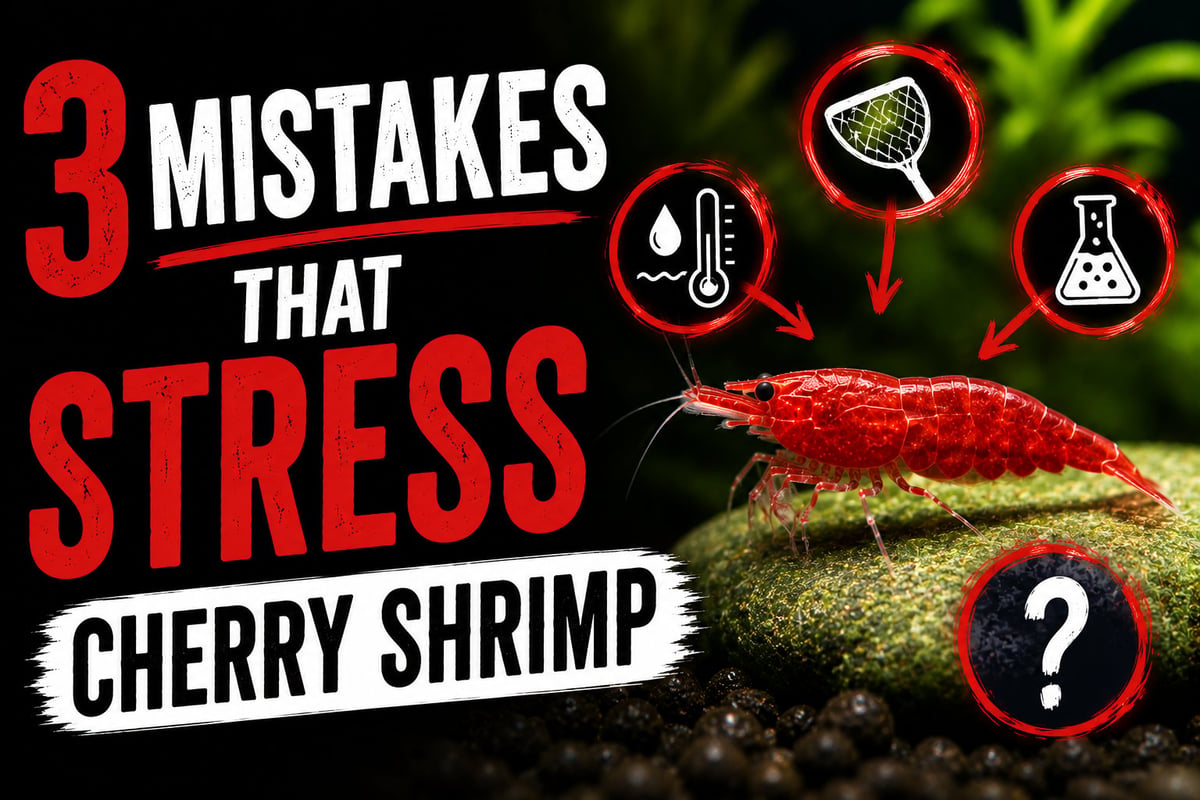
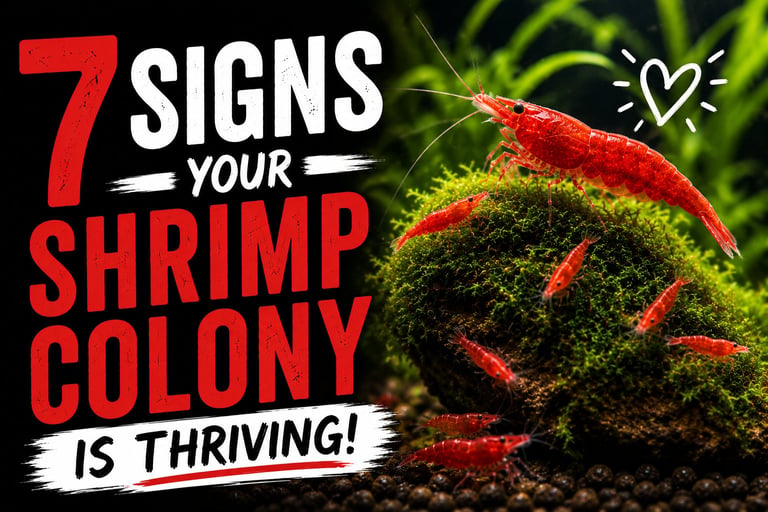
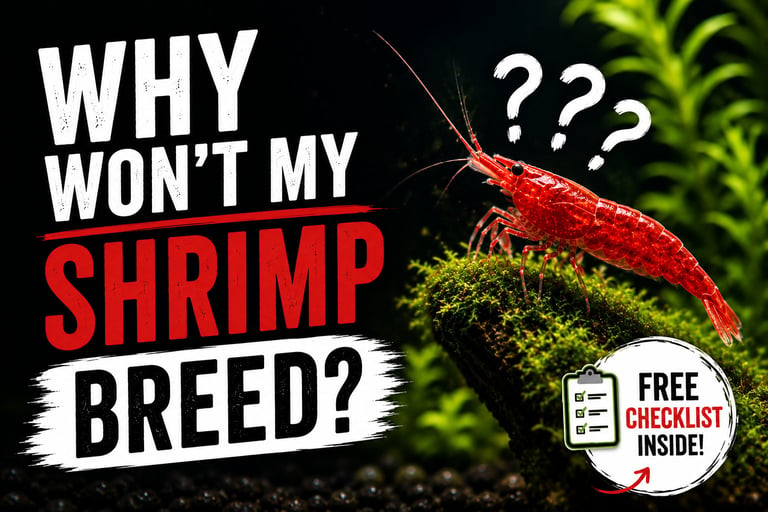
Fire red cherry shrimp in a planted freshwater aquarium, illustrating the vibrant health of a well-cared-for Neocaridina shrimp colony
Get the Free Checklist

A healthy cherry shrimp actively grazing — the opposite of a stressed shrimp that hides constantly.

Want to build a healthier aquarium that reduces stress and supports thriving cherry shrimp? Download our free checklist covering the key stability factors successful shrimp keepers monitor.

Send Me the Checklist

Why Stress Matters for Cherry Shrimp

Cherry shrimp are often marketed as hardy, beginner-friendly aquarium inhabitants. And compared to many aquatic species, they can be surprisingly resilient.

However, that doesn't mean they're immune to stress. In fact, many shrimp colonies struggle because of small stressors that aquarium owners don't even realize are occurring.

The tricky part is that stressed cherry shrimp don't always display obvious symptoms. Instead, stress may show up as reduced activity, increased hiding, slower colony growth, poor reproduction, or unexplained losses.

Many hobbyists focus on keeping shrimp alive. But thriving shrimp and surviving shrimp aren't always the same thing. A colony can survive while still experiencing ongoing shrimp stress that affects breeding success, activity levels, and overall health.

This is one reason successful shrimp keepers often focus on creating stable environments rather than simply preventing deaths. When the ecosystem becomes healthier, shrimp frequently respond with better activity, improved breeding, and stronger colony growth.

1

Constantly Changing the Aquarium

Many aquarium owners make frequent adjustments in an effort to improve their tanks. Examples include rearranging hardscape, changing maintenance routines, adjusting parameters, modifying equipment, and frequently adding new products.

The problem? Every change affects the aquarium ecosystem. Shrimp generally perform best when conditions remain predictable. When the environment changes repeatedly, shrimp may spend more time adapting and less time thriving.

Key insight: Many healthy shrimp colonies develop in aquariums where stability becomes the priority. Neocaridina stress often results not from bad conditions, but from constantly shifting ones.

2

Ignoring Environmental Stability

One of the biggest misconceptions in shrimp keeping is that acceptable parameters automatically equal healthy shrimp. In reality, consistency often matters just as much as the numbers themselves.

Shrimp can become stressed when conditions fluctuate frequently. Even changes that seem minor to the aquarist may affect sensitive aquatic organisms. This is why many experienced shrimp keepers emphasize stability, consistency, and long-term balance rather than constantly chasing perfect numbers.

What you need to know: Stable aquariums often support healthier shrimp colonies than aquariums that experience ongoing swings. Your colony doesn't need perfection — it needs predictability.

3

Creating a Sterile Environment

Many beginners assume shrimp need a spotless aquarium. As a result, they may scrub every surface, deep clean excessively, remove natural growth, and constantly disturb the tank.

While cleanliness is important, shrimp depend on more than clean water. Healthy ecosystems often contain biofilm, microorganisms, and natural grazing opportunities. These resources play an important role in the daily lives of shrimp.

Key insight: When the aquarium becomes overly sterile, shrimp may lose access to many of the natural food sources they rely on. A mature, biologically active tank is often healthier for shrimp than a clinically clean one.

Want to know what stability looks like in a shrimp tank?

Get the free checklist that helps you identify the signs of a healthy, stable shrimp colony.

Download Free Stability Checklist

How Stressed Shrimp Often Behave

Shrimp cannot tell us when something is wrong. Instead, they communicate through behavior. Understanding shrimp behavior is your best diagnostic tool.

Potential warning signs may include:

Hiding more frequently

Shrimp that once explored openly now stay concealed

Reduced grazing

Less active foraging and feeding throughout the day

Slower colony growth

Population stagnates despite adequate food and parameters

Reduced reproduction

Fewer berried females and surviving shrimplets

None of these signs automatically mean stress is present. However, sudden changes in shrimp behavior often deserve attention. When shrimp that were once active suddenly begin hiding, something in their environment has likely shifted.

"Stressed shrimp don't send you a notification. They just hide. Learning to read their behavior is one of the most valuable skills a shrimp keeper can develop."

Build stability from day one.

Our free checklist walks you through the key stability factors most shrimp keepers miss.

Get the Free Stability Checklist
Why Healthy Ecosystems Support Healthy Shrimp

Many successful shrimp tanks share several characteristics. They often contain mature biological systems, stable conditions, healthy plant growth, and natural food sources. These factors help create an environment where shrimp can perform their natural behaviors.

The healthier the ecosystem becomes, the easier it often becomes for shrimp to thrive. Healthy shrimp colonies are usually built on consistency, patience, ecosystem maturity, and long-term stability. These foundations support healthier shrimp than quick fixes ever could.

The Good News

When shrimp appear stressed, many hobbyists immediately begin changing things — adding products, adjusting routines, making multiple modifications. Unfortunately, additional changes can sometimes increase instability. This often creates a cycle where hobbyists unintentionally make the situation worse while trying to help.

Sometimes the best approach is focusing on consistency rather than intervention. One of the biggest lessons many shrimp keepers eventually learn is that stability often beats perfection. A stable aquarium with predictable conditions frequently outperforms an aquarium that is constantly being adjusted.

Build the environment first — the shrimp will follow.

Download our free checklist and learn the key stability factors that support thriving cherry shrimp colonies.

Grab Your Free Checklist

Frequently Asked Questions

Common questions about cherry shrimp stress and colony health

Download the Free Self-Sustaining Tank Stability Checklist

Want to build a healthier aquarium that reduces stress and supports thriving cherry shrimp? Learn the key factors successful aquarists monitor when creating stable ecosystems.

Avoid Stress Triggers

Identify common mistakes that stress shrimp before they cause problems

Healthier Shrimp

Create stable conditions that support active, visible, breeding shrimp

Thriving Colony

Build an ecosystem where your shrimp colony grows and flourishes naturally

Get Your Free Checklist Now

No spam. Unsubscribe anytime. Simple, actionable stability checklist.