7 Signs Your Shrimp Colony Is Thriving | Aquascape Oasis
Shrimp Colony Health

7 Signs Your Shrimp Colony Is Thriving

Population growth isn't the only measure of success. Learn the seven signs that indicate your shrimp colony is healthy, stable, and thriving β€” most of which have nothing to do with counting shrimp.

Aquascape Oasis Team

Shrimp Keeping Specialists

7 min read
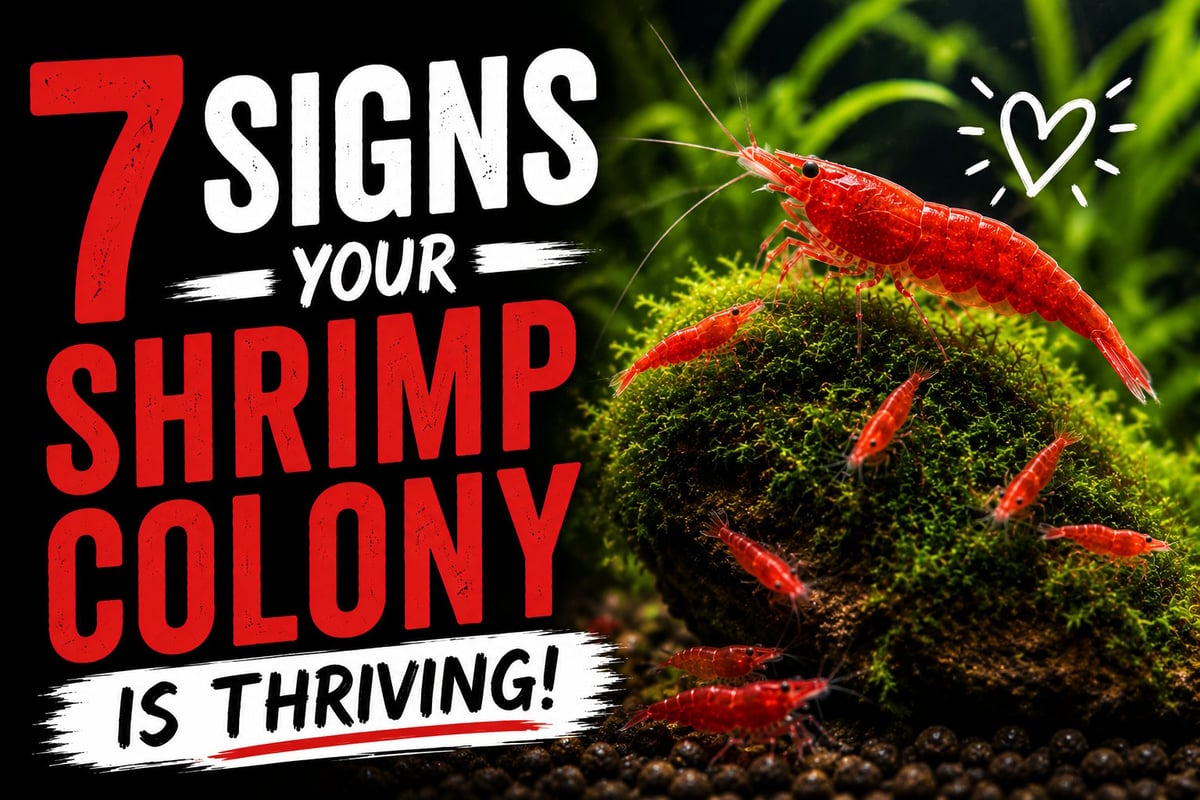
Healthy cherry shrimp colony grazing on moss in a planted aquarium, showing signs of a thriving shrimp population
Get the Free Checklist

A thriving shrimp colony often displays active grazing, multiple generations, visible shrimp, and steady long-term population growth.

Learn to recognize the signs of a truly thriving shrimp colony. Download our free checklist covering the key indicators of shrimp health and stability.

Send Me the Checklist

More Than Just Numbers

Many shrimp keepers focus heavily on breeding. How many shrimp are there? How many babies are showing up? How quickly is the colony growing?

While population growth is important, it's not the only indicator of success.

A truly healthy shrimp colony displays numerous signs that the ecosystem is functioning well. In fact, some of the most important indicators have nothing to do with counting shrimp at all.

If you're wondering whether your colony is headed in the right direction, here are seven signs your shrimp colony is thriving.

A thriving shrimp colony isn't measured by headcount alone. It's measured by behavior, ecosystem health, and the stability of the environment that supports it.

1

You Regularly See Shrimp Grazing

Healthy shrimp spend much of their day searching for food. They constantly explore surfaces throughout the aquarium.

You'll often find them grazing on:

Moss
Driftwood
Rocks
Plant leaves
Substrate

Key insight: Active grazing behavior is often one of the first signs that shrimp feel comfortable within their environment. Shrimp that are consistently feeding tend to be more relaxed and better adapted to the aquarium.

2

Multiple Generations Are Present

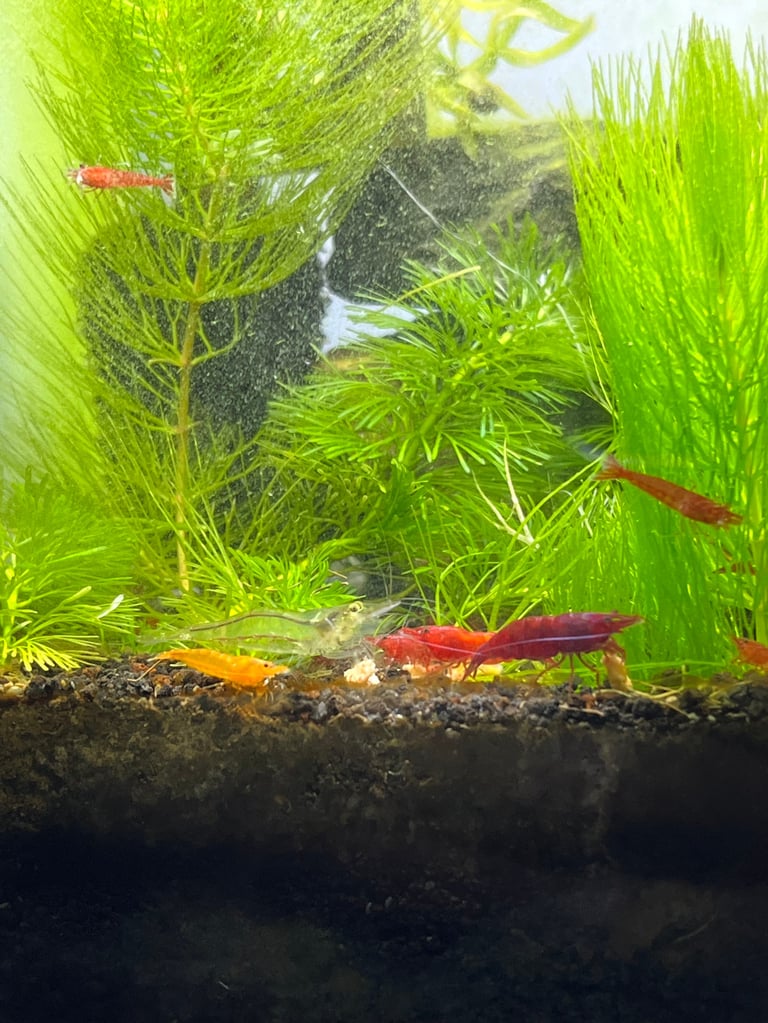
One of the clearest indicators of a healthy colony is seeing shrimp of different ages and sizes.

You may notice:

Adults β€” fully grown, vibrant coloration

Juveniles β€” smaller, developing color

Tiny shrimplets β€” barely visible, nearly transparent

What to know: When multiple generations exist simultaneously, it often suggests the colony is reproducing successfully and young shrimp are surviving long enough to mature. This is a positive sign of long-term colony health.

Multiple vibrant freshwater shrimp including red orange and transparent varieties gather at the bottom of a lush green planted aquarium feeding on a pellet

Multiple generations of shrimp grazing together β€” a strong sign of colony health

3

Shrimp Are Visible Throughout the Day

Shrimp naturally hide from time to time. However, thriving colonies often become surprisingly visible.

When shrimp feel secure, they tend to spend more time:

Exploring β€” venturing into open areas

Grazing β€” actively feeding on surfaces

Interacting β€” engaging with their environment

Key insight: A colony that is constantly hiding may be responding to stress, predators, or environmental instability. Visible shrimp are often confident shrimp.

Want to know what stability looks like in a shrimp tank?

Get the free checklist that helps you identify the signs of a healthy, stable shrimp colony.

Download Free Stability Checklist
4

Molting Occurs Consistently

Molting is a natural part of a shrimp's life cycle. As shrimp grow, they periodically shed their exoskeletons.

Finding occasional molts throughout the aquarium often indicates that shrimp are continuing to develop normally.

Molting alone doesn't guarantee colony success, but it is commonly observed in healthy shrimp populations. Consistent molting suggests that water parameters β€” particularly calcium and mineral levels β€” are adequate for proper exoskeleton development.

What to watch for: If you find empty exoskeletons regularly but never see dead shrimp, that's an excellent sign. It means shrimp are growing successfully and surviving the vulnerable post-molt period.

5

Plants and Shrimp Are Thriving Together

Healthy shrimp colonies are often found in healthy ecosystems. Many successful shrimp tanks also feature:

Strong plant growth

Lush, vibrant, consistently growing

Stable environments

Minimal parameter fluctuation

Mature biological processes

Established nitrogen cycle, biofilm, and microfauna

When plants and shrimp both appear healthy, it's often a sign that the aquarium ecosystem is functioning effectively. These factors frequently support one another β€” plants provide surface area for biofilm, and shrimp waste contributes nutrients back to plants.

"A shrimp tank isn't just about the shrimp. It's about the entire ecosystem that supports them. When the plants are thriving, the shrimp usually are too."

Build the ecosystem first β€” the shrimp will follow.

Our free checklist walks you through the key stability factors that support both plants and shrimp.

Get the Free Stability Checklist
6

The Colony Continues Growing Over Time

Not every colony grows rapidly. However, healthy colonies usually trend upward over the long term.

Population growth may be gradual at first. Then one day you realize there are shrimp everywhere.

Steady growth often indicates that:

Reproduction is occurring β€” berried females are producing eggs

Juveniles are surviving β€” shrimplets reach adulthood

Conditions remain favorable β€” the ecosystem supports ongoing growth

Key insight: Growth doesn't have to be explosive to be meaningful. A colony that doubles from 10 to 20 shrimp in a few months is demonstrating healthy, sustainable growth.

7

Maintenance Feels Easier, Not Harder

One of the most overlooked signs of a thriving shrimp colony is that the aquarium becomes easier to manage.

Healthy ecosystems often develop:

Greater stability β€” parameters stay consistent with less intervention

Better biological balance β€” fewer algae issues, healthier plants

More predictable conditions β€” fewer surprises or sudden problems

As these systems mature, many hobbyists find themselves spending less time troubleshooting and more time enjoying the aquarium. This is often a sign that the ecosystem is moving in the right direction.

"You can't troubleshoot your way into a thriving shrimp colony. It comes from building and maintaining a stable ecosystem."

Why Colony Health Matters More Than Colony Size

Many beginners become obsessed with numbers. They compare their colony size to photos online and wonder why they don't have hundreds of shrimp yet.

The reality is that colony health usually matters more than colony size. A stable colony with steady growth often outperforms a larger colony experiencing ongoing problems.

Healthy foundations create sustainable success.

Stop chasing numbers. Start building stability.

Download our free checklist and learn what successful shrimp keepers focus on.

Grab Your Free Checklist
The Mistake Many Shrimp Keepers Make

When shrimp appear healthy, some hobbyists begin making changes in an attempt to accelerate growth.

They may:

Change routines β€” altering feeding, lighting, or maintenance schedules

Add products β€” introducing new supplements or additives

Modify feeding schedules β€” overfeeding in hopes of faster breeding

Constantly adjust the tank β€” making frequent changes to layout or parameters

Unfortunately, excessive intervention can sometimes disrupt the stability that allowed the colony to thrive in the first place. Many successful colonies benefit from consistency.

Healthy Colonies Are Built on Stability

The strongest shrimp colonies are rarely created through shortcuts. Instead, they're usually the result of:

Stable conditions

Consistent temperature, pH, and mineral levels

Biological maturity

Established biofilm, microfauna, and nitrogen cycle

Natural food sources

Biofilm, algae, and decaying plant matter

Healthy ecosystems

Balanced plant growth and biological filtration

These factors often support shrimp success far more effectively than chasing quick results.

Build the Ecosystem First

One of the most valuable lessons in shrimp keeping is that thriving colonies often emerge naturally from thriving ecosystems.

When the aquarium is healthy, shrimp frequently respond with:

Increased activity β€” more grazing, exploring, and natural behavior

Better survival β€” higher shrimplet survival rates

More visible behavior β€” shrimp feel secure enough to be seen

Sustainable growth β€” steady, long-term population increases

This is why experienced shrimp keepers often focus on ecosystem health before focusing on breeding.

Ready to build a healthier shrimp tank?

Download our free checklist and learn the stability factors that support a thriving colony.

Get the Free Checklist

Frequently Asked Questions

Common questions about shrimp colony health and what it takes to build a thriving colony

Download the Free Self-Sustaining Tank Stability Checklist

Want to build a healthier aquarium that supports a thriving shrimp colony? Learn the key factors successful aquarists monitor when creating stable ecosystems.

The checklist helps you identify common stability issues before they lead to shrimp stress, stalled colony growth, algae outbreaks, or other aquarium problems.

Avoid Costly Mistakes

Prevent the errors that cause shrimp colonies to stall

Reduce Frustration

Stop chasing symptoms and understand the big picture

Build a Healthier Colony

Create a stable ecosystem from day one

Get Your Free Checklist Now

No spam. Unsubscribe anytime. Simple, actionable stability checklist.