Why Are My Cherry Shrimp
Swimming Around the Tank?
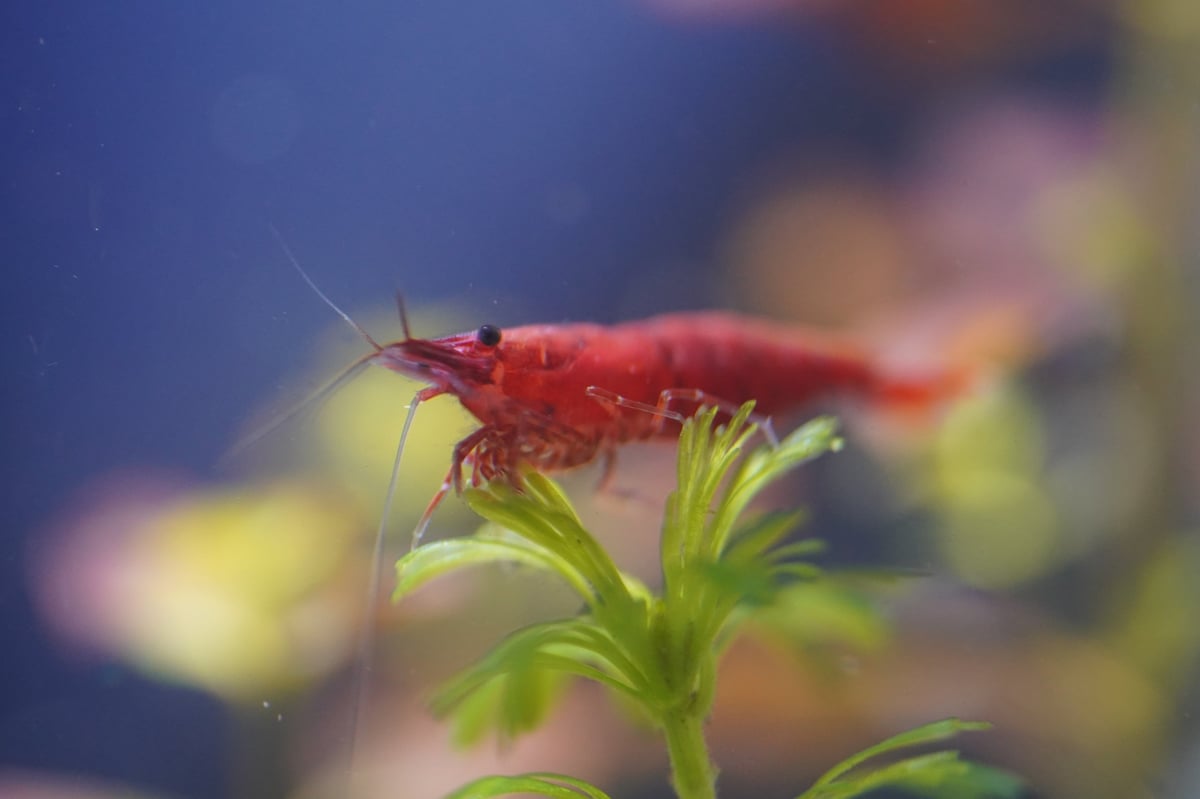
Cherry shrimp swimming around the tank can be completely normal — or a
sign that something has changed. Learn how to tell the difference
between mating behavior, stress, molting, and environmental changes.
Cherry shrimp occasionally swim through the water column due to breeding
behavior, molting, environmental changes, or temporary stress within the
aquarium.
Want a more stable shrimp tank with predictable behavior? Download our
free checklist covering the key factors for long-term aquarium
stability.
If your cherry shrimp are swimming around the tank,
the most common reasons include:
Mating behavior — males searching for a
receptive female
Stress — reacting to environmental changes
Recent water changes — temporary response to new
conditions
Molting activity — pre- and post-molt behavior
changes
Changes in oxygen levels — responding to shifts
in water conditions
The context matters. One shrimp swimming occasionally is usually
normal. An entire colony swimming frantically for long periods may be
worth investigating.
Is It Normal for Cherry Shrimp to Swim Around?
Yes.
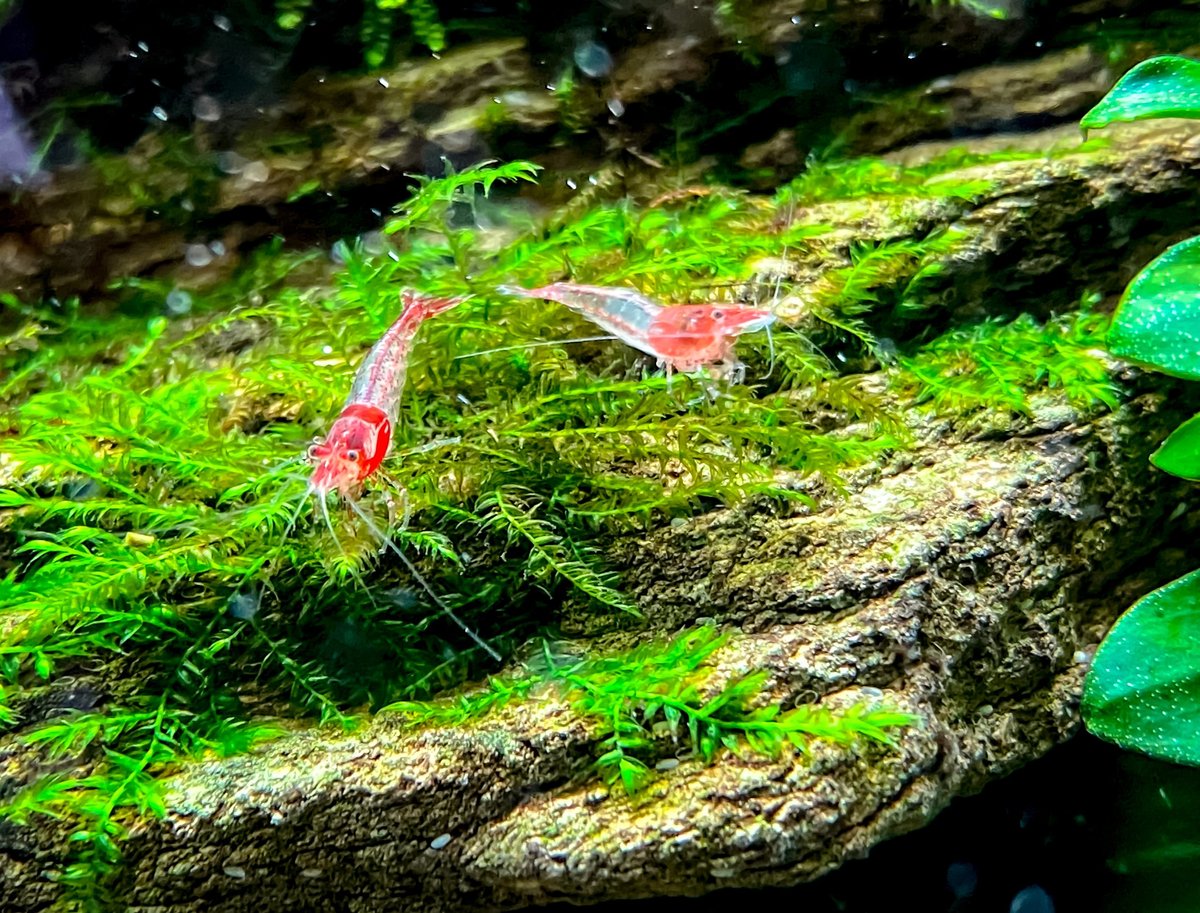
Cherry shrimp are not glued to plants and decorations. Although they
spend most of their day grazing on biofilm, walking on hardscape,
picking at algae, and exploring surfaces, they will occasionally swim
through the water column.
A few short swimming sessions throughout the day are completely normal.
In fact, active shrimp can often be a sign of healthy shrimp.
The concern usually arises when multiple shrimp suddenly start swimming,
the behavior is frantic, the entire colony seems agitated, or the
behavior lasts for hours. This is when it's useful to examine what may
have changed inside the aquarium.
Cherry shrimp naturally explore throughout the aquarium. Occasional
swimming through the water column is a sign of active, healthy
shrimp — not necessarily a cause for concern.
1
Mating Behavior
This is one of the most common reasons cherry shrimp suddenly start
swimming everywhere. When a female cherry shrimp becomes receptive to
breeding, she releases pheromones into the water. Male shrimp detect
these pheromones and begin searching for her.
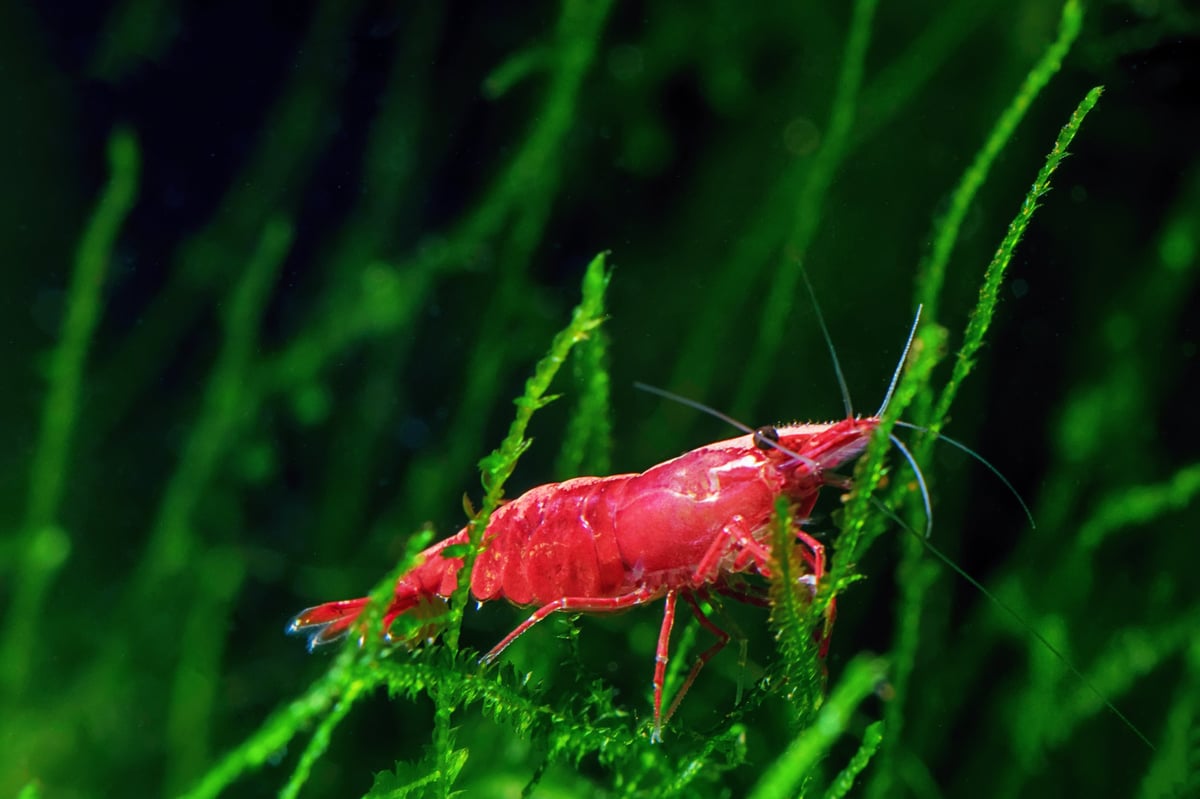
Male cherry shrimp dart through the tank in search of a receptive
female — this mating behavior is one of the most common reasons for
sudden swimming activity in an established colony.
The result can look like complete chaos. You may see shrimp darting
across the tank, swimming near the surface, rapidly changing
directions, and males swimming nonstop.
Many beginners mistake this for a problem. In reality, it's often one
of the best signs that your colony is comfortable enough to breed.
How to Tell if It's Mating Behavior
Smaller, thinner shrimp swimming rapidly
Multiple shrimp searching at once
Temporary activity that lasts a few hours
A berried female appearing days later
Breeding behavior is usually temporary and not a reason for concern.
2
Stress
Stress can also cause cherry shrimp to swim around the tank. Shrimp
prefer stable, predictable environments. When conditions change
suddenly, they may become more active.
Stress can be caused by large disturbances, sudden changes, excessive
maintenance, or environmental shifts. The challenge is that shrimp
cannot tell us exactly what is bothering them. Instead, they
communicate through behavior. Sometimes unusual swimming is their way
of saying: "Something changed."
Signs of Stress
Multiple shrimp swimming at once
Shrimp appearing restless
Sudden behavior changes
Inability to settle down
One active shrimp isn't necessarily a problem. A colony acting
differently than normal deserves attention.
Many shrimp keepers notice increased activity after performing water
changes. This is incredibly common. You may notice shrimp swimming
more, exploring more, becoming temporarily active, or gathering in
unusual areas.
This doesn't automatically mean the water change was harmful. Shrimp
simply react to environmental changes. Even beneficial changes can
temporarily alter behavior.
This is one reason many experienced shrimp keepers prefer consistency
over dramatic maintenance routines. Stable environments often lead to
calmer shrimp.
Why Stable Tanks Often Need Less Intervention
One of the biggest surprises in shrimp keeping is that mature,
stable tanks often become easier to maintain over time. The more
predictable the environment becomes, the less livestock tends to
react dramatically to routine maintenance. This is one reason
self-sustaining aquariums often feel calmer than newer tanks.
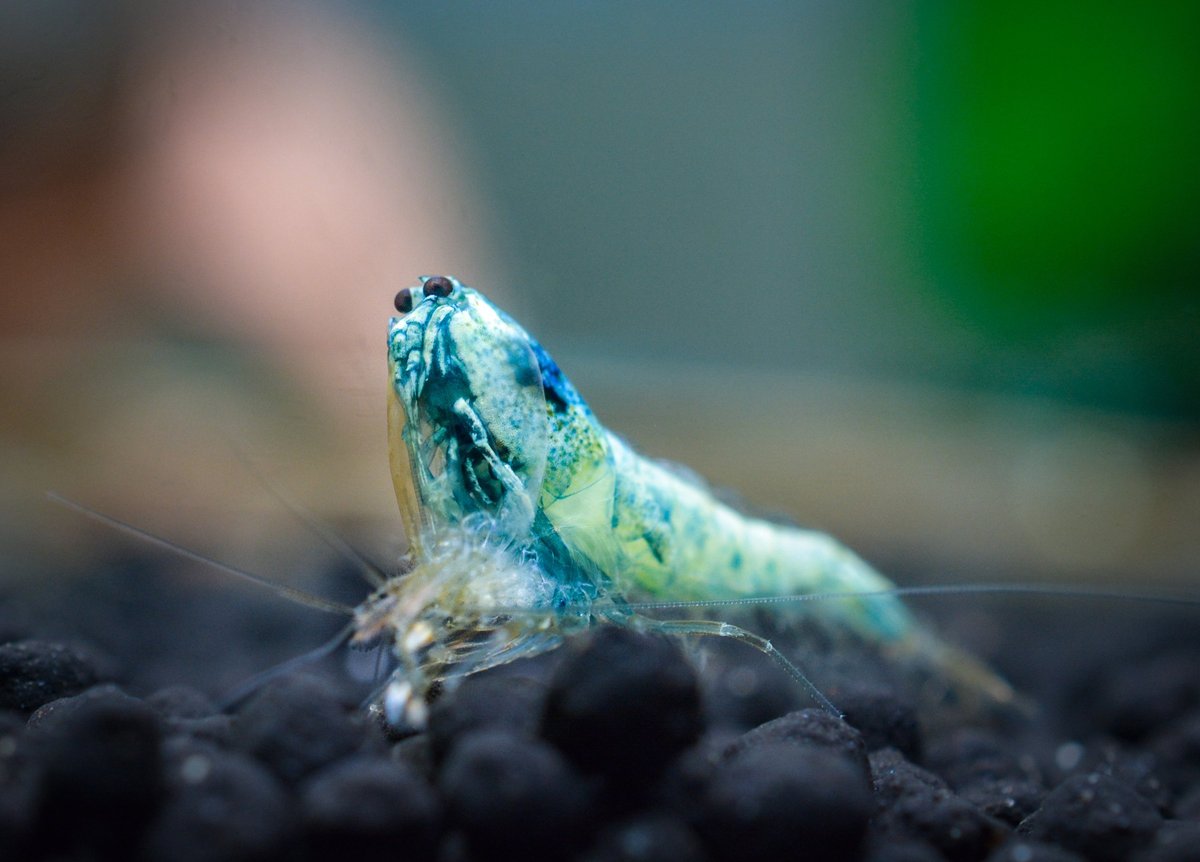
Cherry shrimp often behave differently around molting periods. Before
a molt, shrimp may become more active, more secretive, more
exploratory, or more unpredictable. After molting, they may hide, swim
briefly, search for cover, or resume normal grazing.
Shrimp are temporarily vulnerable during and after molting, which
can cause behavioral changes including increased swimming, hiding,
or restlessness.
Molting is one of the most natural processes in shrimp keeping.
Because shrimp are temporarily vulnerable during this time, behavior
changes are common. Not every swimming episode is a sign of a problem.
Sometimes your shrimp are simply going through normal biological
processes.
5
Changes in Oxygen Levels
Oxygen can influence shrimp behavior. Aquatic animals frequently
respond quickly when environmental conditions shift. In some cases,
shrimp may become more active when oxygen levels change.
You may notice more swimming than usual, gathering in high-flow areas,
increased activity near the surface, or shrimp congregating near
filter outlets. Behavior alone cannot diagnose oxygen issues, but
unusual activity can sometimes indicate that something in the aquarium
has changed.
Why Mature Aquariums Often Have Calmer Shrimp
Experienced shrimp keepers frequently notice that mature aquariums
have more predictable livestock behavior. This usually happens because
mature ecosystems develop stable routines, rich biofilm, greater
biological diversity, and more consistent conditions.
Shrimp often thrive in predictable environments. As aquariums mature,
their behavior can become easier to understand because the ecosystem
itself becomes more stable.
In a mature, stable aquarium with consistent parameters, cherry
shrimp tend to be calmer and more predictable — spending most of
their time grazing rather than swimming erratically.
When Should You Worry?
Most swimming behavior is harmless. However, there are situations that
deserve closer attention.
Usually Normal
One or two shrimp swimming occasionally
Temporary breeding activity
Short bursts of swimming
Activity following maintenance
Molting-related behavior
Worth Investigating
Entire colony swimming frantically
Hours of nonstop swimming
Sudden behavior changes
Multiple unusual behaviors occurring together
Shrimp appearing unable to settle down
The goal isn't to panic. The goal is to observe. Shrimp often provide
clues long before major problems develop.
Mistake #1: Assuming Every Swimming Episode Is an Emergency
Healthy shrimp occasionally swim. This alone doesn't mean
something is wrong.
Mistake #2: Making Immediate Changes
Many hobbyists see unusual behavior and instantly start changing
water, rearranging the tank, adjusting routines, or buying
products. Sometimes these reactions create more instability.
Mistake #3: Ignoring Patterns
Behavior is most useful when viewed over time. Ask yourself:
Is this new?
Has this happened before?
Is it temporary?
Are all shrimp acting differently?
Patterns often reveal far more than isolated events.
Temporary activity near the surface can occur for many reasons,
including breeding behavior, environmental changes, and changes in
oxygen levels. Observe whether the behavior is brief or
persistent.
This is common. Shrimp often respond to environmental changes by
becoming temporarily more active. In many cases, they settle down
after conditions stabilize.
Individual shrimp sometimes explore or swim for short periods. A
single active shrimp is usually less concerning than an entire
colony acting differently.
Cherry shrimp are often active during nighttime hours. Some
colonies simply become more exploratory once the aquarium lights
go out.
Shrimp may occasionally gather near areas with higher flow or
changing conditions. Temporary behavior changes are common and
should be viewed in context with other observations.
Build a Stable Shrimp Tank
One of the biggest lessons in shrimp keeping is learning that behavior
is information. Cherry shrimp often communicate changes in their
environment through their actions.
Most swimming behavior is completely normal. Sometimes it's mating
behavior, molting activity, temporary reactions, or natural
exploration. Other times, it may indicate that something in the
environment has changed.
The healthiest shrimp tanks are often the ones that become stable,
predictable ecosystems over time. And stable ecosystems usually
produce more predictable shrimp behavior.
Download the Free Self-Sustaining Tank Stability Checklist
Want to build a healthier shrimp tank with more predictable behavior
and long-term stability? Download our
Free Self-Sustaining Tank Stability Checklist and
learn the key factors successful aquarists monitor when creating
stable ecosystems.
The checklist helps you identify common stability issues before they
lead to shrimp stress, algae outbreaks, fish problems, or recurring
maintenance challenges.