Why New Cherry Shrimp Disappear After You Add Them | Aquascape Oasis
Shrimp Behavior

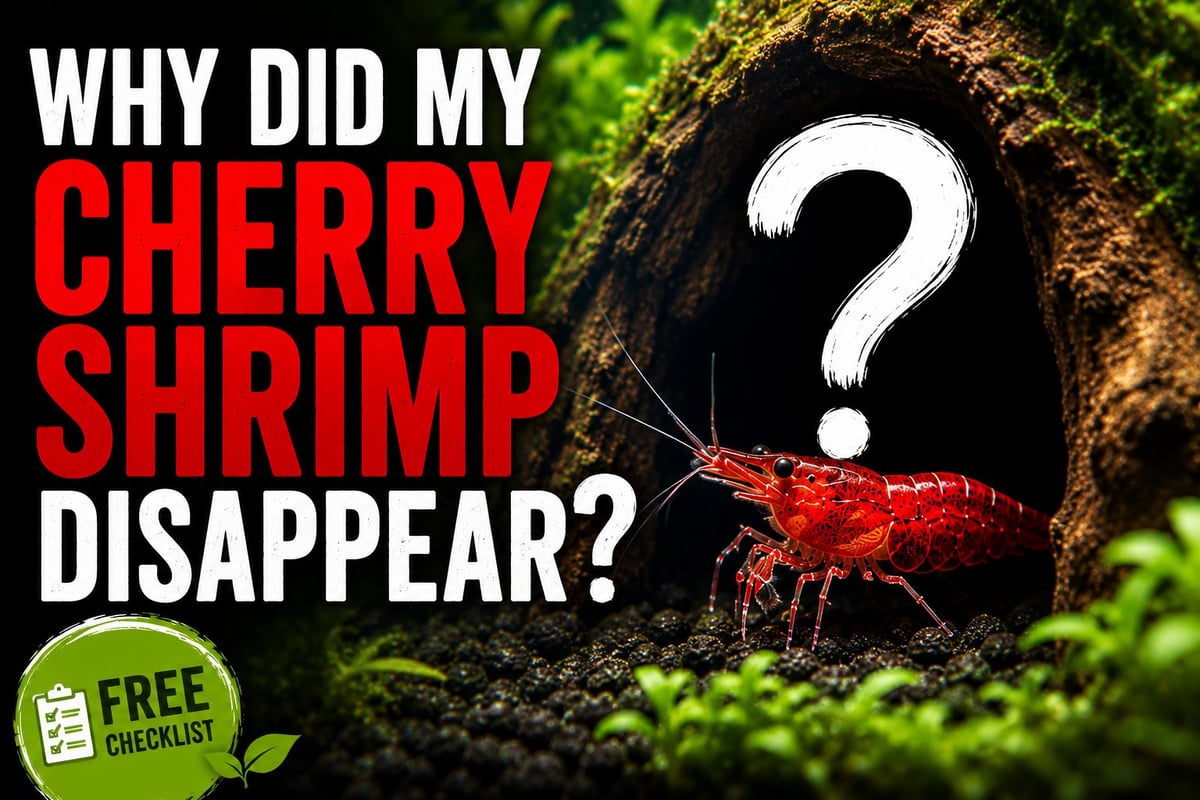
Why New Cherry Shrimp Disappear After You Add Them

Did your new cherry shrimp vanish after being added to the tank? Learn why shrimp hide, molt, acclimate, and sometimes seem to disappear in new aquariums — and why it doesn't always mean something went wrong.

Aquascape Oasis Team

Shrimp Tank Specialists

7 min read

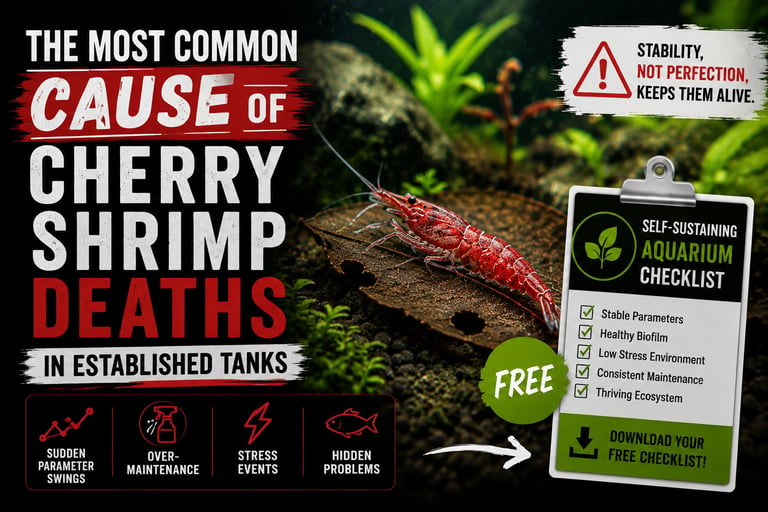
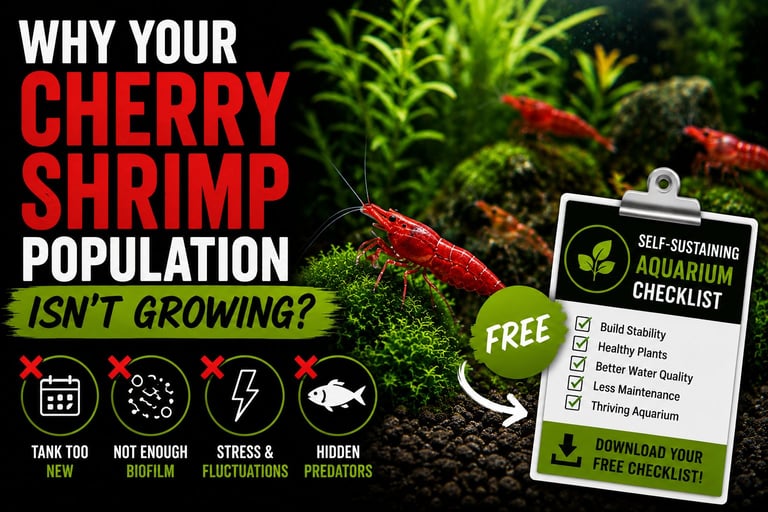
Don't panic if your new shrimp disappeared — it's often part of the adjustment process. Download our free checklist covering the stability factors that help shrimp feel secure and thrive in their new home.

Send Me the Checklist

You're Not the First Person to Search for Missing Shrimp

You carefully acclimated your new cherry shrimp. You released them into the aquarium. You watched them explore for a few minutes.

Then they vanished.

A day later, you still can't find them. A week later, you're wondering whether they're even alive.

If you've been searching for answers because your new cherry shrimp disappeared, you're definitely not alone. This is one of the most common concerns among new shrimp keepers.

The good news? Disappearing shrimp don't always mean dead shrimp. In many cases, the behavior is completely normal — and understanding why it happens can save you from unnecessary worry.

Many beginners assume the worst long before the shrimp has finished settling in. Let's look at what's actually happening.

1

Cherry Shrimp Are Experts at Hiding

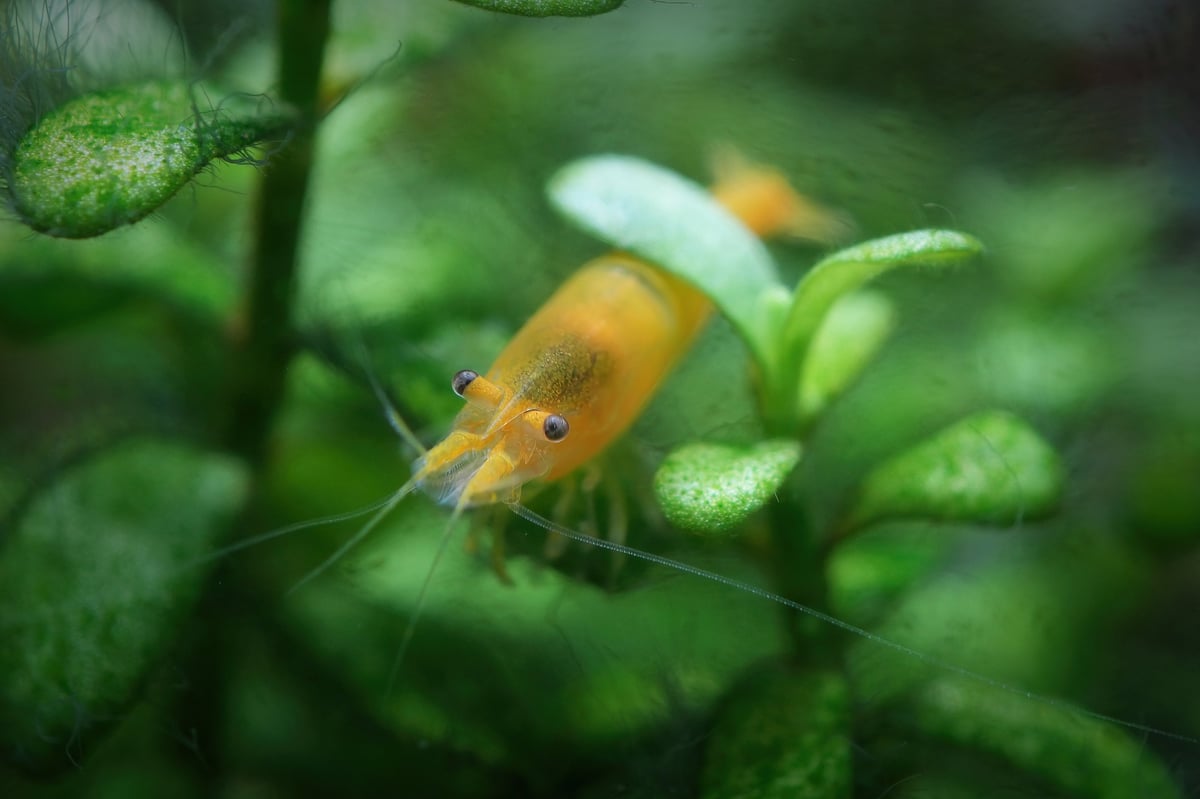
One of the biggest surprises for new shrimp owners is discovering how good shrimp are at staying out of sight. Cherry shrimp naturally seek areas that provide cover, safety, food sources, and protection from perceived threats.

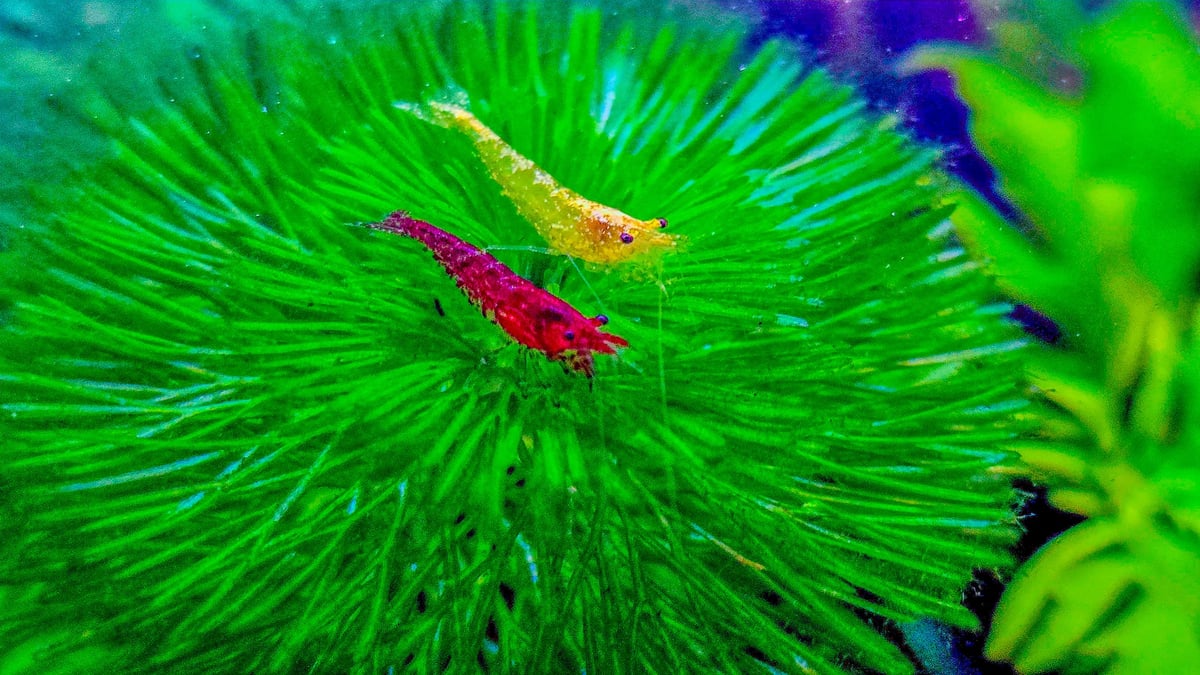
Aquariums often contain dozens of hiding places that seem invisible to us. Shrimp may hide inside moss, under driftwood, behind rocks, within dense plants, or around filter equipment.

Inside moss clumps
Under driftwood
Behind rocks
Around filter equipment
Deep within dense plant growth

What experienced shrimp keepers know: It's common for a shrimp to disappear for days and then suddenly reappear as if nothing happened. This is normal shrimp behavior in aquariums of all sizes.

2

New Shrimp Often Need Time to Adjust

Moving to a new aquarium is a significant event for a shrimp. Even when shrimp acclimation is performed carefully, the shrimp is still experiencing a new environment, different water conditions, new surroundings, and new tank mates.

Many shrimp respond by becoming far less visible while they adjust. This cherry shrimp hiding behavior can last several days or even longer depending on the aquarium.

What you need to know: Without understanding what's happening, many hobbyists assume the shrimp died when it's simply adjusting to its new home.

Give your shrimp the stable environment they need to feel secure.

Get the free checklist that helps you build a healthier, more stable shrimp tank.

Download Free Stability Checklist
3

Molting Can Make Shrimp Disappear

Shrimp periodically shed their exoskeleton as they grow. This process is called molting. Before and after a molt, shrimp often become more reclusive — they may seek hidden areas where they feel safe and protected.

Because newly introduced shrimp are already adapting to a new environment, it's not unusual for molting behavior and acclimation behavior to overlap. The result? A shrimp that seemingly vanishes overnight.

Before molting: Shrimp become less active and seek shelter

During molting: The shrimp is vulnerable and must remain hidden

After molting: The new exoskeleton needs time to harden

Critical insight: Finding an empty exoskeleton in your tank is actually a good sign — it means your shrimp successfully molted and is likely hiding while its new shell hardens.

4

Fish May Be More Interested Than You Think

Many community fish are marketed as shrimp-safe. What often gets left out is that shrimp-safe and baby-shrimp-safe are not always the same thing. Even peaceful fish may investigate shrimp.

Some fish may opportunistically consume shrimplets, molting shrimp, smaller individuals, or stressed shrimp. This doesn't necessarily mean fish are always the problem — but fish behavior is one factor worth considering when shrimp missing becomes a concern.

Shrimplets

Most vulnerable to fish

Molting shrimp

Soft and defenseless

Small individuals

Easier targets for curious fish

Stressed shrimp

Weakened and less mobile

Aquarium maturity also plays a bigger role than most realize. Mature aquariums provide more biofilm, more microorganisms, more biological stability, and more natural grazing opportunities — all of which help shrimp feel more comfortable and secure.

"New tanks often lack many of the invisible resources that shrimp rely on. This is one reason experienced shrimp keepers place such a strong emphasis on ecosystem maturity."

Build a tank where shrimp feel safe and thrive.

Our free checklist walks you through the key stability factors most shrimp keepers overlook.

Get the Free Stability Checklist

Why You Should Avoid Constant Searching

One mistake many beginners make is repeatedly disturbing the aquarium while searching for missing shrimp. They may move decorations, rearrange plants, lift rocks, or chase shrimp with a net.

Unfortunately, this often creates additional stress. If shrimp are hiding because they feel uncertain, constant disruption can encourage them to remain hidden even longer. Patience is usually the better strategy.

When Missing Shrimp Reappear

Many shrimp keepers eventually experience the same surprising moment. A shrimp they assumed was gone suddenly appears weeks later. Sometimes multiple shrimp emerge at once.

What looked like a mystery was simply normal shrimp behavior combined with effective hiding. This is especially common in heavily planted aquariums where shrimp have abundant cover.

Stop worrying. Start building a better shrimp tank.

Download our free checklist and give your shrimp the stable home they deserve.

Grab Your Free Checklist

The Real Goal Is Building a Comfortable Environment

Instead of focusing solely on where a missing shrimp might be, it can be helpful to focus on the overall environment. Healthy shrimp generally thrive in aquariums that provide stability, biological maturity, natural grazing opportunities, and consistent conditions.

When these elements are present, shrimp often become more active and visible over time. The best thing many hobbyists can do is give their shrimp time and allow the aquarium ecosystem to stabilize. Patience is often rewarded.

Frequently Asked Questions

Common questions about cherry shrimp hiding and disappearing behavior

Download the Free Self-Sustaining Tank Stability Checklist

Want to build a healthier aquarium that helps shrimp feel secure and thrive? Learn the key factors successful aquarists monitor when creating stable ecosystems.

Reduce Shrimp Stress

Create an environment where shrimp feel secure and visible

Spot Issues Early

Identify stability problems before they lead to shrimp stress

Build a Thriving Ecosystem

Give your shrimp the stable home they need to breed and flourish

Get Your Free Checklist Now

No spam. Unsubscribe anytime. Simple, actionable stability checklist.