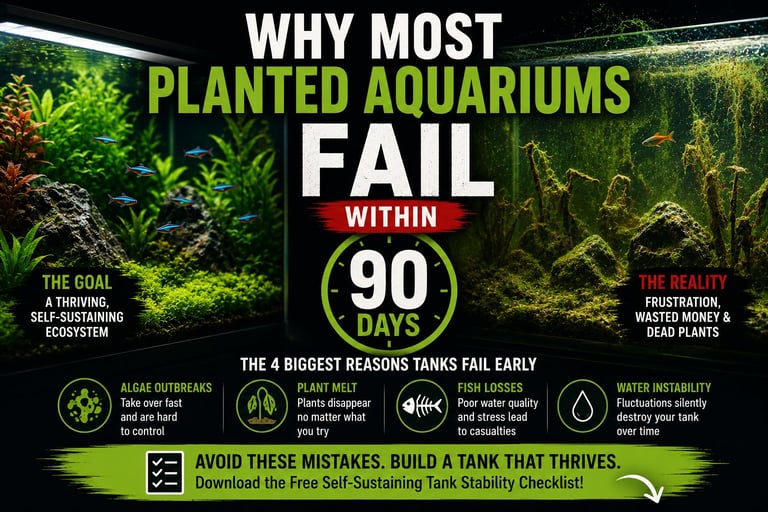
3 Signs Your Aquarium Has Too Few Plants | Aquascape Oasis
Planted Aquarium

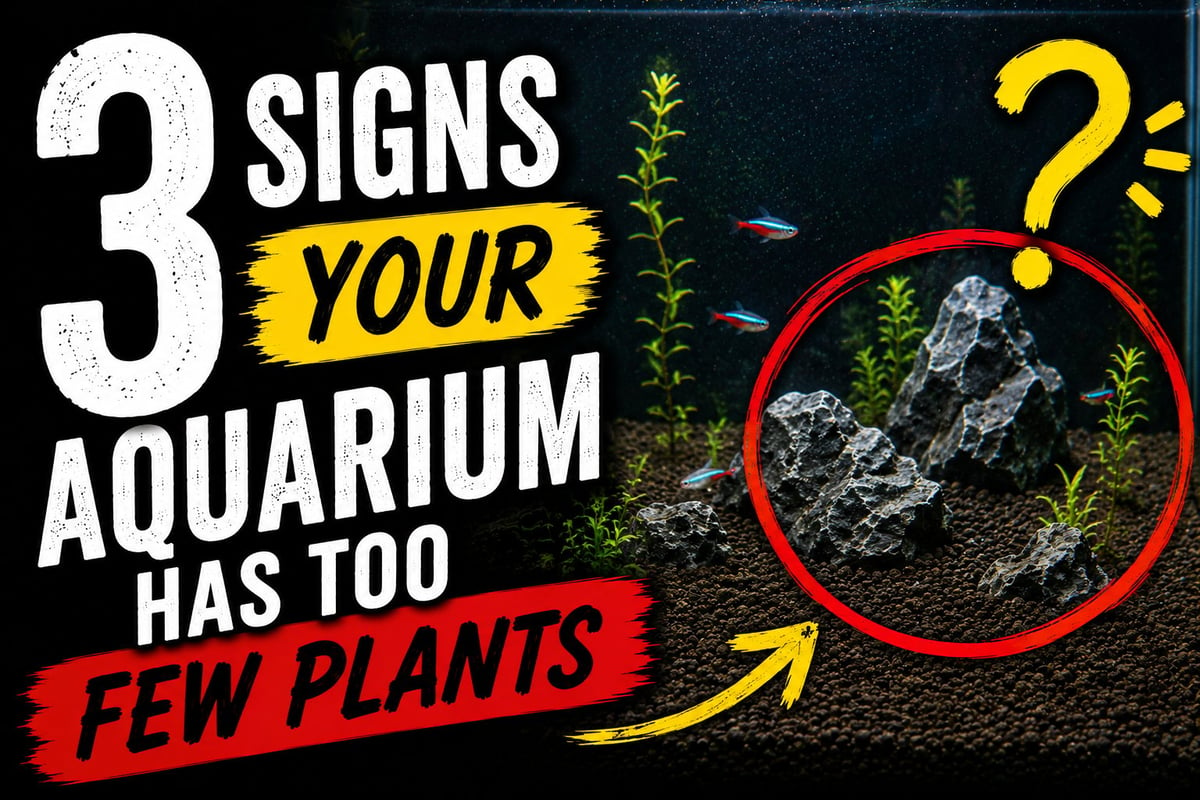
3 Signs Your Aquarium Has Too Few Plants

Learn three common signs your planted aquarium may not have enough plants and discover how plant density can improve stability, reduce algae, and support healthier livestock.

Aquascape Oasis Team

Planted Tank Specialists

8 min read

Low plant density can contribute to instability, algae issues, and a less balanced aquarium ecosystem.

Build a healthier planted aquarium with greater long-term stability. Download our free checklist covering the key factors successful aquarists monitor.

Send Me the Checklist

Many aquarium owners assume that as long as they have a few plants in the tank, they're running a planted aquarium. But there's a big difference between having plants and having enough plants.

In fact, one of the most overlooked causes of algae outbreaks, unstable conditions, and constant maintenance is simply not having enough plant mass. If you're building a planted aquarium, plant quantity can be just as important as plant quality.

Let's look at three common signs your aquarium may have too few plants.

Why Plant Density Matters

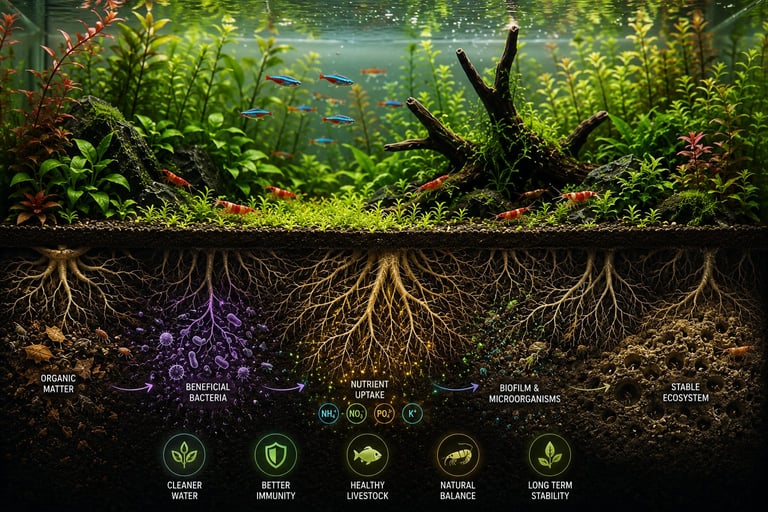
Plants do much more than make an aquarium look attractive. Healthy plant growth contributes to ecosystem stability, biological balance, habitat creation, and natural nutrient utilization.

When plant density is too low, the aquarium may struggle to establish the balance many hobbyists are trying to achieve. This is especially true in newer aquariums.

Key takeaway: Plants aren't just decoration — they're the engine of your aquarium's ecosystem. Without enough of them, the system struggles to reach equilibrium.

#1

Algae Appears Everywhere

One of the most common signs of insufficient plant density is recurring algae. Many aquarium owners focus entirely on removing algae. However, algae often develops because something else is missing.

Plants and algae frequently compete within the aquarium ecosystem. When plant growth is limited, algae may gain opportunities to establish itself.

Common warning signs include:

Algae on glass
Algae on decorations
Algae on plant leaves
Frequent algae cleanups

While algae can have multiple causes, low plant density is often overlooked.

#2

The Aquarium Never Feels Stable

Does it seem like something is always happening in your tank? One week it's algae. The next week it's cloudy water. Then plant melt. Then another issue appears.

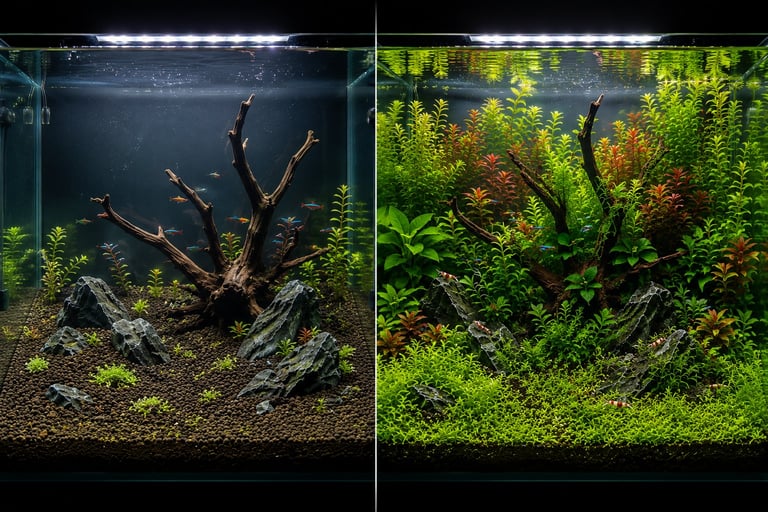
Many lightly planted aquariums feel like they're constantly reacting to problems. Heavily planted aquariums often develop greater stability because plants become active participants in the ecosystem.

When plant density is low, the system may have fewer natural buffers against change.

Key takeaway: If you're constantly putting out fires in your aquarium, insufficient plant mass could be the root cause. Plants are nature's stability buffer.

#3

Fish and Shrimp Have Limited Cover

Plants provide much more than biological benefits. They also create structure throughout the aquarium. Fish and shrimp frequently use plants for shelter, security, exploration, and grazing.

If livestock spend most of their time exposed, the aquarium may not provide enough plant coverage. Many species appear more comfortable in environments with greater plant density. This is particularly noticeable in community aquariums and shrimp tanks.

Key takeaway: A well-planted aquarium isn't just about aesthetics — it's about creating a home your livestock actually feel safe in.

Spotting These Signs in Your Tank?

Get our Free Self-Sustaining Tank Stability Checklist and learn exactly how to build the plant density and ecosystem balance your aquarium needs to thrive.

Get Your Free Checklist

The Mistake Many Beginners Make

When setting up a planted aquarium, beginners often buy only a handful of plants. The tank looks planted on day one. But weeks later, the aquarium still feels empty. Sparse planting frequently creates challenges because there simply isn't enough plant mass to support the ecosystem effectively.

Many successful planted aquariums start with far more plants than beginners expect.

Key takeaway: When you think you have enough plants, double it. That's closer to what a truly balanced planted aquarium needs.

More Plants Doesn't Mean More Work

This idea surprises many hobbyists. People often assume adding more plants automatically increases maintenance. In reality, healthy plant density can sometimes make maintenance easier.

As ecosystems mature, many aquarium owners notice improved stability, better balance, fewer recurring issues, and more predictable conditions. The aquarium begins functioning more like an ecosystem and less like a collection of individual components.

Key takeaway: More plants often means less hands-on maintenance — not more. A densely planted tank works with you, not against you.

Why Mature Planted Aquariums Feel Different

Experienced hobbyists often describe mature planted aquariums as feeling "settled." The tank appears balanced. The ecosystem feels established. Livestock behave naturally. Plants grow consistently.

This often happens because plants become integrated into the biological processes occurring throughout the aquarium. The result is a healthier and more stable environment.

Focus on Plant Mass, Not Just Plant Types. Many hobbyists spend weeks researching specific species. While plant selection matters, overall plant density is frequently the more important factor.

Build the Ecosystem First

The goal of a planted aquarium isn't simply to own plants. The goal is to build a healthy ecosystem. Healthy plants contribute to stability, balance, habitat, and biological diversity.

When enough plants are present, many common aquarium problems become easier to manage.

Key takeaway: A planted aquarium with sufficient plant density often maintains itself better than a lightly planted one — because the ecosystem, not the hobbyist, does more of the work.

Download the Free Self-Sustaining Tank Stability Checklist

Want to build a healthier planted aquarium with fewer problems and greater long-term stability? Download our Free Self-Sustaining Tank Stability Checklist and learn the key factors successful aquarists monitor when creating stable ecosystems. The checklist helps you identify common stability issues before they lead to algae outbreaks, plant melt, fish stress, or excessive maintenance.

Get Your Free Checklist Now
Frequently Asked Questions

Common questions about plant density, planted aquarium stability, and building a thriving aquatic ecosystem.

Keep Reading

Related Articles

Continue learning about planted aquariums, plant health, and building a thriving aquatic ecosystem.

Ready to Build a Thriving Planted Aquarium?

A tank with the right plant density isn't just more beautiful — it's more stable, easier to maintain, and healthier for your livestock. Download our Free Self-Sustaining Tank Stability Checklist and learn the exact steps to build an ecosystem that thrives.

Less Algae

Plants outcompete it naturally

More Stability

Fewer sudden parameter swings

Happier Livestock

Natural cover and grazing areas

Get Your Free Checklist Now