10 Beginner Plant Mistakes Nobody Talks About
Learn 10 overlooked mistakes beginners make with aquarium plants and discover how to build a healthier, more stable planted aquarium from the start.
Discover why healthy aquarium plants often contribute more to long-term aquarium stability than expensive equipment and how plants support a thriving ecosystem.
Aquascape Oasis Team
Planted Tank Specialists
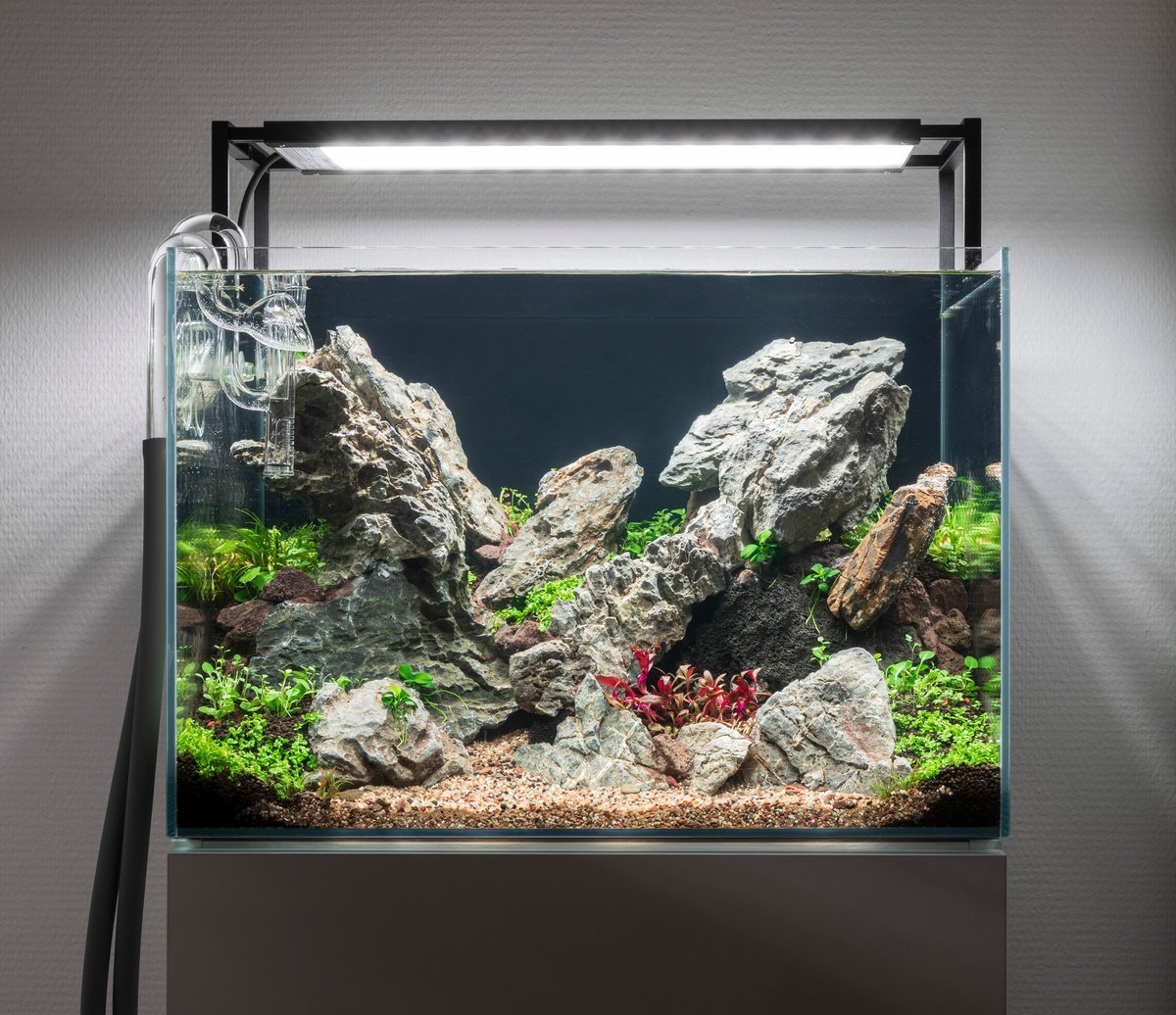
A healthy planted aquarium often relies more on ecosystem balance and thriving plant growth than constantly upgrading equipment.
Build a healthier aquarium that relies on ecosystem stability. Download our free checklist covering the key factors successful aquarists monitor.
Send Me the ChecklistWalk into any aquarium store and you'll find shelves full of equipment promising better results. More filtration. More gadgets. More technology. More upgrades.
For beginners, it's easy to believe that building a successful aquarium requires constantly purchasing better equipment. But many experienced aquarists eventually discover something surprising:
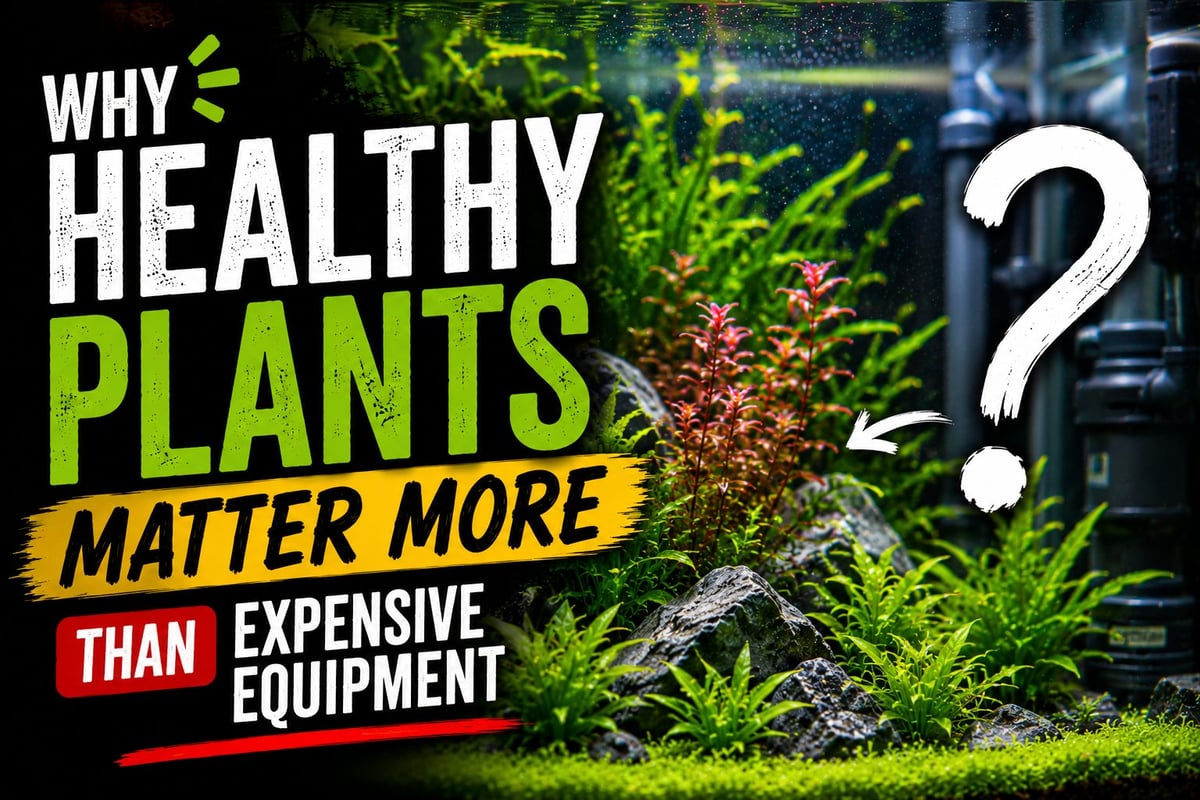
Healthy aquarium plants often have a greater impact on aquarium stability than expensive equipment.
That's not to say equipment isn't important. It absolutely is. However, healthy plants can provide benefits that many hobbyists overlook. Let's look at why healthy aquarium plants deserve more attention.
Equipment is easy to understand. You can see it. You can buy it. You can install it. When problems occur, many hobbyists naturally look for equipment-based solutions.
Examples include:
Meanwhile, the role of healthy plants is often underestimated. Yet plants are actively interacting with the aquarium ecosystem every day.
One of the biggest advantages of healthy aquarium plants is their contribution to overall ecosystem stability. Stable aquariums are often easier to maintain because conditions remain more predictable over time.
Plants become part of the biological system rather than simply serving as decoration. This is one reason heavily planted aquariums often develop a different feel than sparsely planted tanks — the ecosystem itself begins doing more of the work.
Key takeaway: Plants aren't just decoration. They're active biological participants that help your aquarium become more self-regulating over time.
Aquariums naturally produce nutrients through biological processes. Without plants, those nutrients have fewer destinations within the system.
Healthy plant growth helps utilize resources already present in the aquarium. As plants grow, they become active participants in maintaining balance. Many successful aquariums rely on this natural relationship.
Key takeaway: Think of plants as your aquarium's nutrient management system — one that works continuously without requiring manual intervention.
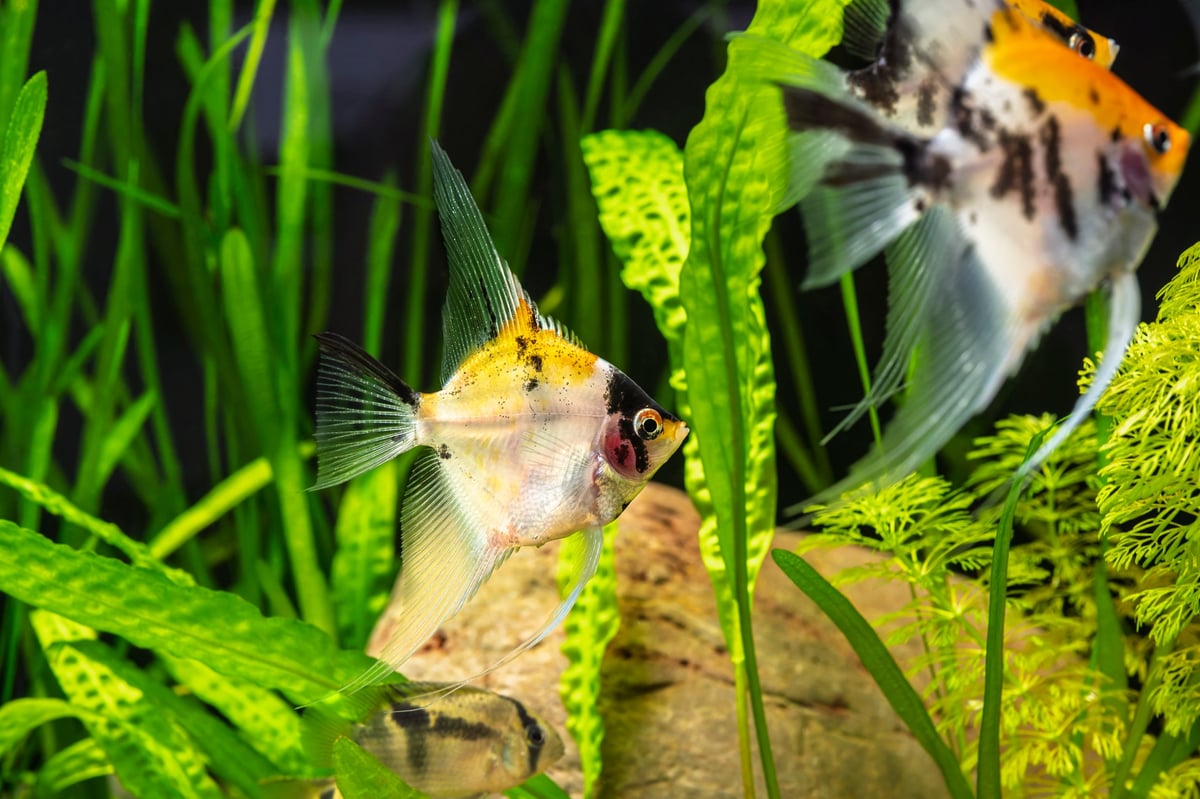
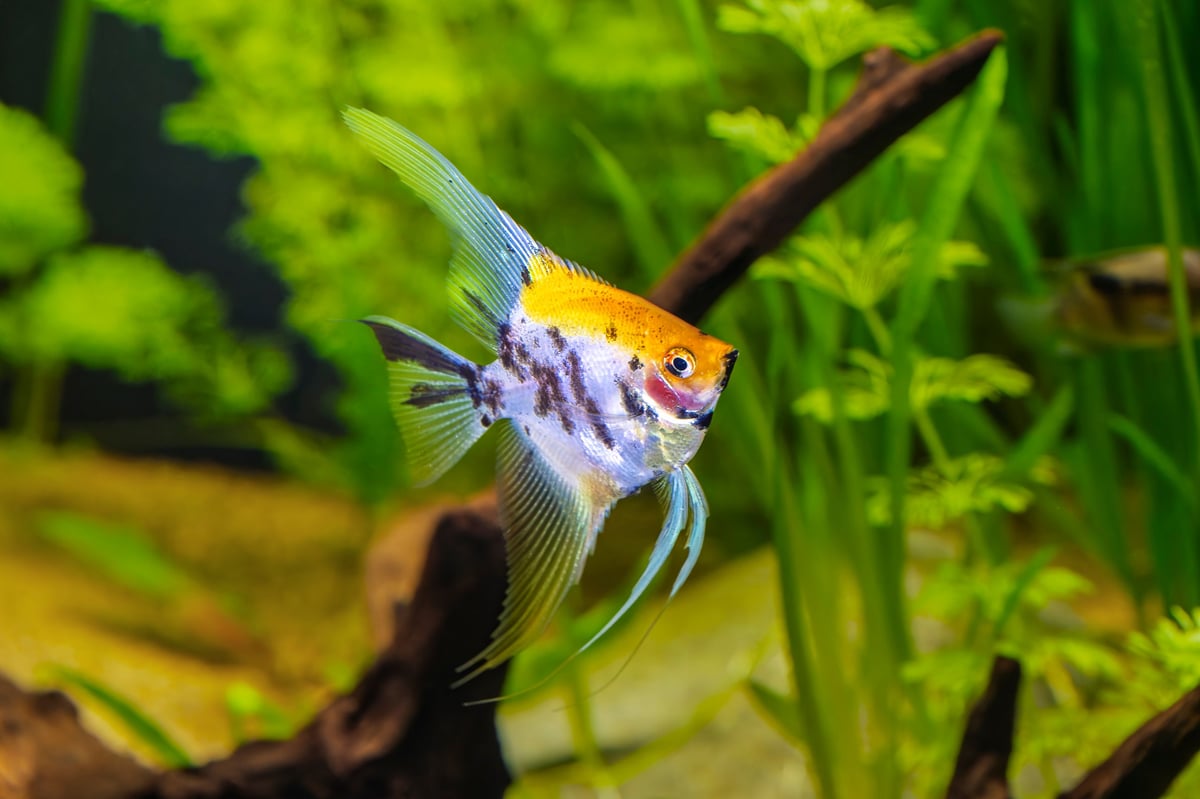
Plants don't only benefit the aquarium itself. They also benefit the inhabitants. Aquarium plants can provide shelter, security, exploration opportunities, and natural environments.
Fish and shrimp frequently interact with plants throughout the day. Many species appear more comfortable in heavily planted environments. This can contribute to healthier behavior and reduced stress.
Key takeaway: A well-planted aquarium isn't just beautiful — it creates a more natural and less stressful environment for your fish and invertebrates.
Healthy aquariums often contain far more life than we can see. Plant surfaces become home to microorganisms, biofilm, and beneficial biological communities.
These microscopic ecosystems contribute to the larger aquarium environment. The result is often a richer and more biologically diverse system.
Key takeaway: Every healthy plant surface hosts microscopic life that contributes to your aquarium's overall biological richness and resilience.
Many beginners assume planted aquariums require more work. In reality, healthy plants often help simplify aquarium maintenance over the long term.
As ecosystems mature, hobbyists frequently notice greater stability, fewer surprises, and more predictable conditions. The aquarium begins functioning more like an ecosystem and less like a collection of equipment.
Key takeaway: A mature, healthy planted aquarium often requires less intervention than a tank that relies heavily on mechanical solutions alone.
Get our Free Self-Sustaining Tank Stability Checklist and learn the key factors successful aquarists monitor when building a healthier aquarium ecosystem. Stop chasing equipment solutions and start building stability.
Get Your Free ChecklistEquipment absolutely serves important purposes. However, many hobbyists fall into the trap of treating equipment as the solution to every problem.
Sometimes the missing piece isn't another device. Sometimes it's a healthier ecosystem. Healthy plants are often one of the most powerful tools available for building that ecosystem.
Key takeaway: Before buying more equipment, ask yourself: could this problem be addressed by improving plant health and ecosystem stability?
Many new aquarium owners invest heavily in equipment while investing very little in plants. As a result, they create aquariums that depend almost entirely on mechanical solutions. Plants often become an afterthought.
Unfortunately, this can limit many of the natural processes that help create long-term stability. Experienced aquarists frequently move in the opposite direction — they begin focusing more on ecosystem health and less on constantly adding equipment.
Key takeaway: The most successful aquariums aren't the ones with the most equipment — they're the ones with the healthiest ecosystems.
One reason plants are so valuable is that they're constantly interacting with the aquarium. Every day they contribute to ecosystem development, habitat creation, biological diversity, and overall balance.
Unlike equipment that performs a specific task, plants become integrated into the larger system. This is one reason healthy planted aquariums often feel more stable over time.
Key takeaway: Equipment runs when you turn it on. Plants work continuously — day and night — as part of your aquarium's living ecosystem.
Many successful aquariums share a common theme: the focus shifts away from buying more equipment and toward building a healthier ecosystem. That often means prioritizing plant health, stability, biological maturity, and long-term consistency.
When these foundations are in place, many common aquarium problems become easier to manage.
Healthy Plants Create Better Aquariums. The goal isn't to eliminate equipment — it's to recognize that healthy plants can become one of the most valuable components of the aquarium.
Want to build a healthier aquarium that relies more on ecosystem stability and less on constant troubleshooting? Download our Free Self-Sustaining Tank Stability Checklist and learn the key factors successful aquarists monitor when creating stable ecosystems. The checklist helps you identify common stability issues before they lead to algae outbreaks, plant melt, fish stress, or unnecessary maintenance.
Get Your Free Checklist NowCommon questions about healthy aquarium plants and building a thriving planted tank ecosystem.
Continue learning about planted aquariums, ecosystem health, and building a thriving aquatic environment.
Learn 10 overlooked mistakes beginners make with aquarium plants and discover how to build a healthier, more stable planted aquarium from the start.
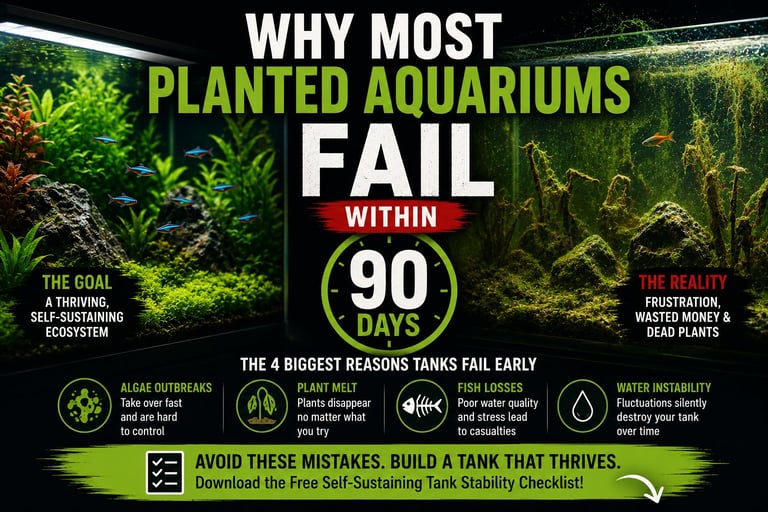
Plant melt, algae outbreaks, fish deaths, and water instability — discover why most tanks crash in the first 90 days and how to avoid it.
Beautiful planted tanks aren't successful because of a single filter or gadget. They're successful because the ecosystem works together — and healthy plants are at the center of that process. Download our Free Self-Sustaining Tank Stability Checklist and learn the key factors successful aquarists monitor when creating stable, thriving ecosystems.
Build ecosystem stability naturally
Fewer gadgets, more balance
No spam, no catch — just the checklist