7 Reasons Your Cherry Shrimp Keep Molting | Aquascape Oasis
Cherry Shrimp Molting

7 Reasons Your Cherry Shrimp Keep Molting

Finding empty shrimp shells everywhere? Worried something's wrong? Learn the most common reasons cherry shrimp molt frequently — and why most molting is completely normal.

Aquascape Oasis Team

Shrimp & Planted Tank Specialists

10 min read

Cherry shrimp naturally shed their exoskeletons throughout their lives, and frequent molting can be related to growth, breeding, environmental changes, or a thriving shrimp colony.

What Is Molting?

Cherry shrimp have an exoskeleton — a hard outer shell that protects their body.

Unlike fish, shrimp can't simply grow bigger inside their shell forever. Instead, they must periodically shed their old shell and grow a new one.

This process is called molting.

After a molt, you may find:

  • An empty shrimp shell
  • A pale, transparent exoskeleton
  • What looks like a dead shrimp

Many beginners mistake molts for dead shrimp. Don't worry — you're not the first person to do this.

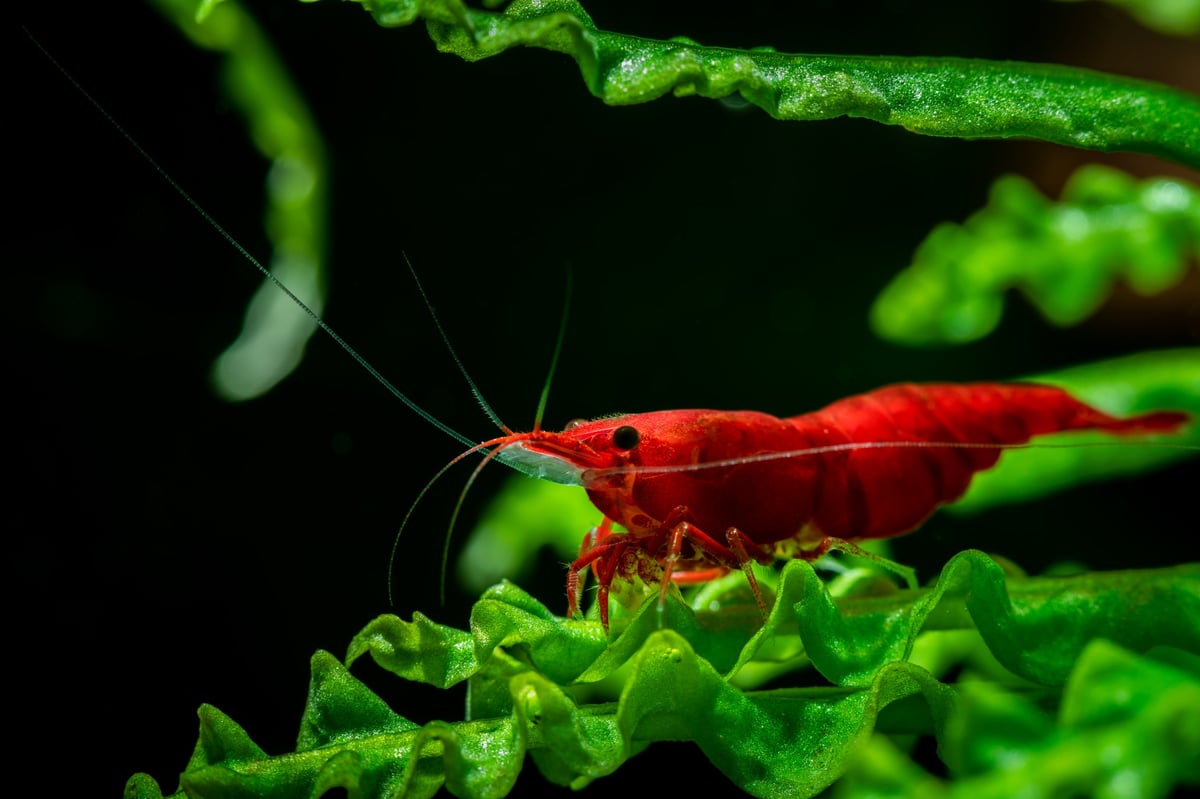
Red neocaridina shrimp in a freshwater aquarium, showcasing the vibrant coloration and healthy exoskeleton that cherry shrimp periodically shed during the molting process

A healthy cherry shrimp with a fully-formed exoskeleton. Shrimp periodically shed this shell through a process called molting to grow and develop.

Is Molting Normal?

Absolutely.

Healthy cherry shrimp molt throughout their lives.

Molting is necessary for:

  • Growth
  • Development
  • Reproduction
  • Replacing damaged exoskeletons

Finding an occasional molt is often a sign that your shrimp are healthy.

The question usually becomes: How much molting is too much?

1

Your Shrimp Are Growing

This is one of the most common reasons for frequent molting.

Young shrimp often molt more frequently than adults because they're still growing. Baby shrimp can seem like little molting machines.

As shrimp increase in size, they periodically shed their old shell to make room for growth.

If your colony contains lots of juvenile shrimp, frequent molts can be completely normal.

Signs This May Be the Cause

  • Lots of baby shrimp
  • Lots of young shrimp
  • Colony is actively growing
  • Molts appear regularly

In many cases, frequent molting simply means your colony is thriving.

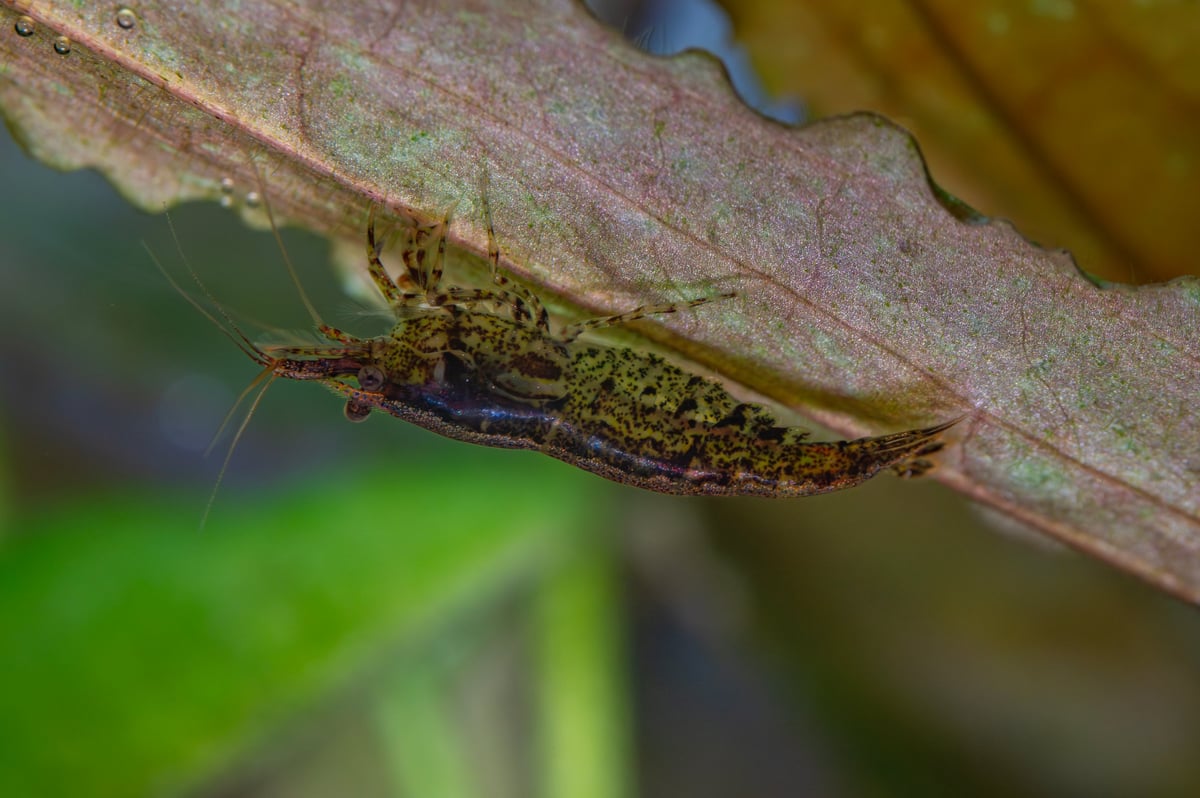
Female Neocaridina shrimp resting on a bright green aquatic leaf in a freshwater tank, showcasing the delicate exoskeleton that cherry shrimp periodically shed during molting

Juvenile cherry shrimp grow rapidly and molt more often than adults. If your colony has lots of young shrimp, frequent molting is a sign of healthy development.

2

Females Are Preparing to Breed

Molting and breeding are closely connected.

Female cherry shrimp often molt before becoming receptive to mating. After molting, they release pheromones that attract males.

You may notice:

  • A fresh molt
  • Males suddenly swimming everywhere
  • A berried female appearing later

This behavior can look chaotic but is often completely normal. If your shrimp are breeding, increased molting may actually be a good sign.

Signs This May Be the Cause

  • Females recently molted
  • Males are swimming frantically
  • You regularly see berried females
  • Baby shrimp continue appearing

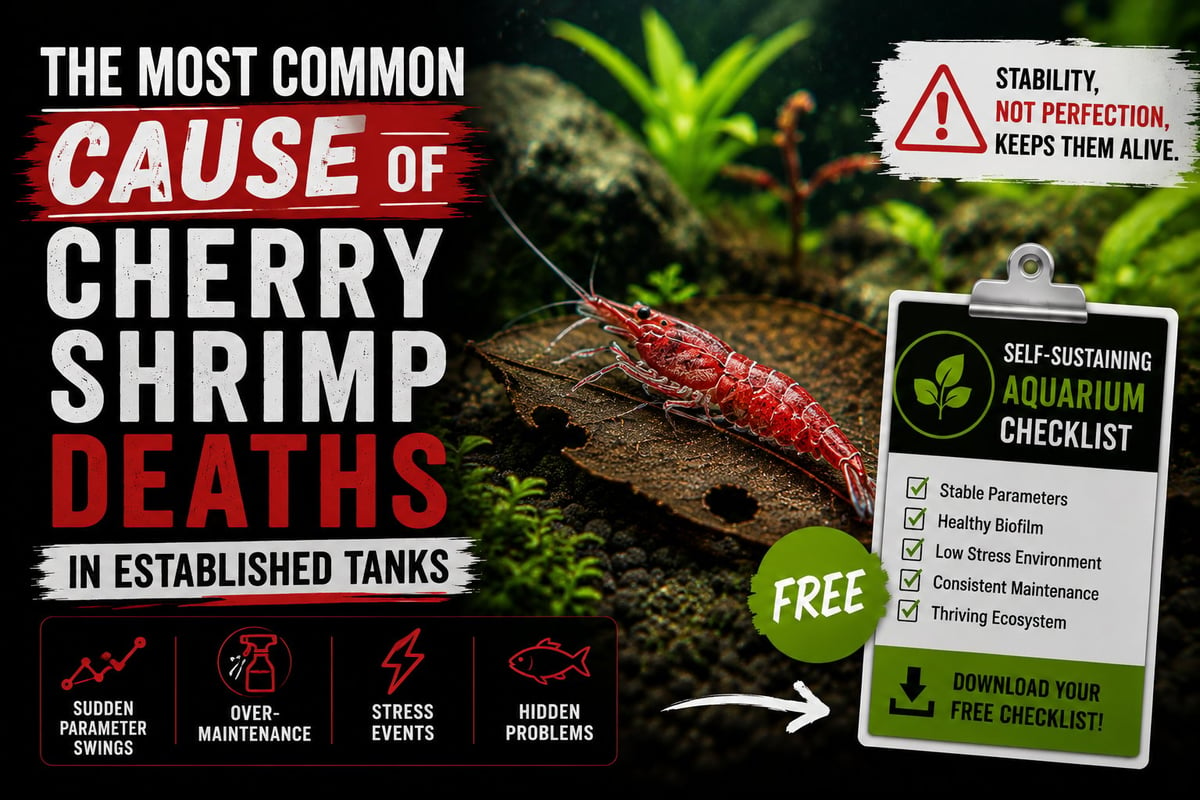
Breeding shrimp? Make sure your tank is set up for long-term success — grab the free stability checklist →

3

Your Colony Is Becoming Established

One thing many shrimp keepers notice is that newer colonies often go through periods of adjustment.

As shrimp settle into their new environment, you may observe:

  • More activity
  • More exploration
  • More visible molts

A shrimp colony that is becoming comfortable may simply become more active and easier to observe. Sometimes it feels like molting has suddenly increased when you're simply noticing it more.

4

You Recently Made Changes to the Aquarium

Shrimp love stability. When something changes, their behavior sometimes changes too.

Examples include:

  • Large water changes
  • Rearranging decorations
  • Deep cleaning
  • Moving shrimp to another tank
  • Changing routines

Sometimes these changes are followed by increased molting activity. This doesn't automatically mean something is wrong — it simply means the shrimp are responding to changes in their environment.

Signs This May Be the Cause

  • Molting increased after maintenance
  • The tank recently changed
  • Shrimp behavior is different
  • Activity suddenly increased
5

Your Aquarium Is Becoming More Mature

Mature aquariums often provide:

  • Rich biofilm
  • Natural food sources
  • More stability
  • Better biological diversity

Healthy ecosystems can support healthy shrimp growth.

Want a mature, low-maintenance tank? Download our free stability checklist →

As colonies become more comfortable, you may notice:

  • More breeding
  • More juvenile shrimp
  • More molts

In some cases, increased molting is simply a sign that the colony is thriving. This is one reason mature self-sustaining aquariums often seem to produce healthier shrimp populations.

6

You're Seeing Old Molts All at Once

This one sounds simple, but it happens surprisingly often.

Molts can hide in:

  • Moss
  • Plants
  • Decorations
  • Hardscape
  • Leaf litter

Then during maintenance, you suddenly discover several molts at once. It can feel like every shrimp in the aquarium molted overnight.

In reality, the molts may have accumulated over several days or weeks. Many beginners accidentally overestimate how often their shrimp are molting.

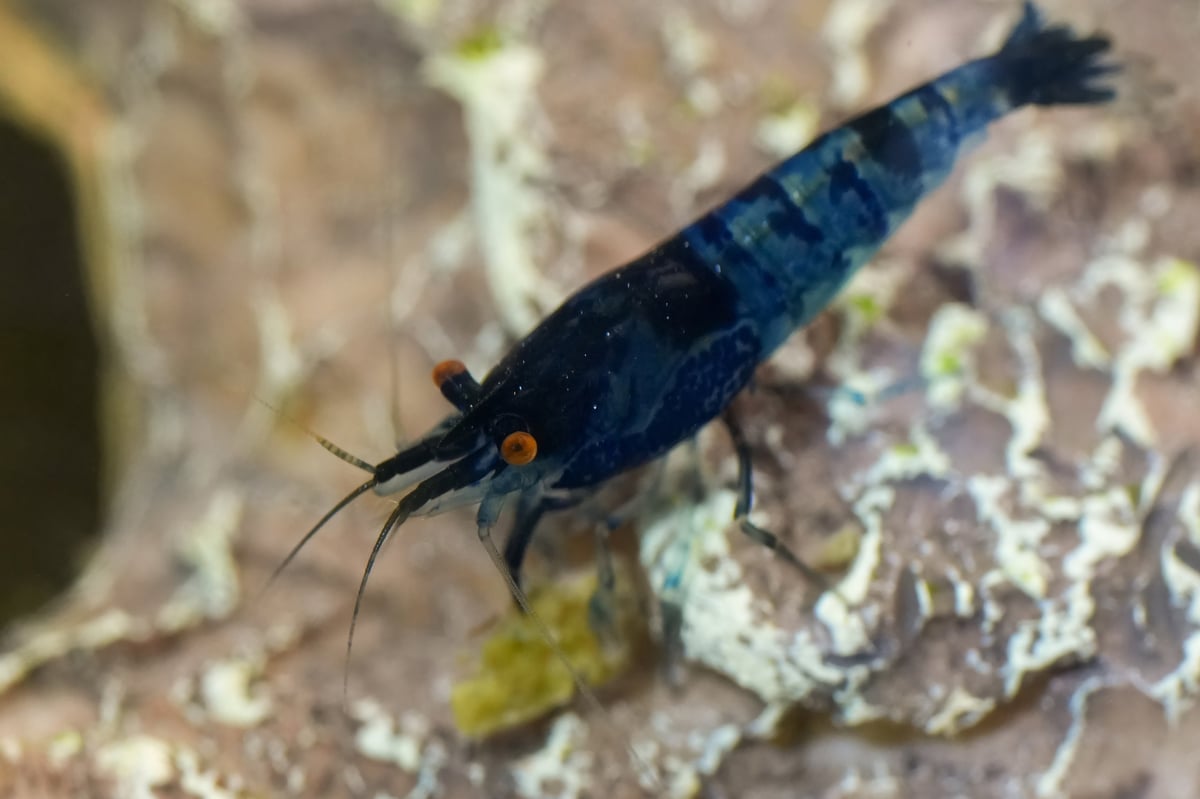
Blue Neocaridina sakura shrimp in a natural freshwater environment with aquatic plants and moss where shed molts from cherry shrimp can easily hide before being discovered during maintenance

Dense plants and moss are common hiding spots for shed molts. A single maintenance session can uncover molts that accumulated over multiple days.

7

You're Paying More Attention

This may sound funny, but once you learn what a molt looks like, you start seeing them everywhere.

At first, most beginners think: "I never see molts."

Then a few weeks later: "Why are there shells everywhere?"

The truth is that you simply become better at spotting them. Many shrimp tanks have regular molting activity that goes unnoticed.

!

When Should You Worry About Molting?

Most molting is completely normal. However, it's worth paying attention if:

Usually Normal

  • Occasional molts
  • Juveniles molting often
  • Females molting before breeding
  • Increased molts in thriving colonies
  • Finding empty shells

Worth Investigating

  • ⚠️ Multiple unusual behaviors together
  • ⚠️ Shrimp seem stressed
  • ⚠️ Behavior changes suddenly
  • ⚠️ The colony appears unhealthy

Molting alone usually isn't an emergency. In many cases, it's simply part of being a shrimp.

Not a Reason to Panic

One of the biggest mistakes beginners make is removing every molt immediately.

Molts are often just part of the aquarium's natural processes. Healthy shrimp colonies molt. Healthy shrimp grow. Healthy shrimp reproduce.

Finding molts is usually a sign that your shrimp are simply doing shrimp things.

+

Why Stable Aquariums Often Have Healthy Molting Cycles

One thing experienced shrimp keepers notice is that stable, mature ecosystems often produce more predictable shrimp behavior.

Healthy aquariums frequently provide:

  • Consistent conditions
  • Natural food sources
  • Rich biofilm
  • Long-term stability

As ecosystems mature, shrimp often become more comfortable.

This can lead to:

  • More breeding
  • More growth
  • More baby shrimp
  • More molts

In other words, sometimes seeing more molts is actually a sign that your aquarium is moving in the right direction.

Ready to build a mature ecosystem? Discover how self-sustaining tanks create the perfect environment for healthy shrimp.

Self-Sustaining Aquariums Explained

The Biggest Mistake Beginners Make

The moment they find multiple molts, many hobbyists immediately assume disaster.

Then they start:

  • Buying products
  • Changing routines
  • Rearranging the aquarium
  • Chasing solutions

Ironically, these sudden changes can create more instability.

Instead, ask yourself:

  • Are my shrimp active?
  • Are they eating?
  • Are babies present?
  • Is the colony growing?

Most of the time, the answer is reassuring.

Don't Panic

If your cherry shrimp keep molting, it doesn't automatically mean something is wrong. In many cases, your shrimp are simply growing, breeding, becoming comfortable, living in a mature ecosystem, or acting like healthy shrimp. Molting is one of the most natural things shrimp do. The goal isn't to stop it — the goal is to understand it.

Over time, you'll start recognizing what normal molting looks like in your aquarium. And honestly, that's one of the fun parts of keeping cherry shrimp.

Download Free Stability Checklist

Frequently Asked Questions

Common questions about cherry shrimp molting behavior

How often do cherry shrimp molt?

How can I tell a molt from a dead shrimp?

Should I remove molts from the tank?

Why do shrimp hide after molting?

What does a healthy molt look like?

What water parameters support healthy molting?